
Top 10 Web Scraping API Platforms in 2026 (Tested & Ranked)
Take a Quick Look
Compare the top 10 web scraping APIs for success rate, speed, pricing, and anti-bot bypass. See which platform fits your data extraction needs in 2026.
🔥 Limited-Time Offer! Save extra 10% off on your first monthly plan with code: Anitdetect10
Sign upTop 10 Web Scraping API Platforms in 2026 (Tested & Ranked)
Web scraping has never been more critical—or more difficult. With AI training, SEO monitoring, e‑commerce price tracking, and real‑time market intelligence all demanding fresh structured data, the right scraping API separates projects that scale from those that stall. Modern websites deploy aggressive anti‑bot defenses, JavaScript‑heavy renders, and IP‑based blocking that break DIY scripts within minutes.
This guide ranks the top 10 web scraping API platforms that solve the hard part: delivering clean, parseable data from any website without you having to manage proxies, browsers, or CAPTCHAs. We’ve synthesized independent benchmarks, public success‑rate data, pricing models, and real‑world developer feedback to rank providers by overall reliability, feature depth, and value.
What Is a Web Scraping API Platform?
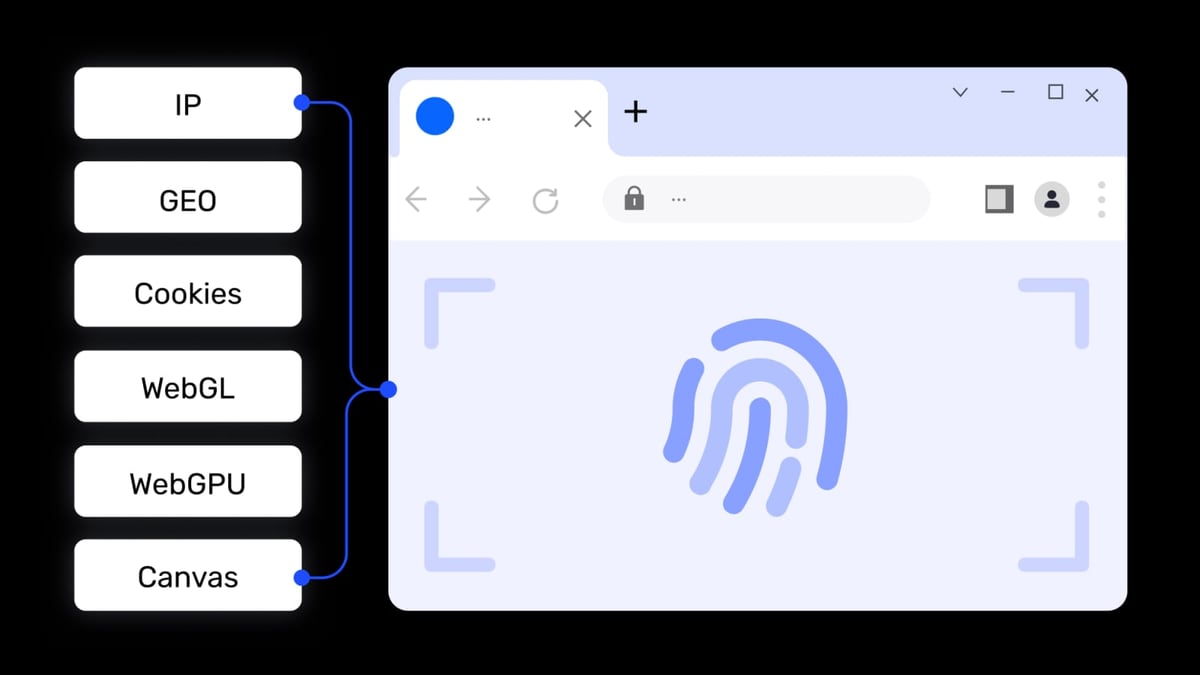
Top 10 Web Scraping API Platforms in 2026 (Tested & Ranked) product interface and feature overview.
A web scraping API is a hosted service that abstracts the entire data‑retrieval pipeline. You send a URL; it returns structured HTML, JSON, or CSV. Everything in between—proxy rotation, JavaScript rendering, CAPTCHA solving, fingerprint evasion, retry logic—is handled automatically. This is different from a proxy (which only masks your IP) or a browser automation library (which gives you a headless browser but leaves anti‑bot challenges up to you).
The platforms below represent the access layer of a modern scraping stack, often paired with parsers like BeautifulSoup or orchestration frameworks like Scrapy. We focused exclusively on true web scraping APIs, not no‑code desktop tools or anti‑detect browsers (though we’ll briefly address when you might need the latter).
How We Evaluated These Platforms
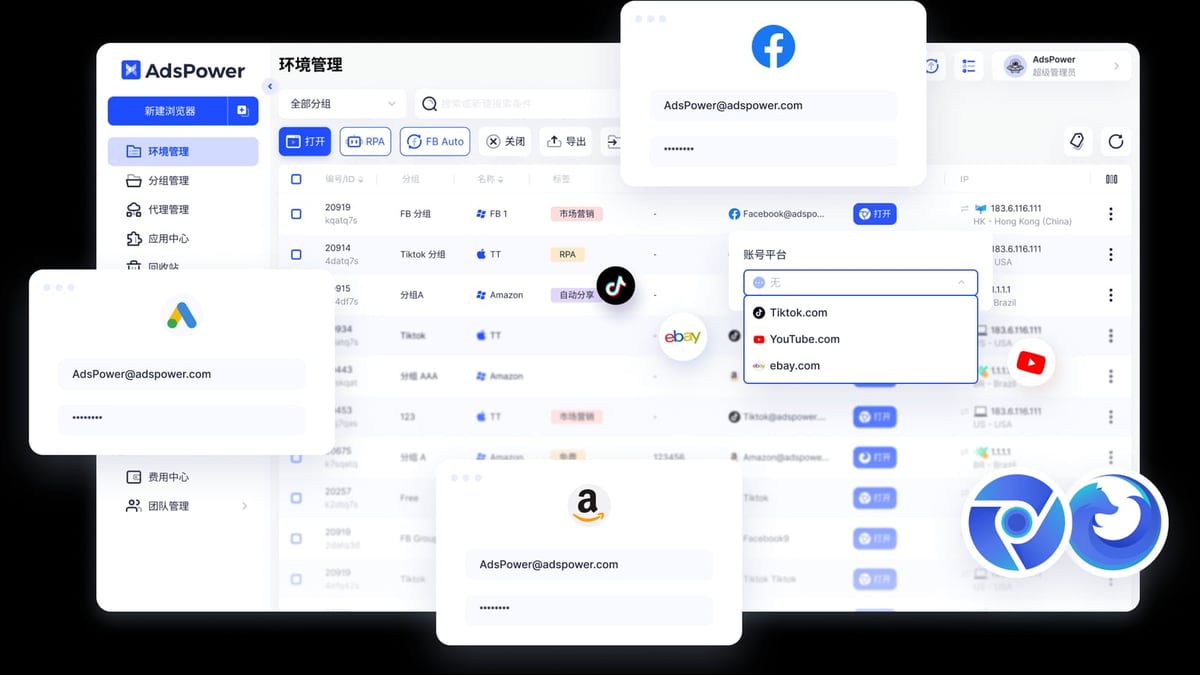
Top 10 Web Scraping API Platforms in 2026 (Tested & Ranked) product interface and feature overview.
Our ranking is built on transparent, data‑driven criteria:
- Success rate on protected sites: Third‑party benchmarks from Scrape.do (11 providers against Amazon, Indeed, Zillow, Capterra, Google, and X/Twitter) and Proxyway’s Web Scraping API Report 2025 (15 heavily defended domains). High success means real content, not a challenge page.
- Proxy network size & geo‑coverage: The IP pool determines throughput and geographic targeting precision.
- Anti‑bot bypass capability: How well the API handles Cloudflare, DataDome, PerimeterX, and other WAFs.
- JavaScript rendering & browser automation: Headless rendering quality, session management, and screenshot support.
- Pre‑built scrapers & structured extraction: Availability of domain‑specific scrapers (e‑commerce, social media, search engines) and AI‑powered parsing.
- Pricing model and transparency: Pay‑per‑success, credit systems, flat rates, and hidden costs.
- Compliance & certifications: GDPR, SOC 2, ISO 27001—essential for enterprise buyers.
- Developer experience: API design, documentation quality, SDKs, and support.
Now, let’s dive into the top 10 web scraping API platforms for 2026.
The Top 10 Web Scraping API Platforms in 2026
Top 10 Web Scraping API Platforms in 2026 (Tested & Ranked) product interface and feature overview.
1. Bright Data – Best Overall Web Scraping API
When every failed scrape costs time and engineering effort, Bright Data’s reliability is in a league of its own. Independent benchmarks show why.
Evidence: In Scrape.do’s 11‑provider test, Bright Data achieved a 98.44% average success rate—the highest recorded—and hit 100% on Indeed, Zillow, Capterra, and Google. Response times averaged 2.1s on Zillow and 2.7s on Indeed.
Beyond raw performance, Bright Data’s product depth is unmatched:
- 400M+ residential IPs across 195 countries, the largest proxy network in the industry.
- 437+ pre‑built scrapers that return structured data from Amazon, LinkedIn, TikTok, Zillow, and 100+ other domains out of the box.
- Pay only for successfully delivered results; failed requests are never billed.
- 99.99% uptime SLA and full GDPR, CCPA, ISO 27001, SOC 2 compliance.
Pricing starts at $0.75 per 1,000 requests for standard sites, or $2.50/1,000 for heavily protected ones. It’s not the cheapest choice for scraping low‑protection pages, but for data pipelines where every scrape counts, that premium translates directly to fewer engineering headaches.
Best for: Enterprise‑scale pipelines, AI training data, market intelligence, and teams that prioritize success rate above all.
2. Scrapfly – Best Managed API with Strong Anti‑Bot Bypass
Scrapfly offers a complete suite of scraping APIs that excel at anti‑bot handling, browser automation, and AI extraction, making it a top choice for developers who want full control without building infrastructure.
Evidence: Scrapfly reports a 98% success rate against Cloudflare, DataDome, Akamai, and 17 other anti‑bot vendors, with coverage in 190+ countries. Its ASP unblocker is specifically designed to handle 403/429 errors, challenge pages, and sudden success‑rate drops.
Key strengths:
- Unified API that handles proxies, JavaScript rendering, and anti‑bot bypass in one call.
- Cloud Browser API for remote Playwright/Puppeteer sessions—eliminating local browser setup.
- AI Extraction API that outputs structured JSON via CSS/XPath templates, LLM prompts, or auto‑detection.
- Credit‑based pricing where only successful extractions consume credits.
Scrapfly’s approach is modular: you can mix the Web Scraping API, ASP Unblocker, and Extraction API with your own parsers (BeautifulSoup, Cheerio) and crawlers (Scrapy). Their GitHub repository of 30+ scraper examples (Amazon, TikTok, Zillow) gives developers a fast start.
Best for: Production pipelines that need dependable anti‑bot bypass, browser automation without DevOps, and flexible extraction modes.
3. Scrape.do – Best for Speed‑Sensitive Workloads
If latency is your primary constraint, Scrape.do’s architecture puts it ahead. The service delivered a 98.19% success rate in the same Scrape.do benchmark, with Google responses coming back in 1.6s and GitHub in 2.6s. Its blended average stayed under 5 seconds, making it ideal for real‑time or high‑frequency use cases.
Scrape.do offers 110M+ IPs across datacenter, residential, and mobile pools, with a clean single‑endpoint design. Advanced options (rendering, geo‑routing, output format) are controlled via simple query parameters. The per‑request cost is predictable and transparent.
Best for: Monitoring dashboards, competitive pricing engines, and any workflow where a 2‑second difference changes the outcome.
4. Oxylabs – Best for Enterprise at Scale
Oxylabs is one of the most trusted names in residential proxies, and their Web Scraping API brings that massive infrastructure to a straightforward API. With 100M+ residential IPs and dedicated SERP, e‑commerce, and real‑estate scrapers, Oxylabs targets high‑volume enterprise data collection.
Evidence: Oxylabs consistently ranks among top performers in proxy‑scale tests, and its Next‑Gen Residential Proxies include AI‑powered adaptive routing. The API supports JavaScript rendering, custom sessions, and automatic retries. Pricing is usage‑based, with dedicated account management for large contracts.
Best for: Corporations that already rely on Oxylabs’ proxy network and want a turnkey API, or any team scraping at massive scale with SLA guarantees.
5. Zyte – Best for AI‑Powered Structured Extraction
Zyte (formerly Scrapinghub) is the enterprise backbone behind many custom data pipelines. Their Spider product combined with Smart Proxy Manager and AI‑based extraction creates a managed service that thrives on complexity.
Evidence: Zyte’s AI‑powered extraction adapts to site changes without brittle selectors, and managed service agreements guarantee uptime and delivery. The company holds deep expertise in web data governance and compliance. However, enterprise pricing (often $1,000‑$5,000+/month) puts it out of reach for smaller teams.
Best for: Large enterprises needing a fully managed, compliant data pipeline with minimal internal maintenance.
6. Scrapingdog – Best All‑in‑One API for SEO & AI Workflows
Scrapingdog is a dedicated web scraping API that stands out for its breadth of specialized endpoints. Instead of a generic API, it provides pre‑built modules for Google SERP (including AI Mode, Maps, Shopping, News), Google Maps, social media (TikTok, X, YouTube, LinkedIn), e‑commerce (Amazon, Walmart, eBay), and even a ChatGPT scraper. This makes it a Swiss Army knife for SEO professionals, local SEO tool builders, and AI companies.
Evidence: The platform serves over 1,000 developers with a 4.8 rating. It includes a free tier (200 credits/month) and scales across 27 plans. Failed requests are never charged, and features like a Google Sheets add‑on let non‑coders extract data without writing a single line of code. JavaScript rendering, premium residential proxies, geotargeting, and CAPTCHA bypass are baked in.
Best for: SEO position tracking, local SEO audits, AI model training, social media monitoring, and price monitoring—especially when you need many different data sources handled by a single platform with a gentle learning curve.
7. ScrapingBee – Best for Point‑and‑Shoot Simplicity
ScrapingBee appeals to developers who just want a URL returned as clean HTML or rendered page, with minimal configuration. It handles JavaScript rendering, proxies (including residential), and anti‑bot measures automatically.
Evidence: The API is dead simple to integrate—ideal for small projects or rapid prototyping. It performs well on moderately protected sites. Pricing is credit‑based, competitive for low‑volume use, but can become expensive at high scale compared to flat‑rate alternatives.
Best for: Early‑stage startups, side projects, and teams that value speed of integration over complex feature sets.
8. ScraperAPI – Best for Budget‑Friendly, Unprotected Sites
For scraping pages that don’t put up heavy anti‑bot resistance, ScraperAPI offers an easy, cost‑effective entry point. It includes IP geotargeting, CAPTCHA handling, and a basic render mode.
Evidence: It struggles against advanced WAFs like Cloudflare, but on standard e‑commerce and content sites it delivers decent success rates. The per‑request pricing is among the lowest—making it attractive for high‑volume, low‑security scraping. No‑code integrations (Airtable, Google Sheets, Zapier) widen the user base.
Best for: Budget‑constrained teams scraping unprotected data sources, internal tooling, and light monitoring.
9. ZenRows – Best for Moderate‑Protection Workloads
ZenRows positions itself between simple APIs and full‑blown enterprise solutions. It supports automatic proxy rotation, JavaScript rendering, and CAPTCHA solving, with built‑in anti‑bot bypass that handles medium‑complexity sites well.
Evidence: In Proxyway’s 2025 report, ZenRows achieved competitive unblocking rates on several protected domains, though not at the top tier. It offers a generous free plan (1,000 credits/month) and flexible pricing. The documentation is clear and developer‑friendly.
Best for: Mid‑market businesses scraping sites with moderate protection, who need a reliable API without enterprise price tags.
10. Decodo (by Smartproxy) – Best Value for the Mid‑Market
Decodo is Smartproxy’s web scraping API, designed to deliver flat‑rate, predictable pricing for customers who find metered models unpredictable. It bundles a residential proxy pool, JavaScript rendering, and session management into a single plan.
Evidence: Smartproxy’s network is well‑regarded, and Decodo’s pricing strikes a balance between affordability and performance. It’s suitable for medium‑volume scraping of e‑commerce listings and social media data. Response times are not class‑leading, but the cost‑to‑utility ratio is compelling for steady workloads.
Best for: Growing businesses that want a set monthly fee and don’t need to scrape the internet’s most defended domains.
When APIs Alone Are Not Enough: Complementary Tools
Top 10 Web Scraping API Platforms in 2026 (Tested & Ranked) product interface and feature overview.
While web scraping APIs handle the heavy lifting, some workflows demand browser automation with persistent sessions, multi‑account management, or custom interaction flows that go beyond what a standard API can do. In those cases, pairing a scraping API with an anti‑detect browser creates a hardened setup.
AdsPower, for example, is not a web scraping API but a professional anti‑detect fingerprint browser that isolates browser environments with unique digital fingerprints. It’s used by social media managers, affiliate marketers, and cross‑border e‑commerce sellers to run multiple accounts securely. For advanced scraping tasks that require real‑browser interaction—such as scraping platforms that flag server‑side headless requests—integrating a scraping API with AdsPower can provide the fingerprint diversity and session isolation needed to avoid blocks.
If you need to combine proxies with a browser environment for hands‑on scraping, learn how to use AdsPower fingerprint browser with Webshare proxies. Similarly, if you’re building custom headless scrapers, check our Puppeteer review for insights on browser automation.
How to Choose the Right Web Scraping API
Selecting the best API depends on three factors:
- Target site difficulty: If you scrape Amazon, LinkedIn, or Instagram, invest in a platform with proven high success rates (Bright Data, Scrapfly). For simpler sites, ScraperAPI or ZenRows may suffice.
- Volume and pricing model: Pay‑per‑success models save money when failure rates are high. Flat‑rate plans (Decodo) work well for steady, predictable volumes.
- Specialized data needs: If you need SERPs, local maps, or social media data out‑of‑the‑box, a multi‑API tool like Scrapingdog or Bright Data’s pre‑built scrapers cuts development time.
For teams that need both a managed API and in‑house parsing, Scrapfly’s modular approach shines. Enterprises with compliance and support requirements should evaluate Bright Data, Oxylabs, or Zyte.
Related reading
- AdsPower vs MoreLogin vs MuLogin: Anti-Detect Browser Showdown - AdsPower vs MoreLogin vs MuLogin in-depth comparison: fingerprint isolation, Cloud Phone, RPA automation, pricing, and team collaboration. Find which anti-detection browser fits your multi-account strategy.
- Maskfog Fingerprint Browser Review 2026: Worth It for Multi-Accounts? - In-depth Maskfog review covering anti-detect browser features, pricing, setup, and real-world use cases. Find out if this cross‑border e‑commerce tool fits your workflow.
- GoLogin Review 2026: Anti-Detect Browser Tested & Rated - In-depth GoLogin review: features, pricing, fingerprinting, pros/cons, and real user feedback. See if this anti-detect browser fits your multi-account workflow.
Sources and further reading
- The 9 Best Web Scraping APIs & Tools in 2026 - We tested 9 web scraping APIs and tools using real benchmark data. See which providers deliver the highest success rate, best pricing, and best bot bypass in 2026.
- 11 Best Web Scraping APIs and Tools in 2026 - Compare the best web scraping APIs, parsers, browser tools, and crawlers for production scraping. See where Scrapfly, BeautifulSoup, Playwright, Scrapy, and more fit in the stack.
- Top 10 Web Scraping Tools in 2026 — And When None of Them Are Enough - Honest review of the 10 most popular web scraping tools in 2026 — real pros, real cons, pricing, and when off-the-shelf tools fail, and you need a custom scraper.
Frequently Asked Questions
What’s the difference between a web scraping API and a proxy?
A proxy only routes your traffic through a different IP. You still need to handle JavaScript rendering, CAPTCHAs, and anti‑bot logic. A scraping API does all of that and returns clean data—it’s the entire stack in one call.
Which scraping API is best for e‑commerce price monitoring?
Bright Data and Scrapingdog offer pre‑built scrapers for Amazon, Walmart, and eBay. ScrapingBee and ScraperAPI work for simpler price checks, but success rates on heavily protected product pages favor Bright Data.
Can I use a free plan for production scraping?
Most free plans are limited to 200‑1,000 requests per month. They’re fine for testing, but not for production. Scrapingdog and ZenRows offer gentle on‑ramps, while Bright Data has no free tier but doesn’t charge for failures.
Do these APIs handle CAPTCHAs automatically?
Yes, all ranked platforms include automatic CAPTCHA solving—though the effectiveness varies by target site. Bright Data and Scrapfly have the strongest anti‑CAPTCHA mechanisms.
Is it legal to use a web scraping API?
Scraping publicly accessible data is generally legal, but you must respect terms of service, robots.txt, and data privacy regulations. Always choose providers that offer compliance certifications and transparent data sourcing.
Conclusion
The web scraping API market in 2026 offers more choice—and more complexity—than ever. For most organizations, Bright Data remains the gold standard thanks to its independently verified 98.44% success rate and unrivaled infrastructure. Scrapfly provides a powerful, developer‑friendly suite with elite anti‑bot bypass, while Scrape.do wins on speed. Scrapingdog fills the gap for SEO and AI specialists needing a wide array of dedicated endpoints in one affordable package.
At AdsPower, we regularly revisit our scraping toolkit recommendations based on new benchmarks and real‑world testing. Bookmark this page for updates, and explore our related guides to build a complete, resilient data pipeline.
Last updated: June 2026.