
What Is Data Scraping? Complete Guide with Tools & Protection
Take a Quick Look
Learn what data scraping is, how it works, common techniques, legitimate uses, risks, and how to protect your data. See how AdsPower simplifies large-scale scraping.
🔥 Limited-Time Offer! Save extra 10% off on your first monthly plan with code: Anitdetect10
Sign upWhat Is Data Scraping? Complete Guide with Tools & Protection
Data scraping—often called web scraping—is the automated process of extracting information from websites and turning it into a structured, human-readable format like a spreadsheet or database. Whether you‘re a marketer gathering competitor prices, a journalist analyzing public records, or a developer building a product catalog, data scraping saves thousands of hours of manual copying and pasting. At AdsPower, we break down everything you need to know about this powerful technique, including how to do it responsibly and how modern anti-detect browsers like AdsPower help you scale without getting blocked.
What Is Data Scraping? Definition and Key Concepts
What Is Data Scraping? Complete Guide with Tools & Protection product interface and feature overview.
Data scraping is the use of software to pull content from web pages automatically. Instead of clicking through page after page, a scraper sends HTTP requests, reads the response, and extracts specific data points—text, images, prices, emails—into a structured form. There are three main flavors:
- Report mining: Pulls data directly into user-friendly reports, almost like printing a page but into a custom layout.
- Screen scraping: Extracts data from legacy system displays so that old applications can talk to modern interfaces.
- Web scraping: The most common type, where a tool crawls websites and extracts target data into spreadsheets, JSON, or databases.
People often confuse data scraping with web crawling. A crawler (like Googlebot) navigates the entire web, following links and indexing page content primarily by reading code. A scraper, by contrast, ignores most code and focuses on visible data you want—prices, headlines, contact details—even ignoring robots.txt requests in some cases. That effectiveness also makes scraping a frequent subject of misuse.
How Does Data Scraping Work?
What Is Data Scraping? Complete Guide with Tools & Protection product interface and feature overview.
Most modern web scrapers follow a simple three-step loop:
- Request: The scraper sends an HTTP GET request to the target URL, just like a browser would.
- Parse: The response HTML is parsed—either through the DOM tree (Document Object Model), XPath, or regular expressions—to locate the exact data you identified.
- Extract and store: The parsed data flows into a CSV, JSON, database, or cloud sheet for analysis.
For dynamic pages that load content via JavaScript, scrapers may embed a headless browser (like Puppeteer or Playwright) to render the page fully before extraction. This approach makes the scraper indistinguishable from a normal visitor—as long as the browser fingerprint doesn‘t give it away.
Common Data Scraping Techniques and Tools
What Is Data Scraping? Complete Guide with Tools & Protection product interface and feature overview.
Scrapers come in all shapes, from one-click browser extensions to custom Python scripts. The main techniques include:
- HTML parsing: Using a library like BeautifulSoup (Python) to parse static HTML and extract links, tables, or text.
- DOM parsing: Navigating the live DOM tree with JavaScript in a browser console or via tools like Cheerio.
- XPath / CSS selectors: Precise node selection languages that let scrapers pinpoint elements even when the page structure changes.
- Vertical aggregation platforms: Cloud-based bots that target specific industries—think travel fare aggregators or job board harvesters—with minimal human intervention.
- Google Sheets: The
IMPORTXML,IMPORTHTML, andREGEXEXTRACTfunctions let anyone scrape data from a URL directly into a spreadsheet without coding.
Dedicated tools like Scrapingdog (a fully managed API), browser extensions like Data Scraper or Data Miner, and automation frameworks like Selenium, Puppeteer, and Playwright give developers total control. For a head‑to‑head comparison of the leading libraries, see our Top 10 Browser Automation Libraries in 2026 guide.
Legitimate Uses of Data Scraping
What Is Data Scraping? Complete Guide with Tools & Protection product interface and feature overview.
When used ethically, data scraping fuels entire industries. Common legitimate use cases:
- Market research & competitive analysis: Tracking competitor pricing, product catalogs, and customer sentiment from public pages.
- Lead generation: Compiling publicly available business contact data for sales outreach.
- E‑commerce & affiliate marketing: Feeding product feeds to Google Shopping or aggregating offers from multiple stores.
- Academic & journalistic projects: Collecting public datasets for analysis; e.g., BuzzFeed’s famous comparison of every State of the Union address relied on scraped transcripts.
- Financial & real‑estate monitoring: Aggregating stock tickers, property listings, or economic indicators.
All these activities assume the scraper respects the source’s terms of service, rate limits, and privacy regulations like GDPR or CCPA.
Data Scraping Risks and Ethical Concerns
Bad actors abuse the same technology to:
- Harvest email addresses and personal data for spam or phishing attacks.
- Steal copyrighted content and republish it without permission.
- Perform credential stuffing or social engineering using scraped employee details.
- Undermine business models by systematically undercutting prices or overloading servers.
High‑profile cases, like Facebook suing companies in 2020 for scraping user data via malicious extensions, show how scraping can cross from tool to weapon. Legality also varies: some jurisdictions forbid automated email harvesting entirely, and scraping behind a login wall almost always violates the Computer Fraud and Abuse Act in the U.S.
How to Protect Your Data from Scraping
Because any data visible to a user is also visible to a scraper, no defence is perfect. However, these four layers significantly raise the bar:
- Rate limiting: Throttle requests from a single IP address so no one can scrape your entire site in seconds. Modern tools like Imperva offer advanced bot protection to enforce such limits dynamically.
- CAPTCHA challenges: Force high‑volume visitors to prove they are human. While not foolproof, CAPTCHAs disrupt automated workflows.
- Frequent HTML markup changes: Randomise CSS classes, nest elements, or alter DOM structure on each render. A scraper that relies on fixed selectors will break.
- Embed sensitive data in images: Prices, phone numbers, and email addresses rendered as images require OCR to extract, adding friction without harming genuine user experience.
For enterprise‑grade protection, solutions like Imperva’s Advanced Bot Protection combine machine learning, behavioural analysis, and challenge‑response mechanisms to block scrapers before they connect.
Scraping at Scale: Managing Fingerprints and Proxies
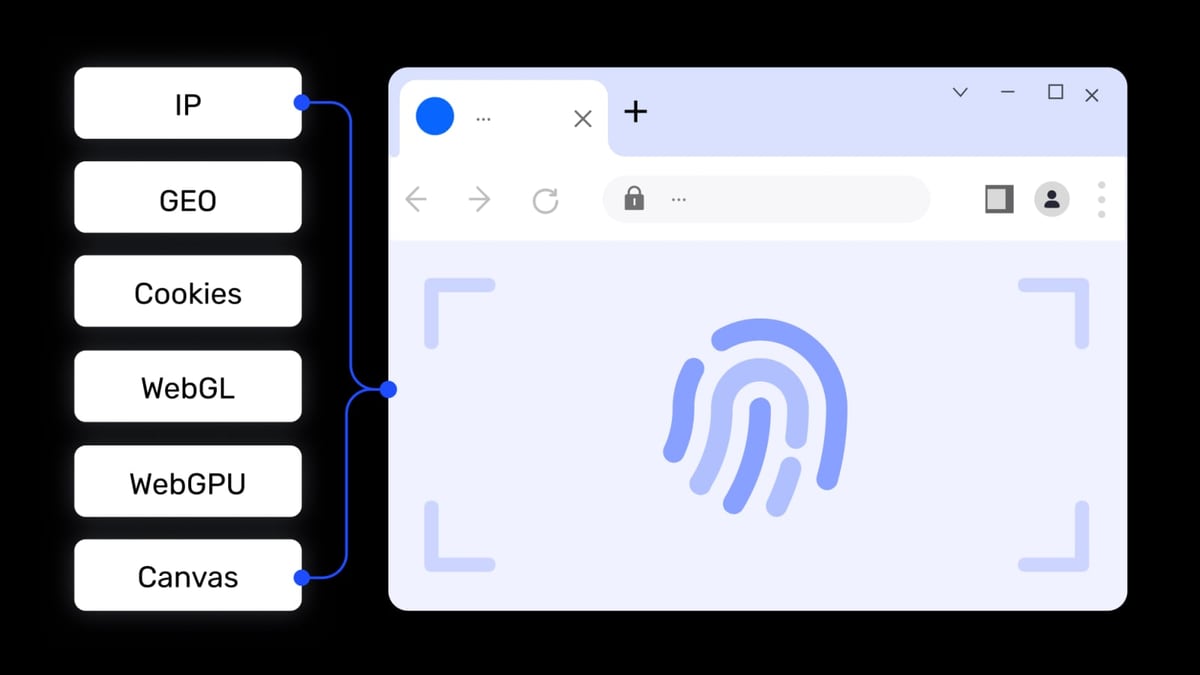
When you move beyond a single spreadsheet pull and start scraping at scale, you quickly hit a wall: websites actively fingerprint your browser to detect automation. They check Canvas hashes, WebGL renderer strings, audio processing, and even your font list. If a hundred requests all come from the same fingerprint, the IP gets blocked—or worse, the target introduces a sticky ban.
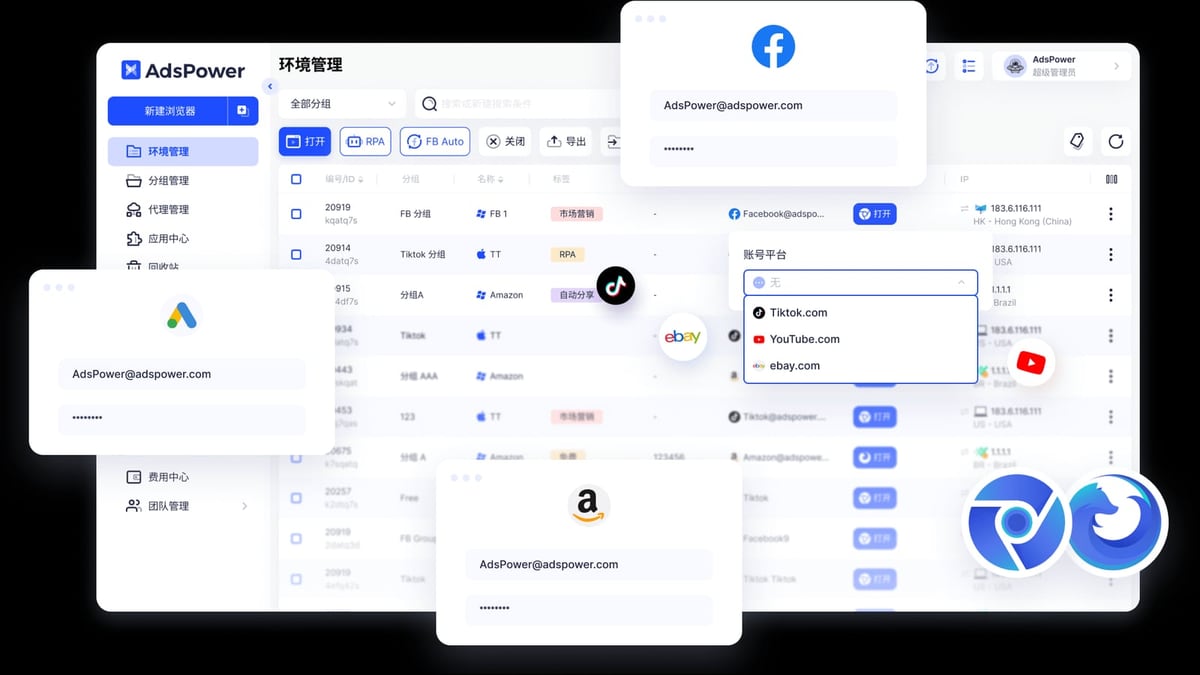
That’s where an anti‑detect browser becomes essential. AdsPower is a professional fingerprint browser that creates isolated browser environments, each with a unique, persistent digital identity. You can customise over 20 fingerprint parameters (Canvas, WebGL, AudioContext, WebRTC) so that every scraper profile looks like a distinct real user on a different device. For data scraping teams, AdsPower offers:
- Multiple browser kernels: Chromium-based SunBrowser and Firefox-based FlowerBrowser to mimic diverse client environments.
- Proxy integration: Native support for HTTP, HTTPS, SOCKS5, and SSH proxies with global IP coverage, letting you pair each browser profile with a residential or datacenter IP.
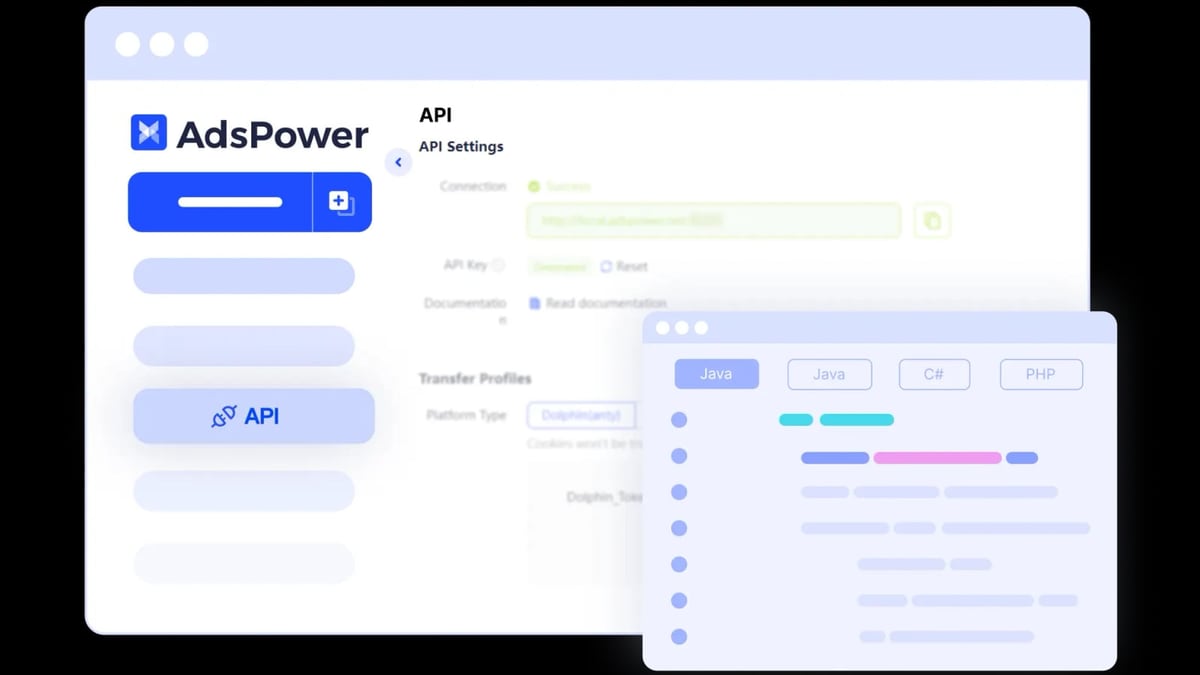
- Automation APIs: A local API compatible with Selenium, Puppeteer, Playwright, and even the MCP protocol for AI‑agent workflows. You can drive the browser environments programmatically while keeping fingerprints consistent.
- RPA templates: Built‑in, no‑code robots that automate repetitive scraping operations without writing a script.
By combining AdsPower with a reliable proxy network, you reduce the risk of detection to near zero. For a detailed comparison of anti‑detect browsers, read our AdsPower vs RoxyBrowser vs Kameleo comparison.
Related reading
- Scrapingdog Review: Reliable Web Scraping API for Developers? - In-depth Scrapingdog review covering speed tests, pricing, dedicated APIs, setup, and ideal use cases for SEO, e-commerce, and AI teams.
Sources and further reading
- [ELI5] What is data scraping and why is it bad? - Web results[ELI5] What is data scraping and why is it bad?Reddit · r/explainlikeimfive9 comments · 3 years agoReddit · r/explainlikeimfive9 comments · 3 years agoData scraping is simply finding data - no matter what it is - out on the internet intended for human consumption, but having a bot (ie. so
- What Is Data Scraping? Definition & Usage - Data scraping involves pulling information out of a website and into a spreadsheet. To a dedicated data scraper, the method is an efficient way to grab a great deal of information for analysis, processing, or presentation.
- What Is Data Scraping | Techniques, Tools & Mitigation | Imperva - Data scraping uses a software code to extract data from websites. Data scraper software can be used both legitimately and illegally.
Frequently Asked Questions
Is data scraping legal?
Generally, scraping publicly accessible data that does not require a login is legal in many countries, provided you respect copyright, terms of service, and data protection laws. Always consult a legal professional for your specific use case.
What’s the difference between web scraping and data scraping?
Web scraping is a subset of data scraping that focuses exclusively on websites. Data scraping can also involve legacy system screens, PDFs, or other digital sources.
Can I scrape a website without coding?
Yes. Browser extensions like Data Miner and built‑in Google Sheets functions (IMPORTXML) let non‑programmers extract data easily. For advanced needs, no‑code platforms and RPA tools inside AdsPower simplify the process.
How do I avoid getting blocked while scraping?
Rotate IPs using proxies, space out requests, randomise user‑agent strings, and use an anti‑detect browser like AdsPower to maintain unique fingerprints. Also, respect robots.txt and implement polite delays.
What are the best proxies for data scraping?
Residential and ISP proxies offer the highest trust. For multi‑accounting and scraping use cases, check our Proxy-Seller review for an honest look at real‑world performance.
Conclusion: Data Scraping Done Right
Data scraping is a double‑edged sword. In the right hands, it powers research, automation, and competitive intelligence. In the wrong ones, it invades privacy and steals content. The key is to use the right tools, respect boundaries, and protect your own assets from abuse. Whether you’re just starting with Google Sheets or engineering a high‑volume scraping pipeline, understanding the core techniques—and the fingerprint‑level defences against detection—is essential. For more in‑depth comparisons, reviews, and automation strategies, explore the resources here on AdsPower.