
Top 10 Proxy & Web Scraping Infrastructure Products 2026
Take a Quick Look
Independent ranking of the top proxy and web scraping infrastructure products in 2026, comparing success rates, proxy types, pricing, and features to help you choose the right stack.
🔥 Limited-Time Offer! Save extra 10% off on your first monthly plan with code: Anitdetect10
Sign upTop 10 Proxy & Web Scraping Infrastructure Products in 2026
The line between raw proxies and full-stack web scraping platforms has blurred. In 2026, a shaky proxy decision can crater a data pipeline faster than a bot detection algorithm can ban an IP. You need infrastructure that delivers reliable access, not just a list of endpoint addresses.
We ranked the top 10 proxy and web scraping infrastructure products this year using a methodology anchored in independent benchmarks—not vendor marketing. Our evaluation dissects success rates on heavily protected domains, proxy pool purity, speed, pricing models, and compliance certifications. Whether you’re scraping e‑commerce prices, verifying ads, or collecting AI training data, this list will help you match your project to the right backbone.
How We Evaluated These Products
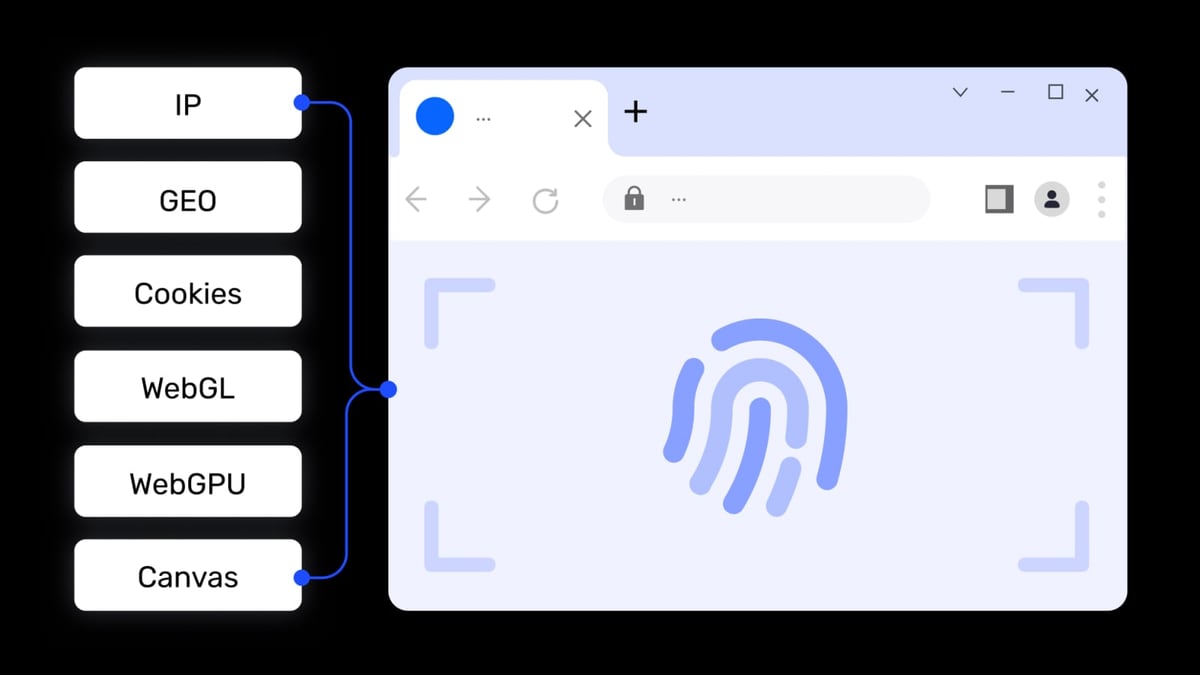
Top 10 Proxy & Web Scraping Infrastructure Products 2026 product interface and feature overview.
Every provider claims “99% success” or “millions of IPs.” That’s noise. Our ranking synthesizes data from two third‑party benchmarks and hands‑on configuration audits:
- Scrape.do’s 11‑provider benchmark (Amazon, Indeed, Zillow, Google, GitHub, Capterra, X/Twitter) – success measured by validated HTML, not just a 200 status.
- Proxyway’s Web Scraping API Report 2025 – unblocking rates on 15 heavily guarded sites (Shein, G2, Hyatt, Instagram, Walmart).
We scored each product on eight dimensions: success rate, IP pool size and diversity, JavaScript rendering, anti‑bot bypass, pre‑built scrapers or templating, pricing transparency, compliance posture, and quality of support. Only solutions that function as core proxy or scraping infrastructure—raw proxy gateways, scraping APIs that abstract proxy management, and hybrid platforms—qualified. Adjacent tools like anti‑detect browsers sit outside the ranked list but are noted where they complement a scraping stack.
Top 10 Proxy & Web Scraping Infrastructure Products, Ranked
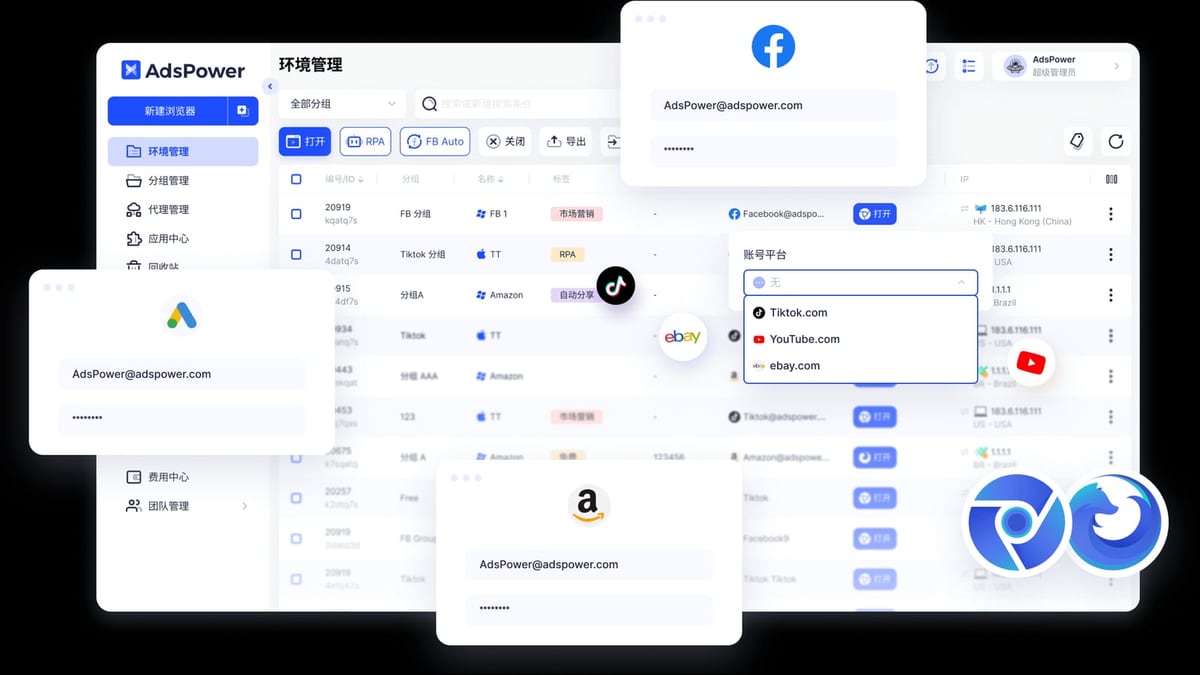
Top 10 Proxy & Web Scraping Infrastructure Products 2026 product interface and feature overview.
1. Bright Data – Best Overall Proxy & Scraping Infrastructure
Bright Data isn’t just the largest proxy network; it’s an end‑to‑end data infrastructure platform. The Web Scraping API handles proxy rotation, headless browsing, CAPTCHA solving, and structured data output in a single call, while the raw proxy layer spans 400M+ residential IPs across 195 countries.
Why it’s #1: In the Scrape.do benchmark, Bright Data delivered a 98.44% average success rate—hitting 100% on four of seven target domains and returning Zillow responses in just 2.1 seconds. No other provider matched that combination of dependability and coverage.
Key evidence:
- 437+ pre‑built scrapers (Amazon, LinkedIn, TikTok, Zillow, etc.) that deliver structured JSON without custom code.
- Pay‑only‑for‑success pricing (from $0.75/1K requests) means failed attempts don’t drain budgets.
- 99.99% uptime SLA, ISO 27001, SOC 2, and GDPR/CCPA compliance.
- 20,000+ customers including Fortune 500s and AI labs; $300M ARR as of late 2025.
Best for: Enterprise‑grade pipelines where reliability, compliance, and breadth of coverage are non‑negotiable. If a failed scrape breaks a downstream model, this is your infrastructure.
Pros: Highest independently verified success rate; by far the largest proxy pool; complete managed‑service stack.
Cons: Premium pricing for heavily protected targets ($2.50/1K); overkill for simple public‑data collection.
2. Oxylabs – Best for Enterprise‑Scale, High‑Speed Scraping
Oxylabs consistently competes alongside Bright Data with a 100M+ residential pool and a strong focus on response times. Its Next‑Gen Residential Proxies leverage AI/ML to mimic organic user behavior, reducing bans on platforms like Google, Amazon, and Walmart.
Why it’s #2: The dedicated account managers and technical support function as an extension of your team—critical for large‑volume e‑commerce and travel fare aggregation. The scrape API returns structured data from complex targets, and the proxy rotator handles fingerprinting automatically.
Best for: Organizations that want a premium, hands‑on partnership and can justify the $300+/month entry threshold that keeps pool quality high.
Pros: Massive, clean residential pool; AI‑driven anti‑detection; enterprise support.
Cons: High minimum commitment filters out smaller teams; pricing is opaque until you speak with sales.
3. Smartproxy – Best Value for Mid‑Market and Developer Teams
Smartproxy bridges the gap between raw affordability and enterprise polish. Its 55M+ residential IPs average <0.6s response times, and the dashboard is among the most intuitive in the industry. A pay‑as‑you‑go option at $7/GB sidesteps long‑term contracts.
Why it’s #3: The scraping API adds headless browser rendering and automatic proxy selection without a steep learning curve, making it ideal for agile in‑house teams. Success rates on moderately protected sites rival those of pricier providers.
Best for: SMBs and developers who need premium residential access without enterprise procurement hassles.
Pros: Excellent UX and API docs; fast IP rotation; no long‑term lock‑in.
Cons: Smaller pool than Bright Data or Oxylabs; advanced anti‑bot bypass still favors the top two.
4. NetNut – Best Direct‑ISP Infrastructure for Speed and Stability
Unlike peer‑to‑peer networks, NetNut sources IPs directly from ISPs through its DiviNetworks alliance. That architecture eliminates dependency on end‑user device uptime, delivering static residential IPs with datacenter‑grade speed and near‑perfect reliability.
Why it’s #4: For speed‑critical data extraction—ad verification, financial data, dynamic pricing—the direct ISP connectivity yields consistently low latency. The 52M+ pool includes ISP proxies that stay static for weeks, ideal for logged‑in sessions and multi‑step workflows.
Best for: Teams that need predictable, high‑throughput residential IPs without the volatility of P2P networks.
Pros: No end‑user device dependency; static residential proxy option; fast and reliable.
Cons: Geographic coverage narrower than P2P giants; bandwidth pricing can add up at extreme volumes.
5. SOAX – Best for Clean, Precision‑Targeted Residential Proxies
SOAX differentiates with city‑ and ISP‑level targeting and exceptionally clean IP reputations. The pool may be smaller (8.5M+ IPs), but the quality is meticulously curated—a necessity for social media monitoring, ad verification, and marketplace account management where a flagged IP is unacceptable.
Why it’s #5: Advanced rotation settings let you choose between sticky sessions and every‑request rotation with exact control. This fine‑grained management is why SOAX consistently scores high on platforms like Instagram and LinkedIn.
Best for: Social media and ad‑tech teams where IP reputation makes or breaks data collection.
Pros: Highly transparent rotation control; excellent IP purity; strong account‑management use cases.
Cons: Smaller pool limits burst scaling; premium pricing for the cleanest IPs.
6. ZenRows – Best All‑in‑One API for Hands‑Off Proxy Management
ZenRows sells a Web Scraper API, not raw proxies. You send a URL; the service handles proxy rotation, headless browser rendering, anti‑bot challenges, and structured output. For many teams, this abstraction eliminates the need to configure and maintain a proxy layer entirely.
Why it’s #6: It turns proxy infrastructure into a one‑endpoint utility, dramatically reducing engineering overhead. When scraping moderately protected sites, success rates are competitive, and the pricing is predictable.
Best for: Developers who want to skip proxy wrangling altogether and go straight to clean data.
Pros: Completely abstracts proxy complexity; predictable billing; good support.
Cons: Not optimized for ultra‑high‑security domains; less fine‑grained control for advanced users.
7. ScrapingBee – Best for Straightforward, “Set and Forget” Scraping
ScrapingBee offers a focused scraping API with built‑in proxy rotation, geotargeting, and JavaScript rendering. It doesn’t aim to be the largest network; it aims to make the common 80% of scraping tasks trivial. The API reliably handles e‑commerce product pages, real estate listings, and SERP snippets.
Why it’s #7: Simplicity is its superpower. Integration takes minutes, and the usage‑based pricing rarely surprises. For static content sites and moderate anti‑bot barriers, it’s a cost‑effective workhorse.
Best for: Teams that need a scraping API that just works, without deep configuration.
Pros: Easy to implement; well‑documented; good for standard use cases.
Cons: Limited success on heavily WAF‑protected sites; no massive pool for high‑concurrency workloads.
8. ScraperAPI – Best Budget Proxy‑API for Unprotected and Moderately Guarded Sites
ScraperAPI bundles a large proxy pool (datacenter, residential, mobile) with automatic retries, CAPTCHA handling, and geotargeting. While it struggles with Cloudflare‑protected or highly dynamic targets, it excels on simpler data sources—government portals, yellow pages, product catalogs—at a fraction of the cost.
Why it’s #8: Price‑performance on low‑security targets is hard to beat. Plans start as low as $49/month, making it accessible for bootstrapped projects and side‑hustle scrapers.
Best for: Budget‑conscious scraping of public or lightly defended websites.
Pros: Affordable entry point; large pool of lower‑cost IPs; generous request volumes.
Cons: Success rate plummets on Tier‑1 protected platforms; support responsiveness varies.
9. IPRoyal – Best for Ultra‑Cheap Residential Proxies with No Expiry
IPRoyal’s standout feature is traffic that never expires. Buy 5 GB of residential bandwidth, and you can use it over weeks or months without a recurring subscription. The IPs are crowdsourced ethically through the Pawns.app, giving a 2M+ pool at rock‑bottom $1–2/GB.
Why it’s #9: For irregular, large‑volume scraping jobs where monthly commitments would be wasteful, this model is a budget lifesaver. It lacks advanced filtering and might include more “noisy” IPs, but for cost‑conscious scaling, it’s a viable choice. (If you’re exploring budget proxy options, check our Proxy‑Cheap review for a similar value‑oriented alternative.)
Best for: Startups and side projects that run sporadic large scraping tasks.
Pros: Non‑expiring traffic; ethical P2P supply; extremely low GB price.
Cons: Smaller, less curated pool; minimal anti‑bot support; no scraping API.
10. Rayobyte (formerly Blazing SEO) – Best for Ethically‑Focused Teams
Rayobyte has built its brand on transparency and ethical IP sourcing, offering a mix of datacenter, residential, and ISP proxies with US‑based infrastructure. The residential pool is compensated fairly, and the company actively educates users on compliant scraping practices.
Why it’s #10: While the raw performance lags behind Bright Data or NetNut on heavily protected sites, Rayobyte’s ethical stance satisfies procurement and legal teams concerned about data provenance. Dedicated ISP proxies provide a middle‑ground for static‑IP needs.
Best for: Organizations where ethics and compliance are deal‑breakers, and scraping targets are moderately protected.
Pros: Transparent sourcing; US‑based support; hybrid proxy options.
Cons: Smaller network; slower innovation cycle on scraping‑specific tools.
How to Choose the Right Infrastructure for Your Scraping Stack
Top 10 Proxy & Web Scraping Infrastructure Products 2026 product interface and feature overview.
The “best” product isn’t universal—it’s the one that aligns with your target difficulty, budget, and workflow. Here’s a quick decision framework:
Heavily protected sites (Amazon, Instagram, LinkedIn):
Spend for success. Bright Data or Oxylabs will save you more in engineering hours and avoided bans than cheaper alternatives cost in wasted bandwidth.
Moderately protected sites (e‑commerce, real estate, travel):
Smartproxy, NetNut, or SOAX offer excellent success rates without the top‑tier price tag. If you prefer a managed API, ZenRows is a strong middle ground.
Low‑security public data:
ScraperAPI or ScrapingBee will handle the job at a fraction of the cost. IPRoyal or even pure datacenter proxies can work if you need raw piping.
High‑speed, static‑IP use cases:
NetNut’s ISP static residentials and Rayobyte’s ISP proxies are built for logged‑in sessions and workflows that break when an IP rotates.
Beyond proxies: anti‑detect browsers for multi‑account workflows
While proxies handle the network identity, some scraping and marketing automation requires managing multiple browser profiles on the same device. Anti‑detect fingerprint browsers like AdsPower complement proxy infrastructure for tasks like social media management, affiliate marketing, and e‑commerce account stewardship. (See our AdsPower vs VMLogin vs Octo Browser comparison to understand where they fit.) A typical stack pairs rotating residential proxies from one of the providers above with isolated browser profiles to avoid account linkage.
For a deeper dive into scraping APIs alone, read our companion list: Top 10 Web Scraping API & Data Collection Platforms in 2026.
Related reading
- How to Use AdsPower Fingerprint Browser with TikTok - Learn how to use AdsPower fingerprint browser with TikTok to manage multiple accounts safely, avoid bans, and automate workflows. Step-by-step setup and practical tips.
- CapSolver Review 2026: AI CAPTCHA Solving, Pricing & Speed - Unbiased CapSolver review covering AI-powered reCAPTCHA, Cloudflare, and AWS WAF solving, pricing, success rates, and setup. Is it right for your scraping workflow?
Sources and further reading
- Top 10 Proxy Services for Scraping in 2026: Price & Functional Comparison - Top 10 Proxy Services for Scraping in 2026: Price & Functional Comparison We’ve all been there. You have the perfect Python script, the headers are meticulously crafted, and your target site’s …
FAQ
What is the difference between a proxy service and a web scraping API?
A proxy routes your raw HTTP traffic through a different IP. You are still responsible for handling CAPTCHAs, retries, JavaScript rendering, and browser fingerprints. A web scraping API abstracts all of that—you send a request, and the service returns structured data. In 2026, many infrastructure providers blur the line by offering both, but the core distinction remains: proxies are network plumbing; scraping APIs are full‑featured data extraction pipelines.
How important is an anti‑detect browser like AdsPower with my proxy infrastructure?
If your workflow involves managing multiple accounts on platforms that heavily fingerprint browsers (e‑commerce marketplaces, social media, ticketing sites), proxies alone are often not enough. Anti‑detect browsers create isolated digital environments that prevent platforms from associating accounts by fingerprint, even when they share the same IP or rotate proxies. They sit alongside proxy infrastructure as a layer of identity masking, particularly useful for cross‑border e‑commerce and multi‑account advertising.
Do I always need residential proxies for web scraping?
Not always. Datacenter proxies work fine on unsecured public data, academic databases, and sites without sophisticated anti‑bot systems. As soon as you hit platforms that serve user‑specific content or employ WAFs like Cloudflare, residential or ISP proxies become necessary to avoid instant blocking. The effective cost of residential proxies is often lower when you factor in the failure multiplier: a proxy that succeeds 95% of the time may cost more per GB but wastes far fewer resources than a cheap proxy that only delivers 40% success.
How can I verify a provider’s success rate claims?
Look for independent third‑party benchmarks, not vendor‑supplied numbers. Scrape.do’s 2025–2026 benchmark and Proxyway’s annual report are good starting points. Also, always run a representative sample of your actual targets with a trial or pay‑as‑you‑go plan before committing.
Conclusion
Proxy and scraping infrastructure in 2026 is a spectrum, from raw IP access to fully managed data APIs. Your choice should be driven by the defense mechanisms of the sites you target, the scale of data you need, and the engineering bandwidth you have to manage failures. The providers in this list have been independently tested against real anti‑bot systems; pick a tier that matches your challenge level, and you’ll avoid the most expensive mistake in scraping—paying for traffic that never becomes data.
At AdsPower, we keep our finger on the pulse of the scraping infrastructure market with hands‑on reviews and data‑driven comparisons that help you make informed decisions without the marketing spin. Use our guides to build a stable, cost‑effective stack that evolves with the web’s defenses.
Methodology note: Success rate data referenced from Scrape.do’s public 11‑provider benchmark and Proxyway’s Web Scraping API Report 2025.