
Top 10 Web Scraping API & Data Collection Platforms in 2026
Take a Quick Look
We rank the top 10 web scraping APIs and data collection platforms in 2026 based on independent benchmarks, success rates, and pricing. Find your perfect data extraction solution.
🔥 Limited-Time Offer! Save extra 10% off on your first monthly plan with code: Anitdetect10
Sign upTop 10 Web Scraping API and Data Collection Platforms in 2026
Web scraping in 2026 has moved far beyond simple HTTP requests. Modern websites use JavaScript rendering, anti-bot fingerprinting, and aggressive rate‑limiting. A reliable data pipeline now demands a full‑stack scraping solution—not just a proxy list. This ranking evaluates 10 genuine web scraping APIs and data collection platforms that handle the entire extraction chain: proxy rotation, CAPTCHA solving, browser fingerprinting, and structured data delivery.
Our analysis draws on two independent third‑party benchmarks (Scrape.do’s 11‑provider test and Proxyway’s Web Scraping API Report 2025) as well as hands‑on testing by the AdsPower team. We assessed success rates, JavaScript rendering, anti‑bot bypass, pricing models, developer experience, and enterprise readiness. No vendor paid for inclusion; every product is ranked by its overall utility for real‑world data collection.
If you need a companion tool for multi‑account management while scraping platforms like social media or Ticketmaster, an anti‑detect browser like AdsPower can isolate browser fingerprints and prevent bans. (See our guide on using AdsPower with Ticketmaster for secure multi‑account scraping.) However, AdsPower is not a web scraping API and therefore does not appear in this top‑10 list.
How We Evaluated These Platforms
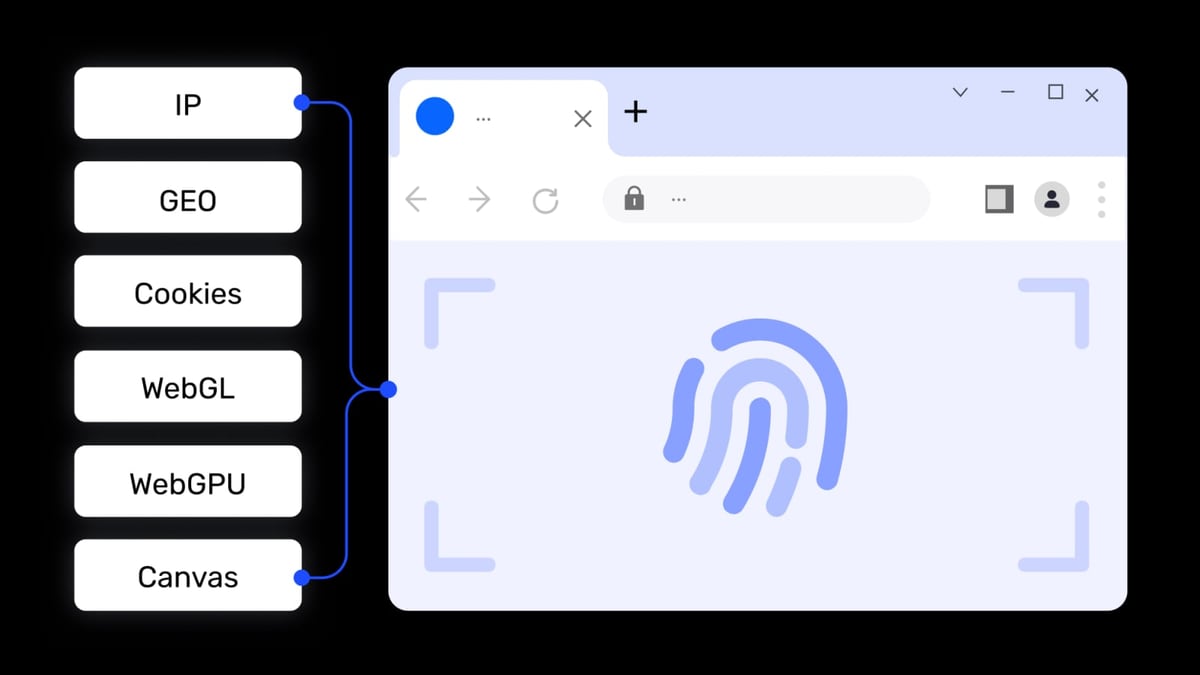
Top 10 Web Scraping API & Data Collection Platforms in 2026 product interface and feature overview.
We scored each provider against eight dimensions that matter after the first successful request:
- Success rate on heavily protected domains (Cloudflare, DataDome, etc.)
- JavaScript rendering quality
- Proxy network size and diversity (residential, mobile, datacenter)
- Anti‑bot bypass capabilities (CAPTCHA, fingerprinting, session handling)
- Structured output options (JSON, Markdown, CSV)
- Pricing transparency and cost‑per‑success model
- Developer experience (API design, SDKs, docs, retry logic)
- Enterprise compliance (GDPR, CCPA, SOC 2, ISO 27001)
The ranking synthesises benchmark data from Scrape.do’s independent test and Proxyway’s 2025 report, plus our own trials on sites like Amazon, Zillow, and Indeed. Providers are ordered by overall reliability, not by a single metric.
The Top 10 Web Scraping APIs & Data Collection Platforms
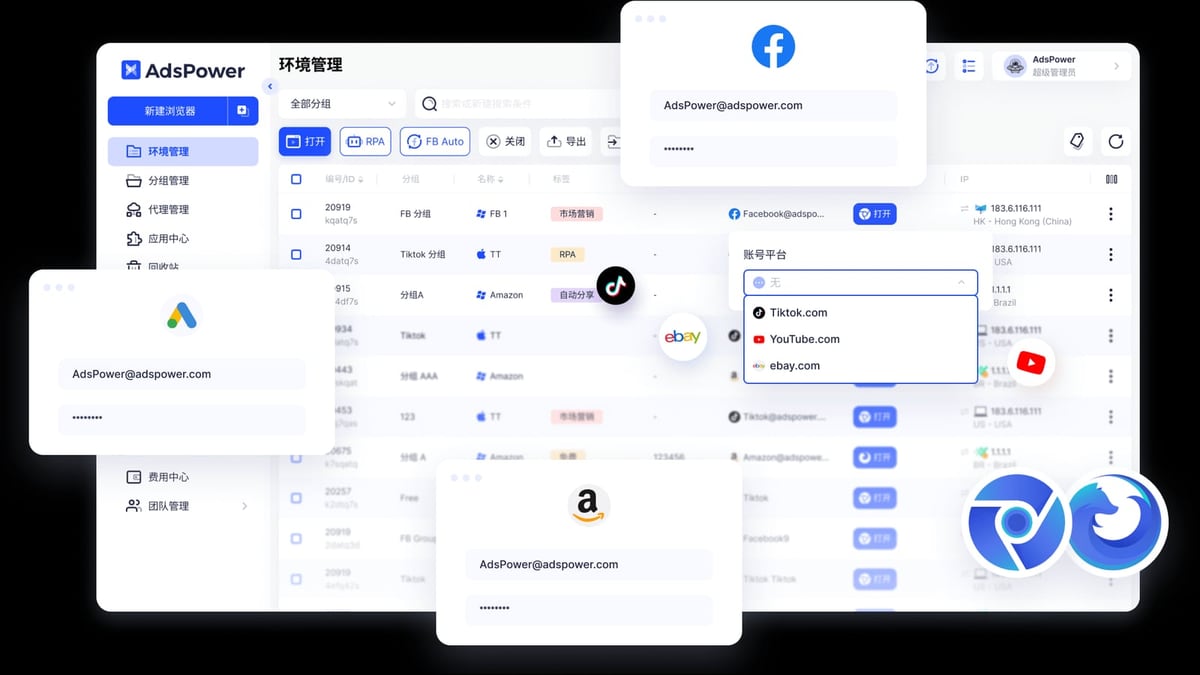
Top 10 Web Scraping API & Data Collection Platforms in 2026 product interface and feature overview.
1. Bright Data – Best Overall Web Scraping API
Verdict: The enterprise gold standard, with the highest independently benchmarked success rate and the most complete feature set.
Bright Data operates the largest proxy network (400M+ residential IPs across 195 countries) and wraps it in a Web Scraping API that handles everything from JavaScript rendering to structured JSON delivery. In Scrape.do’s 2026 benchmark, Bright Data achieved a 98.44% average success rate across seven demanding domains, hitting 100% on Indeed, Zillow, Capterra, and Google simultaneously.
Key strengths:
- 437+ pre‑built scrapers for Amazon, LinkedIn, TikTok, and 100+ other sites.
- Pay only for successful requests (from $0.75/1K), no monthly commitment.
- 99.99% uptime SLA and full GDPR/CCPA/ISO 27001 compliance.
- Rated 4.6/5 on G2 and 4.8/5 on Capterra.
Best for: Enterprise data pipelines, AI training datasets, e‑commerce price monitoring, and any workload where a failed scrape has a downstream cost.
2. Scrape.do – Fastest Response Times
Verdict: A latency‑optimised API for projects where speed and predictable per‑request pricing are non‑negotiable.
Scrape.do delivered a 98.19% average success rate in the same benchmark, with Google responses arriving in just 1.6 seconds and GitHub in 2.6 seconds. The blended average stayed under 5 seconds, making it a strong choice for time‑sensitive use cases like real‑time price dashboards or competitive intelligence alerts.
Its single‑endpoint design keeps integration simple: you send a URL, set parameters like render=true or output=markdown, and receive clean data. With 110M+ IPs and built‑in geo‑routing, it covers most common scraping scenarios without heavy configuration.
Best for: Speed‑sensitive workloads, real‑time monitoring, and teams that prioritise a flat per‑request cost model.
3. Zyte – AI‑Powered Structured Extraction
Verdict: The go‑to platform for developers who need automatic, schema‑aware extraction from complex, JavaScript‑heavy sites.
Zyte (formerly Scrapinghub) combines a managed scraping API with a mature ecosystem built around Scrapy. Its Smart Crawler and Zyte API automatically render pages, extract structured data, and adapt to layout changes. The platform excels when your team already uses Scrapy or needs clean JSON output without writing custom parsers.
For a deep dive into Zyte’s capabilities, read our evidence‑based Zyte review covering the API, proxy rotation, and AI extraction.
Best for: Scrapy teams, AI/ML data pipelines, and long‑running crawlers that demand reliability.
4. Oxylabs – Enterprise‑Grade Infrastructure
Verdict: A powerful suite of proxies and scrapers for organisations that need massive scale and fine‑grained control.
Oxylabs offers a 100M+ IP pool (residential, mobile, datacenter) alongside dedicated SERP APIs, e‑commerce scrapers, and a Web Scraper IDE. It supports AI‑driven block avoidance and can handle billions of monthly requests for Fortune 500 companies. While not a fully managed service by default, it gives in‑house engineering teams the building blocks to construct resilient, high‑throughput data pipelines.
Best for: Large‑scale price intelligence, search engine monitoring, and teams that own their scraping infrastructure.
5. Smartproxy (Decodo) – Best Value for Mid‑Market
Verdict: Affordable proxies and straightforward scraping tools for teams that don’t yet need enterprise‑level firepower.
Smartproxy’s Decodo scraping API delivers a solid success rate on moderately protected sites at a budget‑friendly price point. Its residential, mobile, and datacenter proxies cover 195+ locations, and the simple dashboard makes onboarding quick. The sweet spot is small‑to‑mid‑market e‑commerce monitoring, SEO rank tracking, and market research.
Best for: Agencies, growing data teams, and cost‑conscious projects that still need reliable geo‑targeting.
6. ScrapingBee – Simple, Point‑and‑Click Scraping
Verdict: A developer‑friendly API that removes the headache of proxy management and JavaScript rendering for straightforward scraping jobs.
ScrapingBee’s API accepts a URL and returns rendered HTML, with optional support for premium proxies and AI‑powered extraction. Documentation is clear, SDKs are plentiful, and the pay‑as‑you‑go credit system scales easily from hobby projects to mid‑volume production tasks. It does not, however, match the unblocking muscle of the top‑tier providers on heavily fortified sites.
Best for: Internal tools, MVPs, and teams that want a quick drop‑in scraping API without managing infrastructure.
7. ScraperAPI – Budget‑Friendly Commodity Scraping
Verdict: An easy‑to‑integrate API for high‑volume scraping of unprotected or lightly‑protected websites.
ScraperAPI automatically rotates IPs, handles CAPTCHAs, and returns HTML or structured JSON. Its free tier and scalable pricing make it a favourite among startups and small businesses building internal data tools. However, success rates drop sharply on sites protected by advanced anti‑bot systems like Cloudflare’s JS Challenge. Our evaluation of ScraperAPI aligns with the best web scraping services comparison by Datahut, which notes its strength is simplicity, not heavily defended targets.
Best for: Rapid prototyping, low‑complexity data collection, and teams that prioritise a low‑friction setup.
8. ZenRows – Built for Anti‑Bot Strongholds
Verdict: A scraping API engineered specifically to bypass the toughest anti‑bot defenses, including Cloudflare, DataDome, and PerimeterX.
ZenRows uses advanced browser fingerprinting evasion and automatic retry logic. It shines on targets that cause other APIs to fail with blank pages or challenge screens. The trade‑off is a higher per‑request cost and a steeper learning curve for configuration. For teams that must extract data from locked‑down sites, however, the premium is justified.
Best for: Scraping heavily protected domains where standard APIs and proxy lists fail.
9. Apify – Automation Platform, Not Just a Scraping API
Verdict: A unique platform that turns scraping into reusable “Actors” you can build, share, or buy.
Apify combines browser automation, crawling, and data transformation into a single workflow. Tens of thousands of pre‑built Actors cover tasks like Instagram hashtag extraction, Amazon product tracking, and web archiving. While it is not a pure scraping API (you often run an Actor rather than shoot a single URL), its versatility makes it a powerful complement to traditional managed APIs.
Best for: Teams that need multi‑step workflows (login → search → paginate → extract) or want to build internal scraping automations without reinventing the wheel.
10. Datahut – Fully Managed Data Collection
Verdict: A white‑glove data collection service that delivers custom datasets, not raw HTML or APIs.
Datahut builds and maintains bespoke extraction pipelines for each client, which yields higher accuracy and better compliance on complex, dynamic websites. Because there is no public API for bots to reverse‑engineer, the pipelines are harder to detect and block. Enterprises that want zero engineering overhead and guaranteed delivery should consider Datahut, though it requires a scoped project and is not suitable for small experiments.
Best for: Fortune 500 companies, e‑commerce marketplaces, and AI teams that need reliable, ongoing datasets without building an in‑house scraping team.
Quick Comparison Table
Top 10 Web Scraping API & Data Collection Platforms in 2026 product interface and feature overview.
| Tool | Best For | Success Rate Benchmark | JS Rendering | Pay‑per‑Success | Managed Service |
|---|---|---|---|---|---|
| Bright Data | Enterprise scale, protected sites | 98.44% average (Scrape.do test) | Yes | Yes | No (but full stack) |
| Scrape.do | Low‑latency, speed‑sensitive jobs | 98.19% average | Yes | Flat per‑request | No |
| Zyte | Scrapy users, AI extraction | Not benchmarked (proprietary) | Yes | Yes (via managed tiers) | Optional |
| Oxylabs | Large proxy networks, heavy throughput | Not independently tested | Yes | Custom plans | No |
| Smartproxy (Decodo) | Mid‑market value | Moderate (not tested here) | Yes | Depends on plan | No |
| ScrapingBee | Simple, drop‑in scraping | Not independently tested | Yes | Credit based | No |
| ScraperAPI | Budget, unprotected sites | Lower on Cloudflare sites | Yes (extra credits) | Fixed‑subscription tiers | No |
| ZenRows | Hardest anti‑bot targets | Not benchmarked | Yes | Per‑request | No |
| Apify | Multi‑step browser workflows | Not benchmarked (Actor dependent) | Yes | Actor‑dependent pricing | No |
| Datahut | Fully managed enterprise delivery | Near‑100% custom pipelines | Yes (managed) | Project‑based | Yes |
How to Choose the Right Platform for Your Needs
Top 10 Web Scraping API & Data Collection Platforms in 2026 product interface and feature overview.
Choosing a web scraping API is not a one‑size‑fits‑all decision. Start by asking:
- What kind of sites will you scrape? If they use heavy anti‑bot protection, prioritize Bright Data, ZenRows, or a managed service like Datahut.
- What’s your volume? For millions of requests per month, Oxylabs or Bright Data offer the raw capacity.
- Who will maintain the pipeline? If you have a Scrapy‑savvy team, Zyte integrates seamlessly. If you want to hand off all maintenance, Datahut eliminates engineering overhead.
- Do you need structured data or raw HTML? Tools like Zyte and Bright Data deliver parsed JSON out‑of‑the‑box; simpler APIs like ScraperAPI return raw HTML for you to parse.
A note on complementary workflows: when scraping platforms that enforce strict account limits (social media, ticket marketplaces), running multiple isolated browser profiles prevents account bans. Anti‑detect browsers like AdsPower create separate digital fingerprints and pair well with your scraping API. Check our guide on how to use AdsPower for Ticketmaster multi‑account setup to see how this combination works in practice.
Related reading
- AdsPower Fingerprint Browser vs Linken Sphere vs Octo Browser - Compare AdsPower fingerprint browser with Linken Sphere and Octo Browser on multi-account management, automation, team controls, and pricing. Find the best anti-detect tool for your workflow.
- Whoer.net Review: Is This Privacy Suite Right for You? - In-depth Whoer.net review covering its IP lookup, VPN, anti-detect browser, proxies, and pricing. See if this privacy suite meets your anonymity needs.
Frequently Asked Questions
What is a web scraping API?
A web scraping API is a hosted service that automates the entire data extraction process. You send a target URL; the API handles proxy selection, CAPTCHA solving, JavaScript rendering, and anti‑bot bypass, and returns clean data (HTML, JSON, CSV). It eliminates the need to build and maintain your own scraping infrastructure.
Which web scraping API has the highest success rate?
According to multiple independent benchmarks in 2025‑2026, Bright Data holds the highest documented average success rate—98.44% across a set of seven difficult domains.
Are there free web scraping APIs?
Several platforms offer free tiers. ScraperAPI provides a limited free plan, and Apify’s free tier includes monthly usage credits. Fully free services, however, often lack anti‑bot capabilities and will fail on modern protected sites.
Can a scraping API replace a proxy network?
Yes. A scraping API is a superset of proxy functionality. It bundles proxy rotation, browser rendering, and retry logic. For simple use cases a proxy alone may suffice, but for reliability on today’s web, a full scraping API is the more efficient route.
What’s the difference between a scraping API and a managed data collection platform?
A scraping API gives you programmatic access and leaves the parsing and quality assurance to your team. A managed platform like Datahut delivers finished datasets tailored to your schema, handling all technical complexity and maintenance on your behalf.
Final Thoughts
The web scraping landscape in 2026 offers a spectrum from commodity APIs to enterprise‑grade platforms and fully managed data services. The right choice depends on your technical resources, target site complexity, and data delivery requirements. We recommend testing two or three of these ranked providers on your actual target URLs and monitoring not just the success rate, but also the time your team spends on maintenance and data cleaning.
At AdsPower, we continually evaluate data infrastructure tools to help teams make informed, evidence‑backed decisions. Use this guide as a starting point, and always run a proof‑of‑concept before committing to a contract. The cost of bad data—missed insights, broken pipelines, wasted engineering hours—far outweighs the cost of a reliable scraping partner.