
Fraud Prevention: Strategies, Tools & Best Practices
Take a Quick Look
Learn how fraud prevention works, the difference between prevention and detection, common fraud schemes, and practical steps to protect your business and accounts.
🔥 Limited-Time Offer! Save extra 10% off on your first monthly plan with code: Anitdetect10
Sign upFraud Prevention: A Practical Guide to Protecting Your Business and Accounts
Fraud prevention is the practice of stopping fraudulent activity before it causes financial or reputational damage. Unlike fraud detection, which identifies suspicious behavior as it happens, prevention focuses on reducing the likelihood that an attack succeeds in the first place. For businesses, financial institutions, and individuals managing online accounts, a layered prevention strategy is no longer optional—it is a core operational requirement.
This guide explains how fraud prevention works, the most common fraud schemes, the difference between prevention and detection, and the practical steps you can take to reduce risk across your digital footprint.
What Is Fraud Prevention?
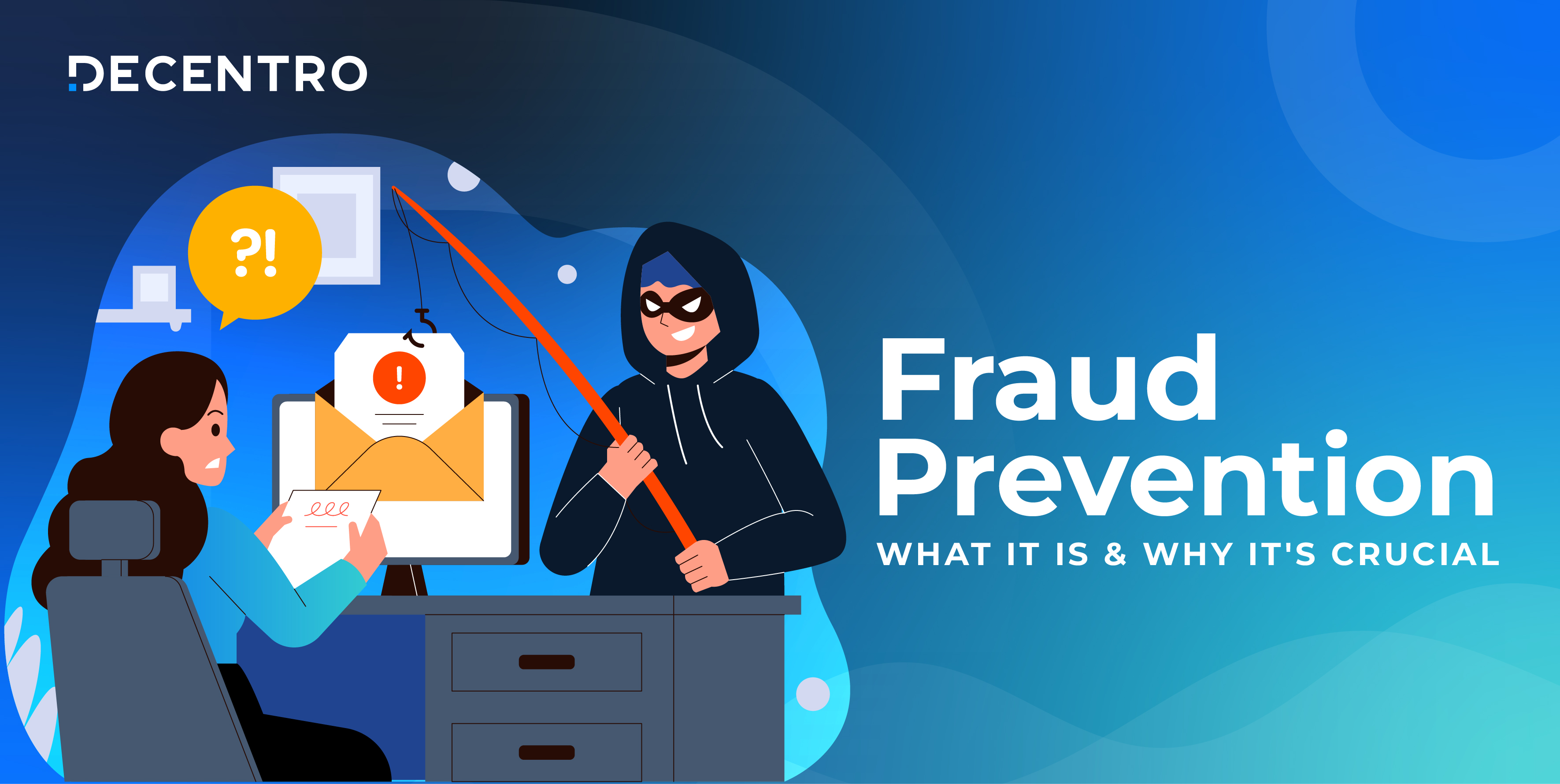
Fraud Prevention: Strategies, Tools & Best Practices - What Is Fraud Prevention?.
Fraud prevention is a proactive strategy that combines policies, technology, and user behavior to stop fraudulent transactions, account takeovers, and identity theft before they occur. It applies to financial institutions, e-commerce platforms, social media operations, and any organization that handles sensitive customer data.
According to the Consumer Financial Protection Bureau, scams and fraud can happen at any time and in any place, which is why understanding warning signs and protective measures is essential. The goal of prevention is to reduce the risk of future fraud rather than simply reacting to incidents after the fact.
Fraud Prevention vs. Fraud Detection
These two concepts are related but distinct:
| Aspect | Fraud Prevention | Fraud Detection |
|---|---|---|
| Timing | Before the fraud attempt | During or after the attempt |
| Goal | Reduce the risk of future fraud | Identify and mitigate active fraud |
| Approach | Authentication, access controls, education | Anomaly detection, transaction monitoring, scoring |
| Outcome | Fewer successful attacks | Faster response and reduced losses |
A strong security posture requires both. Prevention reduces the attack surface, while detection catches what prevention misses. As OneSpan explains, sophisticated detection solutions also reduce false positives, which improves the user experience and increases the productivity of fraud teams.
Common Fraud Schemes You Need to Know
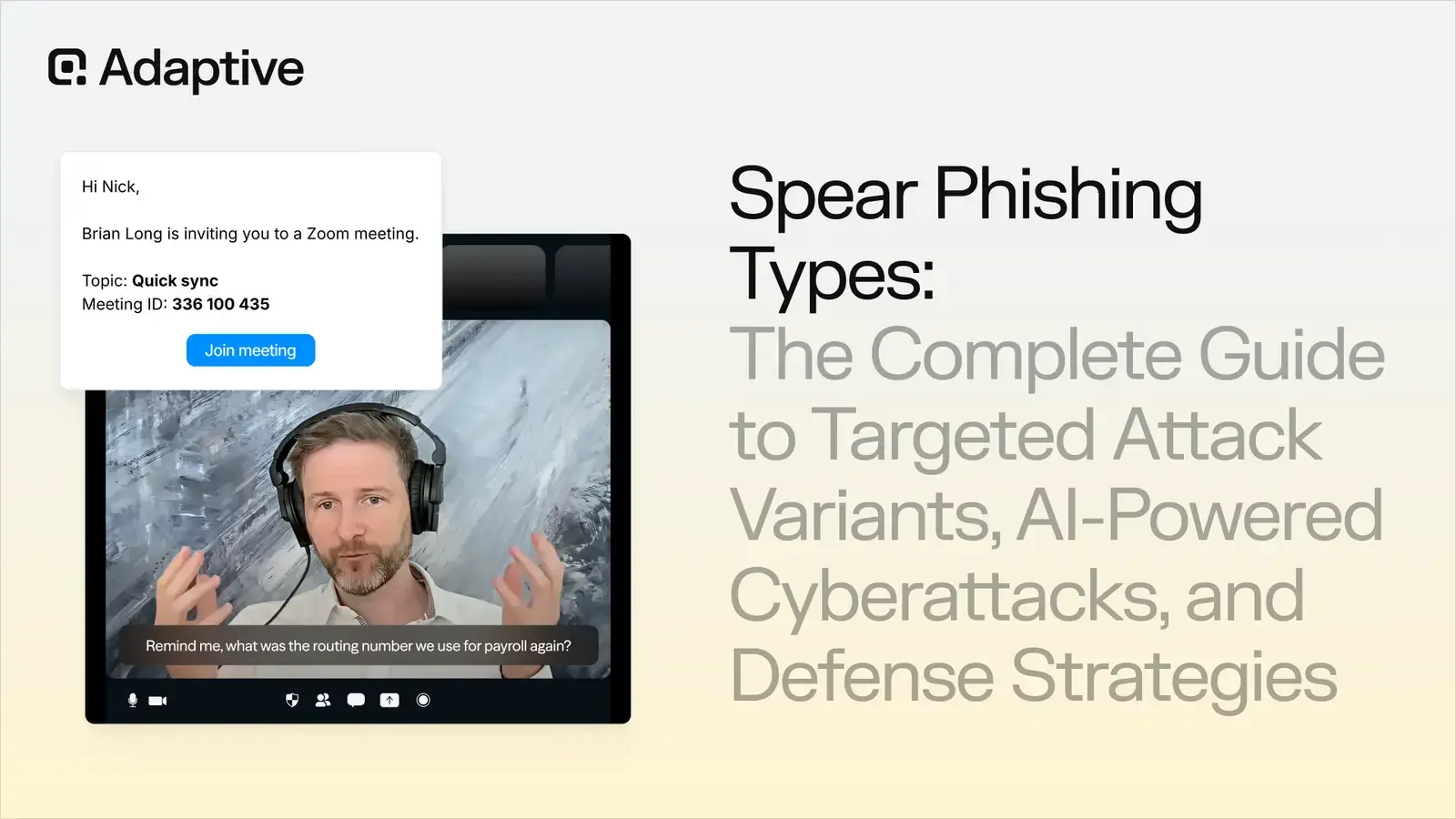
Fraud Prevention: Strategies, Tools & Best Practices - Common Fraud Schemes You Need to Know.
Understanding how fraudsters operate is the first step toward prevention. The most common schemes include:
Phishing and Social Engineering
Phishing uses email, SMS, phone calls, or other communication channels to trick victims into revealing personal information or downloading malware. Attackers often impersonate trusted organizations—banks, payment processors, or government agencies—to create urgency and lower the victim's defenses.
Prevention tips:
- Verify the sender's email address carefully, not just the display name.
- Contact the organization directly using a known phone number or website, not the contact details in the suspicious message.
- Look for misspellings, unusual URLs, and requests for sensitive information.
Account Takeover Fraud
Account takeover occurs when an attacker gains access to a legitimate user's account using stolen credentials, session hijacking, or credential stuffing. Once inside, they can transfer funds, make purchases, or steal additional personal data.
Prevention tips:
- Use unique, strong passwords for every account.
- Enable multi-factor authentication (MFA) wherever possible.
- Monitor accounts for unauthorized changes or transactions.
Identity Theft
Identity theft involves stealing personal information—such as Social Security numbers, bank account details, or credit card numbers—to commit fraud. The California Department of Financial Protection and Innovation collects and investigates reports of these unfair and fraudulent practices.
Prevention tips:
- Check credit reports regularly through the three major credit bureaus.
- Place a fraud alert or security freeze on your credit file if you suspect exposure.
- Shred documents containing personal information before disposal.
Malware and Ransomware
Malware includes viruses, spyware, and ransomware that can steal data or lock systems until a ransom is paid. Ransomware attacks have become increasingly common against businesses of all sizes.
Prevention tips:
- Keep operating systems and software updated.
- Avoid downloading attachments or clicking links from unknown sources.
- Maintain offline backups of critical data.
How Machine Learning Is Changing Fraud Prevention
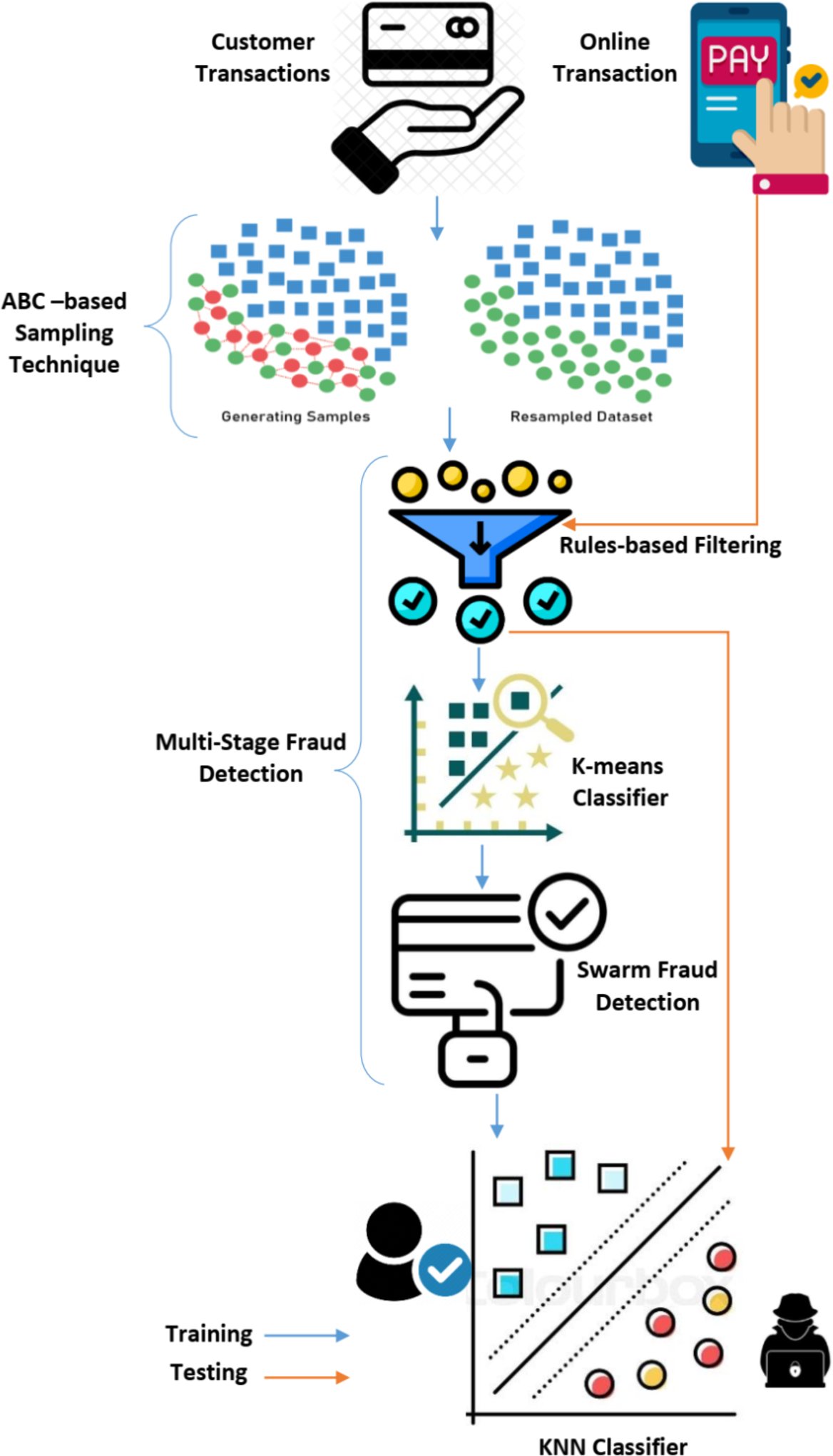
Fraud Prevention: Strategies, Tools & Best Practices - How Machine Learning Is Changing Fraud Prevention.
Modern fraud prevention increasingly relies on machine learning to identify patterns that human analysts might miss. There are two primary approaches:
- Unsupervised machine learning uses anomaly detection to determine what is normal versus unusual behavior for a given transaction or user.
- Supervised machine learning trains models on historical fraud data to assign real-time fraud scores to transactions, determining whether an action is likely to be fraudulent.
Machine learning also enables adaptive authentication. When risk is low, users experience frictionless access. When risk increases, the system can require stronger verification, such as biometric authentication or a one-time passcode. This balance between security and user experience is critical for businesses that process high volumes of legitimate transactions.
Practical Fraud Prevention Strategies for Businesses

Fraud Prevention: Strategies, Tools & Best Practices - Practical Fraud Prevention Strategies for Businesses.
1. Implement Strong Authentication Controls
Require MFA for all administrative accounts and encourage it for customers. Consider risk-based authentication that adapts to the context of each login attempt—location, device, time, and behavioral patterns.
2. Monitor Transactions in Real Time
Deploy systems that analyze transactions for anomalies such as unusual amounts, rapid successive purchases, or logins from new geolocations. Real-time scoring allows you to block suspicious activity before funds move.
3. Educate Employees and Customers
Human error remains one of the largest vulnerabilities in any fraud prevention strategy. Regular training on phishing recognition, password hygiene, and safe browsing practices reduces the likelihood of successful social engineering attacks.
4. Secure Your Multi-Account Operations
For businesses that manage multiple online accounts—e-commerce sellers, affiliate marketers, social media managers, and agencies—account security presents unique challenges. Platforms like Facebook, Amazon, Google, and TikTok use sophisticated detection systems to flag suspicious account behavior, including shared IP addresses or identical browser fingerprints.
This is where anti-detect browser technology becomes relevant. AdsPower creates isolated browser profiles with unique digital fingerprints, including Canvas, WebGL, and user agent parameters. This prevents platforms from linking accounts to the same device or IP, reducing the risk of account bans and unauthorized access. For teams running multi-account workflows, features like batch operations, automation tools (RPA and Local API integration with Selenium and Puppeteer), and proxy support provide an additional layer of operational security.
If you are evaluating anti-detect browsers, our AdsPower vs MuLogin vs Maskfog comparison breaks down fingerprint isolation, automation capabilities, and pricing to help you choose the right tool.
5. Verify Your Browser Fingerprint Configuration
Even with an anti-detect browser, misconfigured profiles can leak identifying information. Tools like BrowserScan can test your fingerprint and detect IP leaks before they cause account bans. Learn how to combine AdsPower with BrowserScan to verify profiles and prevent account-level fraud.
Fraud Prevention for Individuals
Individual consumers can reduce their personal fraud risk with these steps:
- Use safe payment methods. Stick to established payment networks and avoid wiring money to unknown parties.
- Guard personal information. Do not share sensitive data unless you initiated the contact and verified the recipient.
- Review credit reports regularly. Free annual reports from the three major bureaus help you spot unauthorized accounts or inquiries.
- Register for the National Do Not Call Registry. This reduces telemarketing calls, which are a common vector for phone-based scams.
- Freeze your credit if you suspect identity theft or after a data breach. This prevents anyone—including fraudsters—from opening new lines of credit in your name.
Fraud Prevention in Web Scraping and Automation
Businesses that rely on web scraping or automated data collection face a different kind of fraud risk: being flagged as a bot or fraudulent actor by target websites. When scraping platforms like Amazon or Google, repeated requests from the same IP or browser fingerprint can trigger anti-bot systems, resulting in IP bans or account suspension.
Using an anti-detect browser with automation tools can mitigate this risk. For example, AdsPower integrates with Puppeteer to enable safer multi-account automation and scraping. Similarly, combining AdsPower with Beautiful Soup provides a ban-resistant scraping workflow with proper fingerprint isolation and proxy rotation.
For proxy selection, review our top 10 residential proxy networks to find providers with strong IP pool sizes and success rates, or check the IPRoyal pricing breakdown for cost-effective options.
Related reading
- Proxy-Cheap Review 2026: Pricing, Features & Verdict - In-depth Proxy-Cheap review covering residential, mobile, ISP, and datacenter proxy pricing, performance, use cases, and how it compares in 2026.
Frequently Asked Questions
What is the difference between fraud prevention and fraud detection?
Fraud prevention occurs before an attack and aims to reduce the risk of future fraud through authentication, access controls, and education. Fraud detection occurs during or after an attack and focuses on identifying and mitigating active fraud using monitoring, anomaly detection, and scoring systems.
What are the most common types of fraud?
The most common types include phishing, identity theft, account takeover, credit card fraud, wire transfer fraud, and ransomware. Each requires a different prevention approach, but strong authentication and user education are universally effective.
How can businesses prevent account takeover fraud?
Businesses can prevent account takeover by requiring multi-factor authentication, monitoring for unusual login patterns, using strong password policies, and isolating multi-account operations with unique browser fingerprints and IP addresses.
What role does machine learning play in fraud prevention?
Machine learning enables real-time fraud scoring, anomaly detection, and adaptive authentication. It helps fraud teams process large volumes of transactions and respond to threats faster than manual review alone.
How can I protect my online accounts from being linked and banned?
Use unique browser profiles with distinct digital fingerprints, rotate IP addresses through proxies, and avoid logging into multiple accounts from the same device without isolation. Anti-detect browsers like AdsPower are designed specifically for this purpose.
What should I do if I am a victim of fraud?
Report the incident to the Federal Trade Commission, contact your bank or credit card issuer immediately, place a fraud alert on your credit reports, and consider a credit freeze. Document all communications and transactions related to the fraud.
Conclusion
Fraud prevention is a continuous process, not a one-time fix. It requires a combination of technology, policy, and awareness to stay ahead of evolving threats. Whether you are a financial institution protecting customer accounts, an e-commerce business managing multiple storefronts, or an individual safeguarding personal data, the principles remain the same: reduce the attack surface, authenticate rigorously, monitor continuously, and educate everyone involved.
For businesses operating in multi-account environments, tools like AdsPower provide fingerprint isolation and automation capabilities that reduce the risk of account bans and unauthorized access. Combined with strong internal policies and real-time monitoring, these tools form a comprehensive fraud prevention strategy that protects both your accounts and your revenue.