
Binance Review 2026: Is It Safe? Fees, Pros & Cons Examined
Take a Quick Look
Unbiased Binance review covering fees, security, pros & cons, and user experience. Evidence-based verdict for beginners and advanced traders in 2026.
🔥 Limited-Time Offer! Save extra 10% off on your first monthly plan with code: Anitdetect10
Sign upBinance Review 2026: A Data-Backed Look at Safety, Fees, and Actual User Experience
Binance is the world’s largest cryptocurrency exchange by daily trading volume, and its product suite now spans spot trading, futures, margin, options, staking, an NFT marketplace, and more. But popularity doesn’t guarantee trust. This review sorts fact from promotional noise using user-submitted evidence, security audits, and official disclosures. At AdsPower, we believe platforms should be judged by what they can prove—not just by what they claim.
Who Actually Benefits from Binance?
Binance Review 2026: Is It Safe? Fees, Pros & Cons Examined - supporting product research image 1.
Binance isn’t one-size-fits-all. The platform serves distinct groups best when their needs align with the exchange’s strengths.
Ideal users:
- Active traders who need low maker/taker fees, high liquidity, and advanced order types (stop-limit, OCO, trailing stops).
- Altcoin explorers seeking hundreds of listed assets, including small-cap tokens rarely found on regulated U.S. exchanges.
- DeFi & Web3 participants who want to move assets seamlessly between the centralized exchange, Binance Chain, and dApps.
- Institutional clients using sub-accounts, OTC trading, and API integrations.
Less suitable for:
- Absolute beginners who would be overwhelmed by the dense trading interface.
- Buy-and-hold investors who value simplicity and regulatory clarity over advanced tools.
- Users in jurisdictions where binance.com is restricted (e.g., the U.S., where only the limited Binance.US version is available).
Key Strengths: What Binance Gets Right
Binance Review 2026: Is It Safe? Fees, Pros & Cons Examined - supporting product research image 2.
1. Lowest Fee Tiers in the Industry
Spot trading fees start at a flat 0.1% for maker and taker orders—already competitive—but holding BNB (Binance’s native token) enables a 25% discount, dropping the fee to 0.075%. Futures traders can even receive a negative maker fee (-0.01%), meaning they earn a rebate for providing liquidity. This fee structure is especially attractive for high-volume scalpers and algo traders.
2. Product Depth Beyond Spot Trading
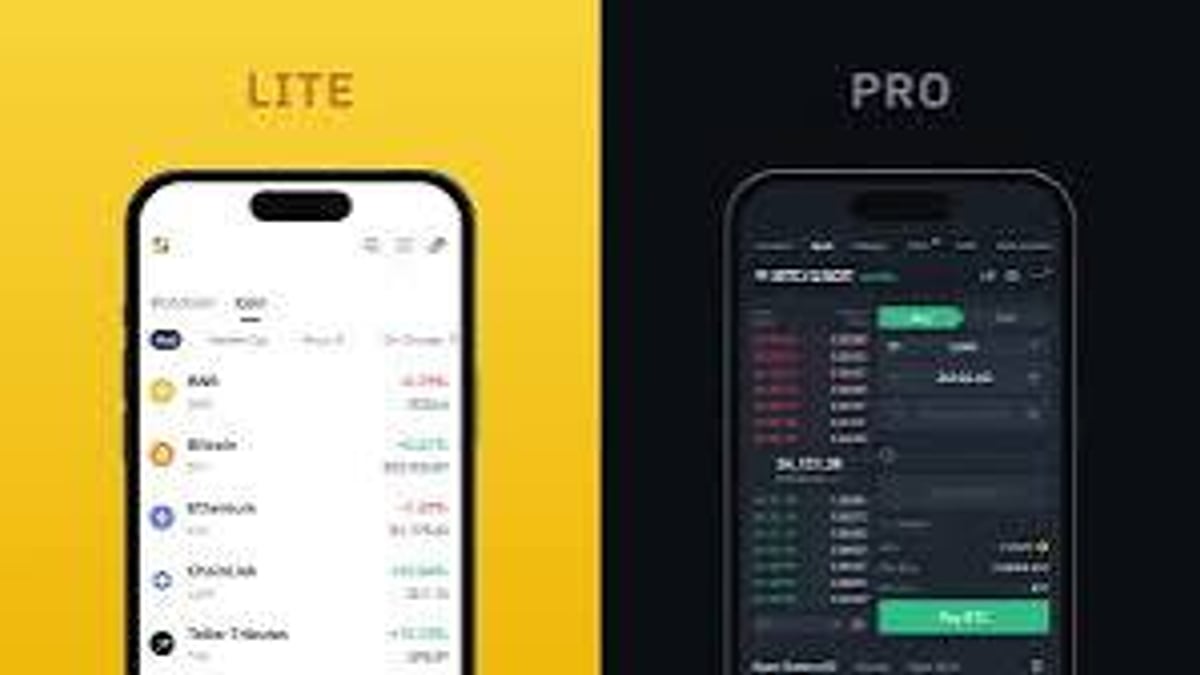
Few exchanges match Binance’s range. You can trade perpetual and dated futures with up to 125x leverage, use margin with isolated or cross positions, trade options, stake idle assets for passive yield, or swap coins instantly via the built-in Convert tool. The P2P marketplace lets users trade directly with each other using local payment methods, and the NFT marketplace and launchpad add speculative avenues.
3. Liquidity and Order Book Depth
Daily volumes routinely exceed $10 billion across spot and derivatives markets. That depth reduces slippage on large orders and keeps spreads tight for popular pairs like BTC/USDT and ETH/USDT.
4. Educational Resources
Binance Academy offers free, structured courses on blockchain fundamentals, trading strategies, and security. For a platform that can feel intimidating, the learning portal is a genuine asset.
Limitations and Criticism: Where Binance Falls Short
Binance Review 2026: Is It Safe? Fees, Pros & Cons Examined - supporting product research image 3.
1. Confusing Dual Version for U.S. Users
International users access binance.com, a full-featured exchange. American traders are forced onto Binance.US, which lists far fewer coins, has lower liquidity, and lacks many derivatives products. Opening the wrong version can lead to account freezes.
2. High Withdrawal Fees for Bitcoin
A widely cited pain point on Reddit’s r/BitcoinBeginners is the Bitcoin withdrawal fee—historically as high as 0.0005 BTC (over $30 in recent bull markets). While network fees fluctuate, Binance has been criticized for profiting from withdrawal markups. Users have documented being pushed toward a “wrapped BTC” coupon token instead of native Bitcoin withdrawals, a practice some call deceptive.
3. Legal and Regulatory Headwinds
Binance has faced lawsuits alleging market manipulation, illegal securities offerings, and anti-money-laundering shortcomings. The U.S. SEC sued Binance in 2023, and the platform has settled with several agencies at a cost of billions. While operations continue, the regulatory cloud is real. A past class-action complaint listed fraud and manipulation allegations that contributed to a “high risk” ranking in the BitcoinBeginners community exchange hierarchy.
4. Inconsistent Customer Support
Trustpilot reviews reveal frequent complaints about unresponsive support, frozen accounts, and account blocks after deposits. While some reports may stem from user error, the volume of negative feedback suggests that customer service remains a glaring weakness.
5. Complexity Can Lead to Costly Mistakes
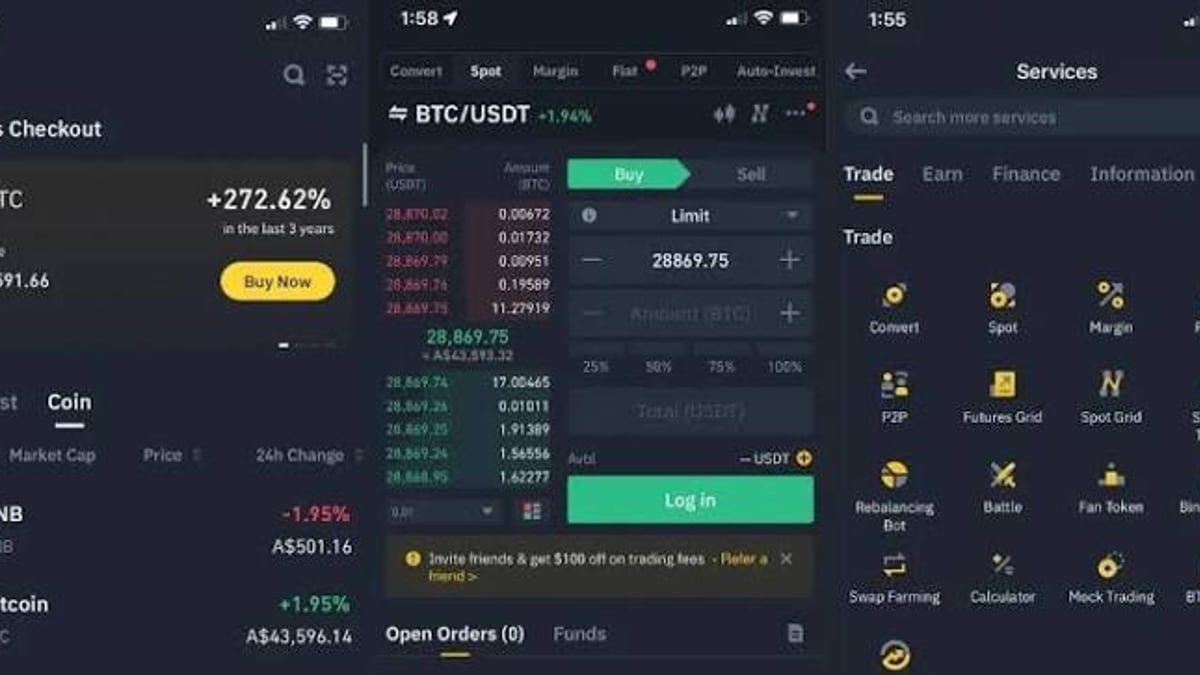
The platform’s interface, while powerful, buries risk controls and fee details. First-time users sometimes accidentally open leveraged positions or overlook withdrawal memo requirements, resulting in lost funds.
Fee Structure and Hidden Costs
Spot trading: 0.1% maker/taker (0.075% with BNB). Futures: Maker -0.01% / Taker 0.02% to 0.04%, with further discounts for VIP tiers. Withdrawals: Dynamic and varies by network. At time of writing, BTC withdraw fee ≈ 0.0002 BTC on BEP20, and higher on Bitcoin network. Deposits: Free for crypto. Fiat deposits may incur payment-provider fees. Inactivity: No monthly fees, but funding costs (swap fees, interest) apply on margin/loans.
Always verify the latest schedule on Binance’s fee page, as rates can be updated without fanfare.
How to Set Up and Secure Your Binance Account
Binance Review 2026: Is It Safe? Fees, Pros & Cons Examined - supporting product research image 4.
- Create Account: Use an email or mobile number. Immediately generate a strong, unique password.
- Complete KYC: Submit ID and facial verification to unlock fiat limits. Binance enforces identity checks aggressively; missing this step can result in sudden restrictions.
- Enable 2FA with a Hardware Key: While SMS and app-based 2FA are options, Binance supports YubiKey and other hardware tokens—by far the most phishing-resistant method.
- Configure Address Whitelisting: Restrict withdrawals to pre-approved wallet addresses. This adds a delay on new addresses and prevents thieves from draining your account even if they bypass login.
- Set Anti-Phishing Code: A unique string that Binance includes in legitimate emails, helping you spot fake messages.
- Deposit Funds & Begin Trading: Start with a small test transaction.
Safety Measures and the 2019 Hack: Is Your Crypto Secure?
Security.org’s audit confirms that Binance stores the “vast majority” of customer funds in cold wallets that are not connected to the internet. Other layers include:
- Real-time transaction monitoring: Unusual activity triggers a 24–48 hour withdrawal freeze.
- SAFU Fund: An emergency insurance pool valued at approximately $1 billion, designed to reimburse users in case of a platform breach.
- Access-control tools: IP and wallet whitelisting, plus encryption of personal data.
In May 2019, hackers stole $40 million in Bitcoin after compromising API keys and 2FA codes. Binance used its SAFU reserve to fully reimburse affected users—an outcome that, while not excusing the breach, demonstrated a commitment to covering losses. Post-hack, the exchange tightened withdrawal monitoring and key management.
That said, no exchange is immune. User-side risks—password reuse, SIM-swap attacks, malware on trading devices—remain the primary vectors. Security.org recommends keeping the device you trade on clean and using an antivirus.
How Binance Compares to Alternatives
| Exchange | Fee (Spot) | Key Highlight | Risk Level (community view) |
|---|---|---|---|
| Binance | 0.1% (0.075% with BNB) | Largest altcoin selection, advanced derivatives | High (regulatory overhang) |
| Coinbase | 0.6%–0.05% | High trust, simpler interface, strong U.S. compliance | Low |
| Kraken | 0.25%–0.10% | Transparent proof of reserves, staking, limited altcoins | Moderate |
| Bisq (DEX) | Variable (BTC trading fees) | Non-custodial, no KYC, privacy-focused | Very low |
For users prioritizing safety and simplicity, Coinbase or Gemini offer a clearer regulatory record. High-volume traders outside the U.S. will find Binance’s fee structure unmatched. Community risk rankings consistently place Binance near the top of the “high risk” category due to allegations and opaque jurisdictional structure.
Decision Checklist: When to Use (or Avoid) Binance
Choose Binance if:
- You trade derivatives (futures, margin) and need the lowest fees.
- You want access to hundreds of altcoins and DeFi opportunities.
- You are comfortable with a complex UI and understand risk management.
- You live outside the U.S. or accept Binance.US’s reduced offering.
Look elsewhere if:
- You are a first-time crypto buyer seeking hand-holding and simple buys/sells.
- Strong customer support is a deal-breaker.
- You live in a state like New York where even Binance.US doesn’t operate.
- Regulatory certainty matters more than fee optimization.
Related reading
- Top 10 Social Media Ad Platforms 2026 (Ranked & Reviewed) - Find the best social media advertising platforms in 2026. We rank TikTok for Business, YouTube Ads, Facebook Ads & more based on AI, reach, and ROI.
- How to Use AdsPower Fingerprint Browser with Instagram - Learn to use AdsPower anti-detect browser with Instagram to manage multiple accounts, avoid bans, and automate engagement. Step-by-step setup with proxies and fingerprints.
- AdsPower vs MuLogin vs GoLogin: Which Anti-Detect Browser Wins? - Compare AdsPower, MuLogin, and GoLogin on fingerprint control, automation, pricing, and team features to find the best anti-detect browser for your multi-account workflow.
Sources and further reading
- Is Binance A Safe Crypto Exchange? | Security.org - Binance is safe, storing most crypto in cold wallets. It uses 2FA and real-time monitoring, but user errors and device hacking remain risks.
Frequently Asked Questions
Is Binance safe in 2026? Binance employs cold storage, 2FA, real-time anomaly detection, and a $1B insurer fund (SAFU). It has not suffered a major breach since 2019, and that incident was fully reimbursed. However, regulatory actions and user reports of frozen accounts introduce non-technical risks.
What are the withdrawal fees for Bitcoin? Fees depend on the network. On BEP20 (Binance Smart Chain), the fee is typically ~0.0002 BTC; on the Bitcoin mainnet it can be higher. Always check the current fee schedule before withdrawing.
Why are there two versions of Binance? Binance.com serves most of the world, while Binance.US is a separate entity that complies with U.S. regulations, resulting in a smaller coin list and no derivatives. Using the wrong version can lead to account restrictions.
Does Binance offer a demo account? Yes, Binance offers a “Testnet” for futures trading where you can practice with simulated funds. The feature is not available for spot trading on the main platform.
Has Binance been hacked? Yes, in May 2019 hackers withdrew $40 million in Bitcoin via compromised API keys. All users were made whole through the SAFU fund, and the exchange upgraded its security infrastructure afterward.
Conclusion
Binance remains a dominant force for a reason: low fees, deep liquidity, and an unmatched product suite. However, its track record includes high withdrawal costs, a dual-site structure that confuses users, and a regulatory battle that isn’t fully resolved. For active, experienced traders who can manage these trade-offs and don’t rely on quick customer support, Binance is a compelling choice. Casual investors or those who prioritize a spotless regulatory standing will fare better with simpler, more transparent exchanges. Use this evidence-based review to decide whether Binance aligns with your risk tolerance and trading style—not as financial advice, but as a clear-eyed look at what the platform delivers and what it doesn’t.