
Top 10 Social Media Ad Platforms 2026 (Ranked & Reviewed)
Take a Quick Look
Find the best social media advertising platforms in 2026. We rank TikTok for Business, YouTube Ads, Facebook Ads & more based on AI, reach, and ROI.
🔥 Limited-Time Offer! Save extra 10% off on your first monthly plan with code: Anitdetect10
Sign upTop 10 Social Media Advertising Platforms in 2026: Ranked for Performance and Scale
Social media advertising has changed. It's no longer just about who has the most users—it's about which platforms turn attention into measurable business outcomes. In 2026, the best ad platforms combine massive reach with AI-driven automation, full-funnel creative tools, and native commerce integrations. Whether you're a solo media buyer or managing multi-region campaigns for a global brand, the right platform mix can make or break your ROAS.
This ranking focuses solely on social media advertising platform products—the structured ad ecosystems each network offers to businesses. We left out general social networks that lack robust ad infrastructure, and we did not consider tools outside the ad-platform layer (like proxy services or browser management suites). You’ll find evidence behind every position, a clear evaluation methodology, and practical notes on when a complementary workflow tool like an anti-detect browser becomes relevant.
How We Evaluated These Platforms
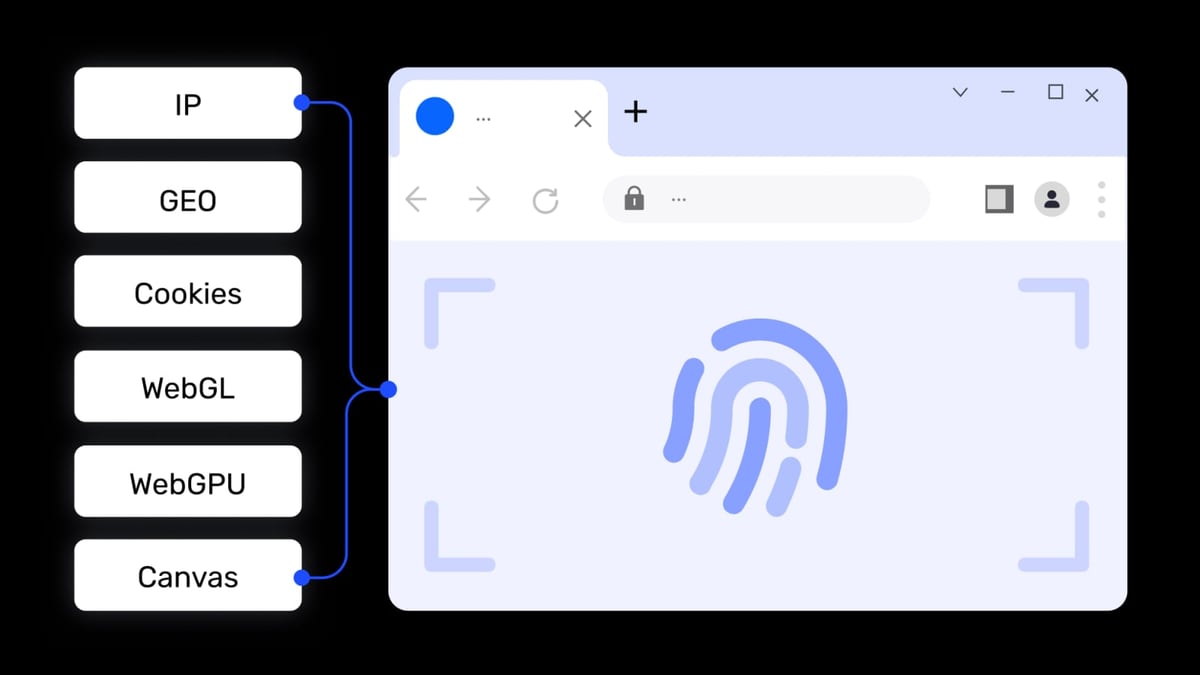
Top 10 Social Media Ad Platforms 2026 (Ranked & Reviewed) product interface and feature overview.
Our ranking is built on five transparent criteria, weighted to reflect what performance marketers and growth teams care about in 2026:
- Reach & Audience Granularity – Monthly active users (MAU) plus the ability to segment by demographics, interest, and behavior at scale. Figures are sourced from platform-reported data and industry research.
- Ad Format Depth – How many distinct ad placements and interactive formats the platform supports (video, carousel, AR, DM-based, etc.).
- AI & Automation Capabilities – The maturity of machine-learning tools for bidding, creative optimization, and campaign structure (e.g., Advantage+, Smart+).
- Commerce & Measurement Lock-In – Whether the platform closes the loop with native checkout, product catalogs, attribution, and third-party verified lift studies.
- Proven Performance Signals – Publicly shared case studies, average CPM/CPA benchmarks, and incremental lift data that advertisers can trust for planning.
Now, let’s count down the top 10 advertising platforms that are shaping social commerce in 2026.
1. TikTok for Business – The Entertainment-Meets-Performance Engine
Top 10 Social Media Ad Platforms 2026 (Ranked & Reviewed) product interface and feature overview.
TikTok’s advertising platform has matured into the most dynamic full-funnel machine in social media. With over 1 billion monthly active users, it’s no longer just a Gen‑Z playground; it’s where 40.3% of campaigns find incremental reach beyond TV and where Smart+ campaigns deliver a 2.2× higher purchase lift compared to standard manual targeting.
Why it’s #1 in 2026:
- AI-first automation: Smart+ uses predictive modeling to handle audience selection, bidding, and creative delivery—often outperforming human-built campaigns. This reduces cost‑per‑acquisition while scaling spend.
- Native commerce integration: TikTok Shop, product catalogs, and Live Shopping tie ads directly to checkout, making it a true performance channel.
- Creator collaboration built in: TikTok One allows brands to partner with creators at scale, while the AI-powered Symphony Creative Studio generates on-brand video variations in minutes.
- Brand safety at scale: 99% brand-safe inventory (according to TikTok’s internal audits) combined with robust measurement suites (attribution, brand lift, MMM) satisfies even cautious enterprise buyers.
Who it’s best for: DTC e‑commerce, mobile gaming, entertainment, and any brand willing to embrace vertical short-form creative.
Complementary workflow note: When running multiple TikTok ad accounts across regions or client profiles, keeping each account isolated from detection algorithms is critical. A fingerprint browser like AdsPower lets you operate separate environments with unique digital fingerprints, proxies, and cookies, reducing the risk of account linking. For a step‑by‑step setup, see our guide on how to use AdsPower with TikTok for multi‑account advertising.
2. Facebook Ads (Meta) – Unmatched Scale and Targeting Granularity
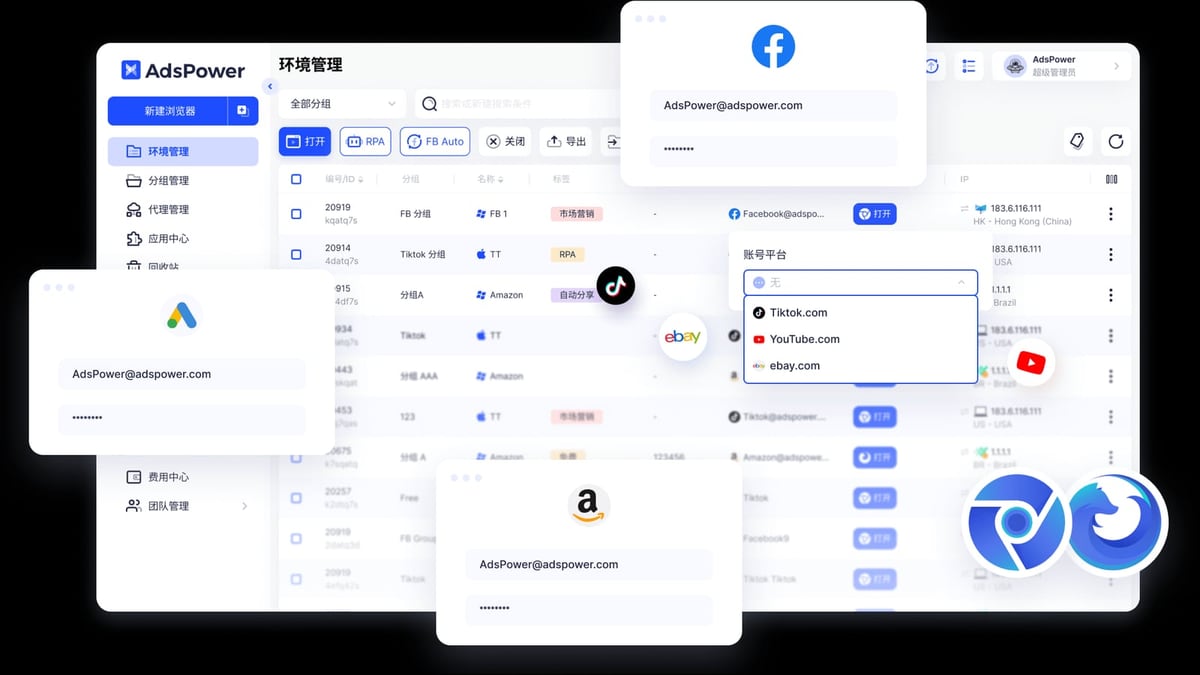
Top 10 Social Media Ad Platforms 2026 (Ranked & Reviewed) product interface and feature overview.
Despite the rise of newer platforms, Facebook’s advertising backbone remains the most versatile reach vehicle on the planet, with 3.07 billion MAU across Facebook and Messenger. Its targeting engine still leads in demographic, behavioral, and lookalike modeling, making it indispensable for mass-market campaigns.
- Advantage+ shopping campaigns: Meta’s AI creates and delivers personalized ads across Facebook, Messenger, and Audience Network, reducing CPA by up to 23% in tested accounts.
- Cross-platform buying: A single campaign can surface on Facebook Feed, Stories, Reels, and Messenger, managed through one interface.
- Lead generation and messaging: Facebook Messenger ads open a direct line to customers, with automated follow‑ups that convert without a landing page.
- Creative fragmentation: Advertisers must now create multiple asset variations to avoid creative fatigue, but Dynamic Creative Optimisation handles this automatically.
Key metric: 70% of B2C businesses have acquired a customer through Facebook ads (according to Meta’s economic impact reports). It’s still the safest bet for most brand awareness and conversion campaigns.
3. YouTube Ads (Google) – The Long-Form Consciousness Economy
Top 10 Social Media Ad Platforms 2026 (Ranked & Reviewed) product interface and feature overview.
YouTube’s ad platform is built on attention, not just impressions. With 2.53 billion MAU and an average RPM of $3 for long‑form creators (higher in finance and tech), it remains the place where high‑intent consumers lean in. In 2026, YouTube Shopping and BrandConnect merge influencer discovery with direct sales, letting advertisers tap creator trust at massive scale.
- Skippable and non‑skippable formats: TrueView and bumper ads still allow cost‑efficient reach, while 15‑second non‑skippable ads drive recall and action.
- Vertical video ascends: YouTube Shorts ads now run alongside full‑screen vertical experiences, rivaling TikTok’s immersive format.
- Advanced connected‑TV (CTV) targeting: YouTube on TV screens reached over 150 million monthly viewers in the U.S. alone; advertisers can buy audiences, not just channels.
For advertisers in education, SaaS, and finance, YouTube’s CPM advantage (often $10–$20 in high-value niches) translates into higher permissible acquisition costs, making it a top performer for subscription models.
4. Instagram Ads (Meta) – Visual Discovery Powered by Meta’s AI Stack
Instagram ads share the same targeting and measurement backbone as Facebook, but the platform’s visual-first environment and shopping tags create unique value. Over 3.0 billion MAU interact with Stories, Reels, and the Explore page daily, and 83% of Instagram users say they have discovered a new product on the platform.
- Reels-first placement: With Meta’s pivot to video, Reels ads now dominate inventory, offering full-screen, sound‑on immersive bursts.
- Instagram Shopping: Product tags in feed posts, Stories, and Reels shorten the path from discovery to purchase.
- Creator Marketplace: Brands can search for and pay creators directly within the app, with performance tracking tied to ad placements.
For visually driven DTC brands, Instagram remains the highest-intent discovery channel outside of search. Managing multiple brand or client accounts without triggering platform restrictions often calls for isolated browser environments; our guide to using AdsPower with Instagram shows how to do this safely.
5. LinkedIn Ads – The B2B Precision Instrument
LinkedIn’s advertising value isn’t about total MAU (it’s around 1 billion members, but far fewer active ad viewers); it’s about job title, seniority, and company firmographic targeting that no other platform can match.
- Thought leader ads: Sponsored posts from individual profiles outperform company-page content in engagement, humanizing B2B brands.
- Lead gen forms & conversation ads: Pre-filled forms and chat-like ad units capture high‑quality leads without cold landing pages.
- Audience network: Extends campaigns to trusted third‑party apps, though B2B buyers often prefer staying within LinkedIn’s own feed.
Average CPMs are higher ($30–$60), but for SaaS, consulting, and enterprise tech, the cost per qualified lead often justifies it. In 2026, LinkedIn’s AI campaign manager, "Accelerate," can auto‑build audiences and creatives, lowering the barrier to entry.
6. Pinterest Ads – The Purchase Plan Catalyst
Pinterest users don’t just scroll; they plan. Over 93% of Pinners use the platform to research purchases, and 81% of users are female—a demographic with dominant household spending influence. Ad formats are inherently search‑like, making them high‑intent.
- Shopping ads & catalogs: Product Pins pull directly from e‑commerce feeds, updating price and availability in real time.
- Idea ads & video pins: Short, vertical video ads appear within the user’s idea feed, blending discovery with action.
- Trend-based targeting: Pinterest Trends tool reveals seasonal spikes before they peak, letting advertisers front-run demand.
For home decor, fashion, beauty, and recipe brands, Pinterest ads often outperform search and social retargeting in early-stage purchase intent.
7. Snapchat Ads – Augmented Reality & Gen‑Z Engagement
Snapchat’s daily active user base sits around 900 million, predominantly 16–30 years old. Its ad platform leans heavily on immersive AR lenses and filters, which generate a 94% higher swipe‑up rate than standard video ads, according to Snap’s internal data.
- AR shopping lenses: Users virtually try on makeup, glasses, or shoes, then swipe to buy—bridging the online and offline try‑on gap.
- Dynamic product ads: Personalized carousel ads pulled from product catalogs mimic the best of Facebook’s DPA but within the Snapchat ecosystem.
- Story & Spotlight ads: Full‑screen vertical placements in user‑generated content feeds now drive large inventory.
AR ad costs are higher upfront, but the engagement and sharing uplifts can bring CPAs down when creative aligns with user behavior.
8. X Ads (formerly Twitter) – Real-Time Conversation Targeting
X’s advertising platform has been rebuilt around real‑time relevance. While MAU hovers around 650 million, the value lies in moment‑based targeting: live events, breaking news, and trending conversations.
- Amplify pre‑roll: Brand-safe video ads attached to premium publisher content.
- Dynamic product ads: Retarget users who engaged with your website or app, now with improved creative flexibility.
- Vertical video feed: The new immersive video feed opens full‑screen ad formats that compete with TikTok and Reels.
For news outlets, event marketers, and politics, X ads can drive immediate conversation and engagement spikes. However, direct‑response conversion remains less consistent than on Meta or TikTok.
9. Reddit Ads – The Niche Community Loyalist
Reddit’s advertising has matured significantly. With 850 million MAU and 100,000+ active communities, its interest‑based subreddits offer some of the most authentic targeting on the internet.
- Contextual and interest‑based targeting: Ads appear within specific subreddits or based on user interests, bypassing personal data concerns.
- Promoted posts & comments: Brands can participate in conversations authentically, not just interrupt them.
- AMA sessions: Paid “Ask Me Anything” threads combined with display ads create deep engagement with informed audiences.
While conversion tracking is improving, Reddit is best used for top‑of‑funnel awareness and community building. Savvy advertisers use it to seed product discussions before retargeting elsewhere.
10. WeChat Ads (for Cross‑Border Commerce) – The China Gateway
If your business sells to Chinese consumers or partners with manufacturers in the region, WeChat’s advertising platform is indispensable. With 1.41 billion MAU (mostly in China), Weixin (WeChat) integrates Moments ads, Official Account articles, Mini Programs, and WeChat Pay into a single ecosystem.
- Mini Program ads: Brands can build lightweight apps within WeChat that collect user data and drive e‑commerce directly.
- Moment ads: Native video and image ads appear in users’ friend feeds, with direct links to Mini Programs or official accounts.
- KOL collaboration: Key Opinion Leader (influencer) seeding amplifies branded content, often driving immediate shop traffic.
For cross‑border e‑commerce sellers using platforms like Amazon, AliExpress, or independent stores, WeChat ads are a parallel funnel that rarely overlaps with Western ad platforms. When managing WeChat alongside Western social ad accounts, many teams use a fingerprint browser to keep profiles isolated; the AdsPower vs MuLogin vs GoLogin comparison breaks down which tool offers the best regional fingerprint support.
Related reading
- How to Use AdsPower Fingerprint Browser with Instagram - Learn to use AdsPower anti-detect browser with Instagram to manage multiple accounts, avoid bans, and automate engagement. Step-by-step setup with proxies and fingerprints.
- AdsPower vs MuLogin vs GoLogin: Which Anti-Detect Browser Wins? - Compare AdsPower, MuLogin, and GoLogin on fingerprint control, automation, pricing, and team features to find the best anti-detect browser for your multi-account workflow.
- MyPrivateProxy Review: Performance, Pricing & User Feedback - Evidence-based MyPrivateProxy review for 2026: speed tests, pricing breakdown, user reviews, and guide for sneaker bots, ticketing, SEO tools, and scraping.
Sources and further reading
- Which Social Media Platform Pays the Most? | Metricool - Want to know which social media platform pays the most? Find out here, along with how top platforms pay creators and best practices for monetization.
- Top 11 Social Media Platforms for Business in 2026 - Which social media channel is going to provide the most ROI for your specific business? We're analyzing the top 11 social media platforms for business.
Frequently Asked Questions
Which social media platform gives the best ad ROI in 2026?
ROI depends on niche, but TikTok for Business and Meta’s Advantage+ often deliver the highest conversion rates for e-commerce. YouTube excels for high-consideration purchases like SaaS or education. LinkedIn wins for B2B lead quality.
Should I advertise on multiple platforms or focus on one?
Most effective strategies layer 2–3 platforms. For example, use TikTok for awareness and reach, retarget on Facebook/Instagram, and close high-ticket deals on YouTube. Avoid spreading budgets so thin that no platform reaches critical learning thresholds.
How do I prevent my ad accounts from being banned when managing multiple client profiles?
Platforms like TikTok, Facebook, and Instagram can flag accounts that appear to be operated from the same device or IP. Using an anti-detect fingerprint browser like AdsPower creates isolated environments with unique digital fingerprints and proxies for each ad account. This doesn’t improve ad performance directly, but it protects against cross-account bans that can halt campaigns overnight.
Are there any platforms that should be avoided in 2026?
No platform is universally bad, but some (like X) demand constant real-time relevance that may not suit all brands. Smaller platforms with limited measurement capabilities or bot-heavy traffic should be tested with caution until they prove incremental value.
Conclusion: Your 2026 Social Ad Stack Starts Here
The social media advertising landscape in 2026 rewards platforms that merge AI automation, community-driven discovery, and native commerce into one seamless loop. TikTok for Business leads the charge with its creative AI and proven purchase lifts, but Meta’s massive reach and YouTube’s high‑intent viewership still form critical pillars of any mature ad stack.
Before scaling, audit your own assets: creative testing velocity, product feed health, agency or client account isolation, and measurement pipelines. The right tool outside the ad platform—like a reliable fingerprint browser when managing multiple ad profiles—can safeguard your operation, but the core growth comes from the platform you bet on. Choose the platform that matches your buyer’s behavior, not just the one with the biggest user count.