
Top 10 E-Commerce Platforms 2026: Tested & Ranked
Take a Quick Look
Compare the 10 best e-commerce platforms for 2026 with hands-on testing, pricing, and real case studies. Find the perfect fit for your online store.
🔥 Limited-Time Offer! Save extra 10% off on your first monthly plan with code: Anitdetect10
Sign upTop 10 E-Commerce Platforms 2026: Tested & Ranked
Choosing an e-commerce platform in 2026 isn’t just about setting up a storefront—it’s about matching your sales channels, technical skill level, and growth plans to a system that won’t hold you back. After testing 15 platforms across 37 data points, building demo stores, and reviewing real-world merchant results, we’ve identified the ten best e-commerce platforms for businesses of all sizes. This ranking gives you the evidence you need, not just feature lists. For a deeper look at testing methodology, see the comprehensive review by our colleagues at TechnologyAdvice.
| Platform | Best for | Starting price/month |
|---|---|---|
| Shopify | Overall scaling brands | $5 |
| BigCommerce | Built-in B2B & multi-storefront | $39 |
| Wix | SEO & design control | $29 |
| Squarespace | Creators & aesthetic-first stores | $25 |
| WooCommerce | WordPress users, full custom code | Free (hosting extra) |
| Ecwid | Adding e-commerce to existing sites | $5 |
| Square Online | Retailers selling online + in person | Free; $49 for advanced |
| Shift4Shop | U.S. merchants using Shift4 payments | Free with Shift4; $39 otherwise |
| Big Cartel | Indie artists & small-batch makers | Free for 5 products |
| Adobe Commerce | Enterprise & global B2B/D2C | Custom |
1. Shopify – Best Overall for Scaling Brands

Top 10 E-Commerce Platforms 2026: Tested & Ranked product interface and feature overview.
Shopify remains the benchmark in 2026 because it balances ease of use with an expansive ecosystem. In TechnologyAdvice’s scoring, it earned a 4.67/5 overall and perfect 5/5 marks for sales features, support, and user experience. The admin onboarding is structured, the theme store is deep, and the Shopify Magic AI toolset now handles product descriptions, image editing, and chat automation out of the box.
Real-world fit: A DTC activewear brand selling via Instagram, Facebook, and two pop-up locations relies on Shopify’s native POS and multichannel dashboard. The unified inventory prevents overselling, while Shopify Audiences syncs customer data to ad platforms. When the brand expanded to B2B wholesale, Shopify Markets Pro handled international localization without a replatform.
Watch out: Advanced checkout customization requires a Plus plan, and feature gaps often mean paid apps that add monthly overhead. If you need deep backend customization without app dependency, consider BigCommerce or Adobe Commerce.
2. BigCommerce – Best for Complex Catalogs & B2B

Top 10 E-Commerce Platforms 2026: Tested & Ranked product interface and feature overview.
BigCommerce earned a 4.62/5 overall score in the same evaluation, with a perfect 5/5 for site builder and maintenance features. It includes robust native tools—customer groups, price lists, real-time carrier quotes, and multi-storefront capabilities—that reduce reliance on third-party apps. For a wholesaler juggling retail and B2B with thousands of SKUs, these built-in functions lower total cost of ownership.
Real-world fit: A component distributor serving both consumers and trade customers created separate storefronts under one BigCommerce account, each with distinct pricing and catalog visibility. Native B2B features like quote management and shared checkout removed the need for a dedicated B2B plugin.
Watch out: Revenue-based plan tiers mean upgrading as you outgrow the soft limits. The interface has a steeper learning curve than entry-level builders like Wix or Squarespace.
3. Wix – Best for Design Control and SEO
Wix has matured into a full-fledged e-commerce platform without sacrificing its drag-and-drop heritage. It scored 4.28/5 overall, with high marks for ease of use (4.37/5). Built-in AI site generation cuts launch time to minutes, while the open development platform (Velo) allows custom coding when needed. Wix also provides robust SEO tools—schema markup, dynamic XML sitemaps, and clean URL structures—that give index-conscious stores an edge.
Real-world fit: A home décor boutique that relies on visual storytelling and long-form content used Wix’s blog and product page integration to rank for hundreds of organic keywords, while automated discount rules recovered 12% of abandoned carts in the first quarter.
Watch out: Omnipotent customization still lags behind WooCommerce, and some advanced marketing automations require upgrading to higher-tier plans.
4. Squarespace – Best for Creators and Brand-Led Stores
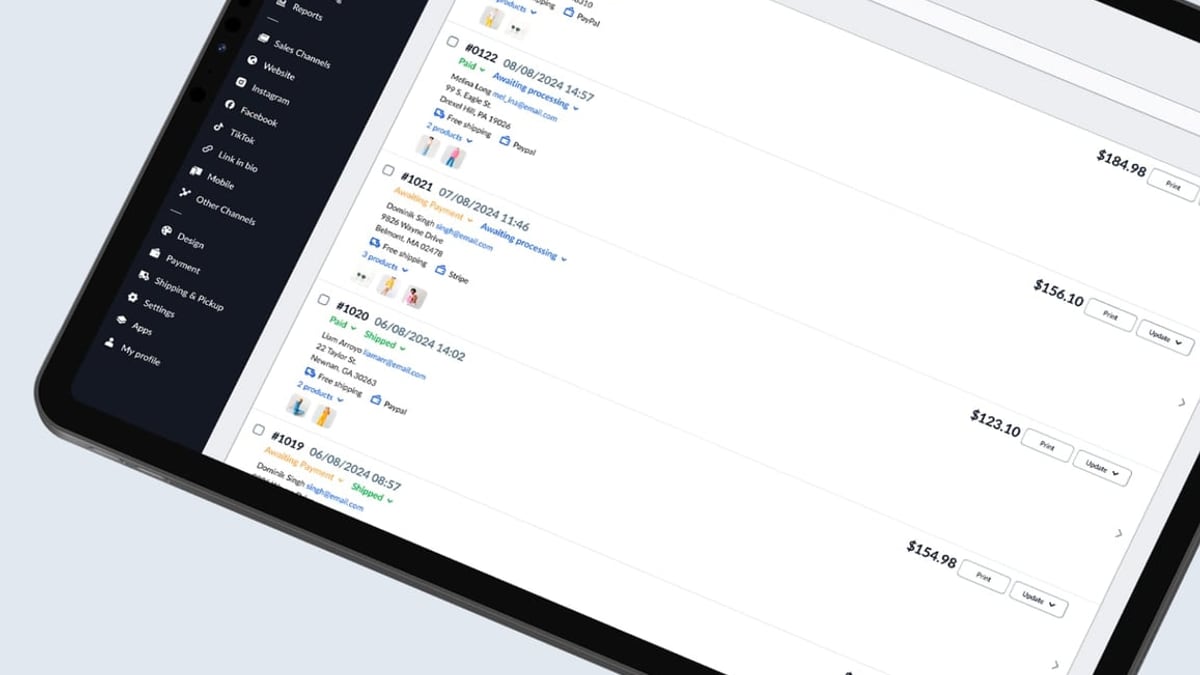
Top 10 E-Commerce Platforms 2026: Tested & Ranked product interface and feature overview.
Squarespace’s templates remain the industry gold standard for aesthetic pages, earning a 4.23/5 overall. It now supports subscriptions and digital products, making it viable for photographers, writers, and designers who also sell services. The Commerce plans carry no transaction fees, and the 14-day free trial lets you test the full feature set.
Real-world fit: An illustrator selling prints and workshops on the same site uses Squarespace’s scheduling and product management to offer digital downloads, limited-edition prints, and 1:1 bookings from a single dashboard.
Watch out: Multichannel selling is absent—no direct integration with Amazon or eBay. Payments are limited to PayPal, Stripe, and Afterpay. If you need marketplace listings, Shopify or Ecwid are more flexible.
5. WooCommerce – Best for WordPress Users and Full Control
WooCommerce continues to power a huge share of online stores because it’s infinitely customizable and runs on WordPress. It scored 3.93/5 overall; the lower score reflects that you’re responsible for hosting, security, and updates. However, when combined with a managed WordPress host like Kinsta or WP Engine, performance and reliability jump sharply. Over 800 extensions allow you to build exactly the checkout, shipping, and tax logic you need.
Real-world fit: A niche cycling parts retailer that already published a popular blog migrated from an all-in-one platform to WooCommerce. Custom product configurators, multi-currency pricing, and a membership portal were built without ongoing subscription fees.
Watch out: You’ll need developer skills or a retainer to keep plugins harmonious. For pure “sell and go,” choose Shopify or Wix.
6. Ecwid – Best for Adding E-Commerce to an Existing Website
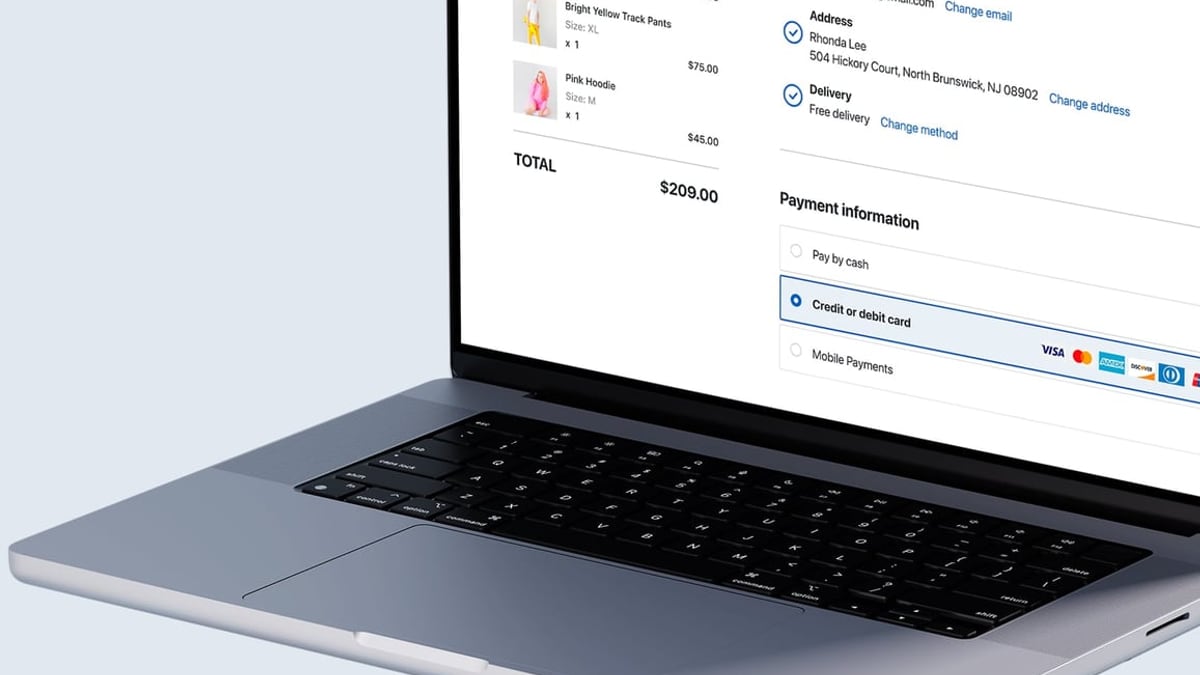
Top 10 E-Commerce Platforms 2026: Tested & Ranked product interface and feature overview.
Ecwid’s simplicity and zero-transaction-fee model make it the go-to for solopreneurs and small teams that already have a site and just want to embed a store. It scored 4.13/5 overall and leads in ease of use (4.63/5). Cart, checkout, and product pages appear anywhere you paste the snippet—WordPress, Wix, Drupal, or a custom HTML site.
Real-world proof: Quincey Cattle generated over $200,000 in revenue within two years using Ecwid’s inventory and shipping tools. Creative Sound Solution expanded internationally by embedding Ecwid into its existing Wix site, without rebuilding the entire customer experience.
Watch out: The embedded store editor is basic compared to standalone builders, and advanced design changes require CSS know-how. For a fully branded standalone storefront, consider Wix or Squarespace.
7. Square Online – Best for Retailers Bridging In-Person and Online Sales
Square Online integrates effortlessly with Square’s POS hardware, making it ideal for cafés, pop-ups, and small retailers that need one inventory pool across channels. It scored 4.31/5 overall and a strong 4.47/5 for ease of use. The free tier gives you a full store with product syncing; advanced reporting and custom discount logic come with the paid plans.
Real-world fit: A local bakery using Square POS added online pre-order and curbside pickup in one afternoon. Orders from the counter and the web deplete the same inventory in real-time, ending manual reconciliation.
Watch out: The design customizer is less flexible than Wix or Squarespace, and third-party integrations are fewer than Shopify’s ecosystem.
8. Shift4Shop – Best for U.S. Merchants Using Shift4 Payments
Shift4Shop (formerly 3dcart) offers a full-featured platform that’s completely free for U.S. merchants who process payments through Shift4. It scored 3.87/5 overall. Built-in features include abandoned cart recovery, gift cards, and SEO-friendly canonical URLs—tools many platforms gate behind premium tiers.
Real-world fit: A mid-sized electronics store switched from Shopify to Shift4Shop to eliminate platform fees while keeping its feature set intact. The migration required some set-up effort but cut monthly costs by over $150.
Watch out: The WYSIWYG editor feels dated, and support quality varies. It’s most rewarding if you prioritize cost savings over UI polish.
9. Big Cartel – Best for Indie Artists and Small-Batch Makers
Big Cartel remains a beloved outlier in 2026 for its minimalism and artist-first philosophy. It’s free for up to five products, with paid plans capping at 500 products and advanced theme customization. No transaction fees ever.
Real-world fit: A ceramicist selling hand-thrown mugs uses the Gold plan to showcase seasonal collections. The simple admin keeps the focus on craft, not configuration.
Watch out: You won’t find inventory forecasting, advanced shipping rules, or marketplace integrations. It’s a standalone storefront for the independent creative, not a growth engine for multiple channels.
10. Adobe Commerce (Magento) – Best for Enterprise & Global B2B
Adobe Commerce (powered by Magento) is the enterprise choice for businesses that need headless architecture, multi-brand B2B/D2C commerce, and AI-driven personalization through Adobe Sensei. It scored 3.93/5 overall; the lower ease-of-use score (4.20) is expected given the developer dependency. Custom workflows, customer-specific catalogs, and multinational tax rules are native, not bolted on.
Real-world fit: A global industrial supplier runs 14 regional storefronts on a single Adobe Commerce instance. Price lists, inventory allocation, and local payment methods are managed from one admin, while Adobe Analytics feeds real-time insights into merchandising decisions.
Watch out: Custom pricing only, and the total cost of ownership (hosting, development, licensing) makes sense only when complex global requirements justify the investment.
How to Choose the Right E-Commerce Platform
Factor in Three Pivotal Questions
- Where do your customers buy? If they’re on Instagram and TikTok, you need strong social commerce integrations. If they’re procurement managers, you need B2B features like quote management and net payment terms.
- What’s your technical bandwidth? A WordPress-savvy team can extract unmatched value from WooCommerce. A one-person operation should prioritize ease of use via Shopify, Wix, or Ecwid.
- Where will you be in 18 months? Platforms that seem affordable now can become expensive if you outgrow their plan caps (BigCommerce sales limits, Shopify transaction fees). Conversely, paying for enterprise features you won’t use drains budget.
The Multi-Account Reality: Staying Safe Across Platforms
Many e-commerce entrepreneurs operate multiple stores—different brands, regional storefronts, or separate seller accounts on marketplaces like Amazon and eBay. Unfortunately, platform algorithms can flag multiple accounts running in the same browser, leading to account suspensions. That’s where a dedicated fingerprint browser becomes a complementary necessity. Tools like AdsPower create isolated browser environments with unique fingerprints, so you can manage several store dashboards, ad accounts, and marketplace listings without triggering account association checks. We’ve covered the setup in our step-by-step guide on how to use AdsPower with Scrapingpass for secure multi-account management, and our anti-detect browser comparison helps you evaluate options. This combination is especially useful for cross-border sellers who need to maintain separate regional storefronts and advertising profiles.
Related reading
- AdsPower vs RoxyBrowser vs Octo Browser: Which Wins in 2025? - Our side-by-side comparison reveals which anti-detect browser delivers the best fingerprint spoofing, automation, team collaboration, and value for multi-account managers in 2025.
- Kameleo Review 2026: Features, Pricing & Alternatives - Kameleo review: realistic look at features, pricing, and automation reliability for multi-accounting and web scraping in 2026.
- Top 10 Social Media Management Platforms 2026: Expert Tested & Compared - Discover the 10 best social media management tools for 2026. Compare Hootsuite, Buffer, Sprout Social, and more on AI, scheduling, pricing, and team features.
Sources and further reading
- Best Products to Sell Online in India 2026: 50 Profitable Ideas - Data-driven list of the most profitable products to sell online in India. Covers trending categories, margin analysis, sourcing strategies, and platform recommendations.
- 10 Best Ecommerce Platforms of 2026 - Discover the top 10 best eCommerce platforms to kickstart your online store. Compare features, pricing and scalability for your business.
Frequently Asked Questions
What is the best e-commerce platform for beginners in 2026?
Shopify and Wix both offer guided setup wizards, 24/7 support, and large template libraries. Shopify’s ecosystem is more commerce-focused, while Wix gives more design freedom. If you already own a site, Ecwid lets you add a store in minutes without rebuilding anything.
Which platform has the lowest total cost?
WooCommerce (self-hosted) can be the cheapest if you use free hosting-eligible plans (though we recommend quality hosting). Big Cartel’s free tier is genuinely free for up to 5 products. Shift4Shop is free when using Shift4 Payments. Among the SaaS giants, Ecwid and Shopify both start at $5/month, but Shopify’s transaction fees can add up unless you use Shopify Payments.
Can I switch e-commerce platforms later?
Yes, but migration complexity varies. Moving standard product data is manageable with CSV import/export or tools like Cart2Cart. Custom URLs, order history, and customer passwords often require redirects and careful planning. Platforms like BigCommerce and Shopify both offer assisted migration, which reduces downtime.
Do I need a separate tool for managing multiple stores?
If you’re running multiple branded sites or marketplace accounts, yes. A fingerprint browser like AdsPower isolates each account’s environment, preventing platforms from linking them. This isn’t part of your e-commerce platform; it’s a security layer for your overall operation.
Conclusion
Each of these ten e-commerce platforms has a distinct strength in 2026: Shopify for scaling omnichannel brands, BigCommerce for native B2B muscle, Wix for design-led SEO, and Ecwid for effortless embeds. The right choice depends on where you sell, how you manage operations, and your appetite for technical complexity. Our recommendation—test two candidates with a free trial, run a real product through checkout, and note how much effort it takes to configure the integrations you’ll actually use. For more comparisons, tool guides, and workflow insights that go beyond the storefront, visit AdsPower.