
TikTok for Business Review: Features, Costs & Real User Insights
Take a Quick Look
Unbiased TikTok for Business review exploring ad formats, targeting, pricing, and real user feedback. Learn its strengths, limitations, and whether it fits your brand.
🔥 Limited-Time Offer! Save extra 10% off on your first monthly plan with code: Anitdetect10
Sign upTikTok for Business Review: An Evidence-Based Look at the Ad Platform
TikTok for Business promises to turn viral moments into measurable sales for a community of over 1 billion monthly active users. It offers lower CPMs than Meta, AI-powered Smart+ campaigns, and a suite of creative tools—but user satisfaction tells a more nuanced story. This review draws on platform capabilities, real advertiser experiences, and pricing signals to help you decide if it belongs in your media mix.
What Is TikTok for Business?
TikTok for Business Review: Features, Costs & Real User Insights product interface and feature overview.
TikTok for Business is the advertising and marketing platform that sits behind the social video app. It serves brands, agencies, and creators with a full-funnel approach: awareness, consideration, conversion, and sales. Core features include native ad formats, advanced audience targeting, AI-driven campaign automation (Smart+), a creative toolkit (Symphony AI, Creative Center, TikTok One), commerce integrations via TikTok Shop, and measurement through attribution and brand lift studies. The platform markets itself as a place where entertainment meets performance, supported by data points like 40.3% incremental reach beyond TV and 99% brand-safe inventory.
Key Ad Formats and Creative Possibilities
TikTok’s ad ecosystem pushes creativity to the forefront. The main formats include:
- In-Feed Ads: Full-screen video ads that appear in users’ For You feeds, supporting direct calls-to-action like website clicks, app installs, or shop now.
- TopView: The first thing users see when they open TikTok—a premium format for massive reach.
- Branded Effects: AR filters, stickers, and lenses that spark user-generated content.
- Spark Ads: Amplify organic posts (including creator collaborations) as paid ads, preserving engagement and authenticity.
- Dynamic Showcase Ads: Personalised product recommendations for e-commerce.
Creative assistance is built in. Symphony AI generates video scripts and avatars, while Creative Center surfaces trending sounds and hashtag insights. TikTok One connects advertisers with vetted creators for branded content—a nod to the platform’s creator-first DNA. If your brand can produce or commission short, native-style video, the creative playground is a genuine strength.
Audience Targeting and Smart+ Automation
The platform supports custom audiences (from website visitors, app events, or customer lists), lookalikes, and interest/behavioral targeting. What sets it apart is Smart+—an AI-driven campaign type that automates creative selection, bidding, and placement across the funnel. TikTok claims a 2.2x higher purchase lift for Smart+ compared to manually managed campaigns. In practice, this can be a blessing for advertisers who lack optimization resources, though it also means handing significant control to an algorithm that can become a black box.
Commerce Integrations and TikTok Shop
For e-commerce brands, TikTok Shop enables in-app checkout, live shopping events, and product catalogs that sync with your store. If you use Shopify, integrating the product catalog is straightforward and can unlock immediate shoppable ads—something we’ve explored in detail in our Shopify review. However, TikTok Shop availability varies by country, and some advertisers report that direct conversion tracking still lags behind what you’d expect from a mature ad platform.
Setting Up Your First Campaign
The setup follows a familiar structure: create a Business Account, install the TikTok Pixel or use Events API for tracking, define a campaign objective (awareness, consideration, conversion), build ad groups with audience and budget, then upload or select creatives. TrustRadius reviewers with hands-on experience describe the interface as easy to use and integrate, with straightforward cost caps and budgeting tools. For agencies managing multiple client accounts, proper profile isolation is essential to avoid cross-contamination—tools like anti-detect browsers matter here, a topic we dissect in our AdsPower vs Octo vs Kameleo comparison.
Pricing Signals: How Much Does TikTok Advertising Cost?
TikTok operates on an auction model—there are no flat-rate price lists. Daily and lifetime budgets, as well as cost caps, give you control, but the actual cost per thousand impressions (CPM) tends to be lower than Meta’s, a recurring theme in user reviews. TrustRadius contributors highlight lower CPMs as a primary advantage, making TikTok a cost-effective channel for scaling reach. The flip side: budget management can be imprecise. Users have reported overspending due to sudden delivery spikes and desire for fixed bids and tighter CPA guardrails. Payment processing issues and difficult billing support surface on Trustpilot as real pain points, with the platform holding a 2.6-star rating across over a hundred reviews.
Strengths and Ideal Use Cases
Based on product design and user feedback, TikTok for Business shines when:
- You’re targeting consumers under 35—the audience skews young, making it ideal for brands in fashion, beauty, fitness, tech gadgets, and entertainment.
- You want incremental reach beyond Meta—many advertisers treat TikTok as a secondary performance channel to diversify customer acquisition.
- Visual storytelling is core to your brand—products that demo well in short video thrive.
- You aim for brand awareness or consider-funnel objectives—TopView and Branded Effects deliver mass exposure.
- You’re a local business using behind-the-scenes content—reviewers report strong engagement without heavy spend.
- You’re recruiting younger talent—employer branding and job ads can perform well organically and with paid support.
Limitations and When TikTok for Business Isn’t a Good Fit
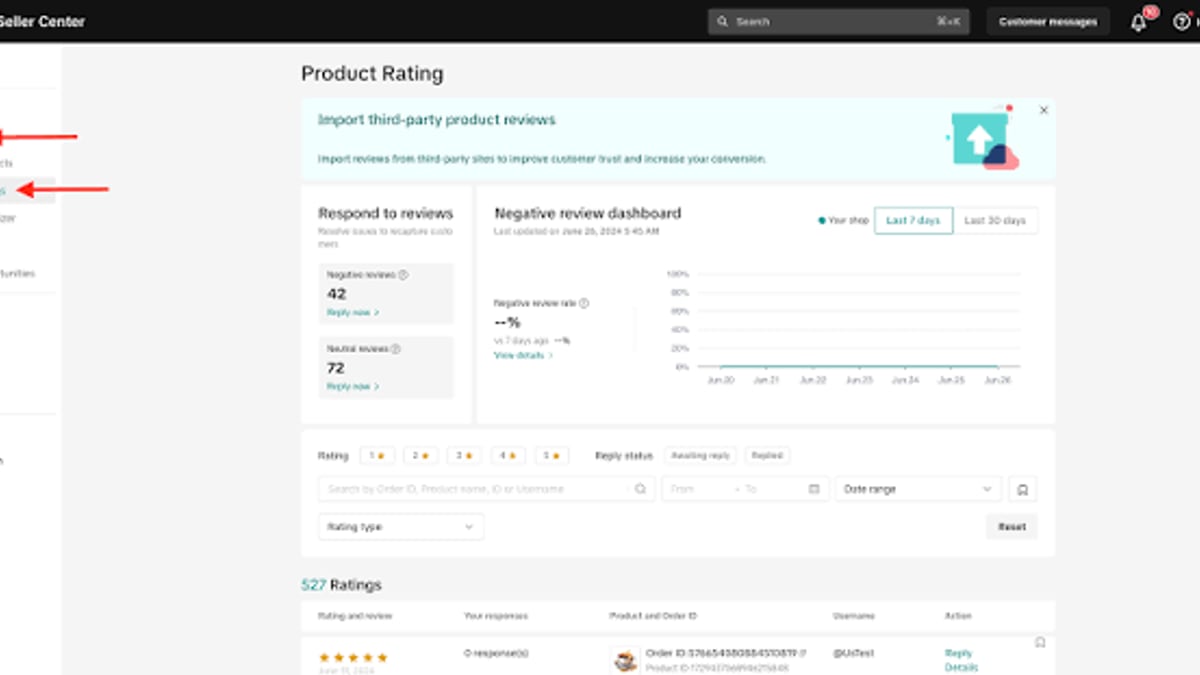
TikTok for Business Review: Features, Costs & Real User Insights - supporting product research image 2.
No platform is universal, and TikTok’s constraints are clear:
- Conversion tracking isn’t bulletproof—multiple advertisers say direct attribution and ROI are harder to pin down versus Meta, partly because of last-click blind spots and platform analytics that feel less rigorous.
- Results are algorithm-dependent—performance can swing unpredictably, and the lack of fixed bids makes cost predictability a recurring complaint.
- TikTok Shop coverage is limited—if your target markets aren’t supported, you lose a key conversion lever.
- B2B and older demographics rarely succeed—the user base and format aren’t built for lead-gen targeting 45+ decision-makers.
- Billing and support frustrations—Trustpilot data underscores frequent complaints about payment failures and slow service responses.
- Creative fatigue is real—you’ll need a steady pipeline of fresh, native-feeling video, often from creators, which adds production overhead.
TikTok for Business vs. Meta Ads: At a Glance
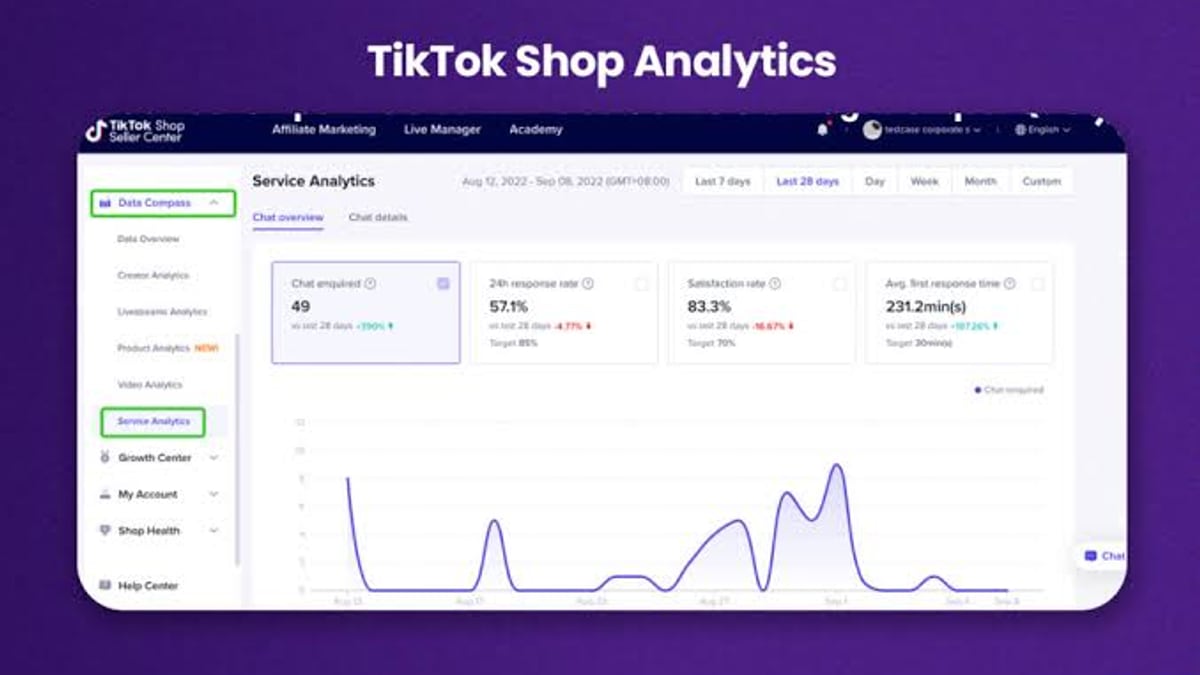
TikTok for Business Review: Features, Costs & Real User Insights - supporting product research image 3.
| Criteria | TikTok for Business | Meta Ads |
|---|---|---|
| Typical CPM | Lower (often cited as a cost advantage) | Higher, especially in competitive verticals |
| Core Audience Age | 16–34, skewing Gen Z and Millennials | Broader, with significant 35+ usage |
| Creative Requirements | Short-form, vertical, trend-driven video | Image, carousel, video, more format variety |
| Conversion Tracking | Improving but less mature; attribution gaps | Mature pixel, CAPI, and reporting |
| Automation Strength | Smart+ one-click full-funnel AI | Advantage+ suite with granular controls |
| Commerce Integration | TikTok Shop and catalog ads (market limited) | Shops and extensive catalog partnerships |
Most successful brands use TikTok as a complement to Meta, not a replacement. The lower CPM can reduce blended acquisition costs, but Meta still often handles bottom-funnel reliability better.
What Real Users Are Saying
Aggregating feedback from public sources paints a mixed picture:
- On TrustRadius, verified users praise the platform for low CPMs, ease of setup, and good reach for conversion campaigns. One e-commerce advertiser called it a “strong secondary channel” that reduces dependence on Meta. Others, including a franchise marketer, noted that local businesses can thrive with unpolished behind-the-scenes content but cautioned that analytics feel less complete and ROI is harder to track.
- Meanwhile, Trustpilot holds a 2.6-star rating. Many negative reviews cite billing disputes, unresponsive support, and sudden ad account restrictions. While every ad platform has such complaints, the volume here suggests potential friction for smaller advertisers without dedicated rep support. You can browse recent comments on the Trustpilot page.
- A Reddit discussion captured the overarching question: Should every business be on TikTok? The consensus leaned toward “it depends”—brands that invest in creator-led video see results, while those repurposing static assets often fail. The thread echoes our review’s core theme: TikTok rewards entertainment-first content.
For a deeper dive into verified review scores and feature sentiment, the TrustRadius product page includes filterable feedback by company size and industry.
Related reading
- Hidemyacc Review: Is This Anti-Detect Browser Worth It? - Evidence-based Hidemyacc review covering features, pricing, real-world fingerprint tests, pros & cons, and alternatives. Find out if it's right for your multi-accounting needs.
- Top 10 Online Privacy & Security Suites 2026 - Compare the 10 best online privacy and security suites of 2026, from Bitdefender to Whoer. Expert reviews, lab scores, and unique privacy tools to protect your data.
- Set Up AdsPower with SSL Proxies for Multi-Account Security - Step-by-step guide to integrate SSL Proxies' free HTTPS proxy list into AdsPower anti-detect browser. Isolate fingerprints, swap IPs, and secure multi-account workflows.
FAQ
Do I need a massive budget to test TikTok ads?
No. You can start with small daily budgets (e.g., $20–$50). The platform’s lower CPMs mean you’ll still get meaningful reach, though conversion performance often requires enough data to exit the learning phase.
Can TikTok for Business work in B2B?
Rarely. The demographic skews young and consumer-oriented. Most B2B marketers see better ROI on LinkedIn or even Meta’s B2B targeting.
How reliable is TikTok’s conversion tracking?
Mixed. The pixel and Events API function, but several users report discrepancies and difficulty tying view-through conversions to actual sales. Regularly cross-check with your own analytics.
Is TikTok Shop mandatory for e-commerce ads?
No. You can run product catalog ads without TikTok Shop, but in-app checkout typically improves conversion rates where it’s available.
What’s the biggest mistake new advertisers make?
Repurposing TV spots or highly polished corporate videos. TikTok’s algorithm favours authentic, native-looking content—often from creators—over polished ads.
Final Verdict: Who Should Use TikTok for Business?
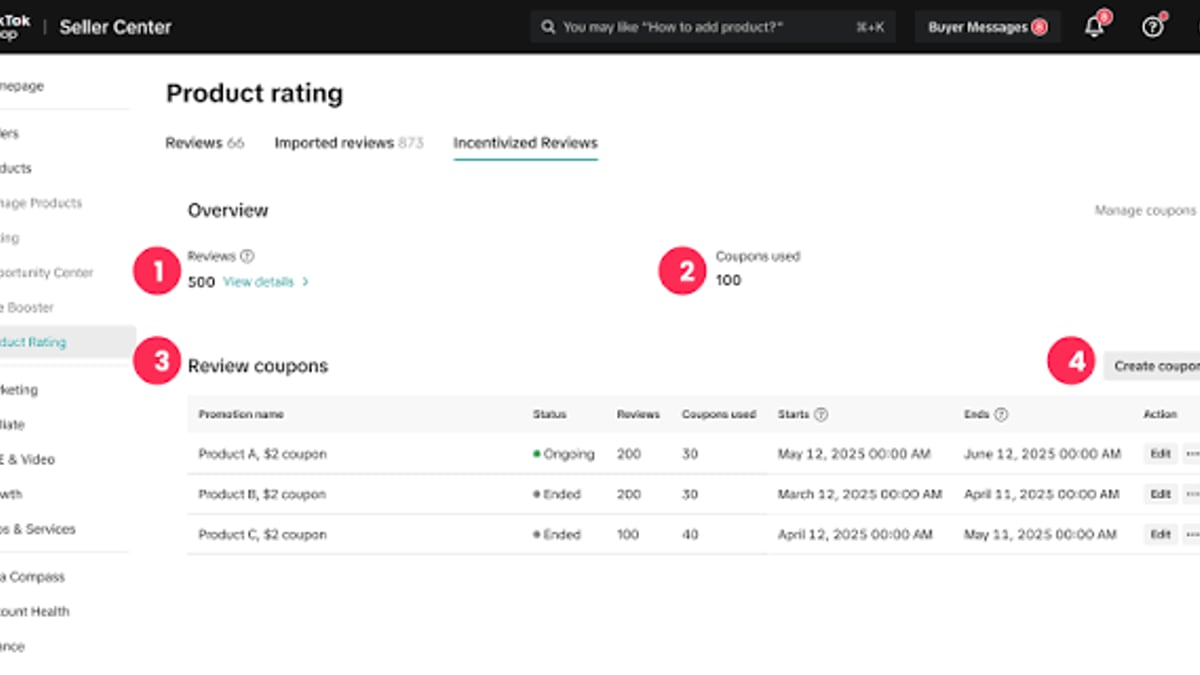
TikTok for Business Review: Features, Costs & Real User Insights - supporting product research image 4.
TikTok for Business is a high-potential yet imperfect advertising channel. It delivers genuine advantages—lower CPMs, an engaged young audience, and AI tools that simplify campaign management—but carries real weight in creative demands and measurement fuzziness. If your brand can sustain a stream of authentic video creative and you view it as a diversification play alongside Meta, the platform can sharpen your acquisition costs and reach new pockets of attention. If your customer base trends older, your product doesn’t demo well on video, or you need bulletproof attribution, you’re likely better off investing elsewhere.
At AdsPower, we’ve seen that the businesses most satisfied with TikTok treat it as part of a broader channel mix, leveraging its strengths for awareness and consideration while counting on more mature platforms for direct conversion. Start with a budget you’re willing to experiment with, lean into creator partnerships, and keep a close eye on your own first-party data—not just TikTok’s dashboard.