
Top 10 Ecommerce Platforms for 2026 (Expert Tested & Compared)
Take a Quick Look
Compare the 10 best ecommerce platforms in 2026 with in-depth reviews, pricing, and use-case guidance. Find the right fit for your online store.
🔥 Limited-Time Offer! Save extra 10% off on your first monthly plan with code: Anitdetect10
Sign upTop 10 Ecommerce Platforms for 2026 (Expert-Tested & Compared)
The commerce landscape is moving faster than ever. AI‑powered storefronts, headless architectures, and borderless selling are no longer experimental—they’re table stakes. At AdsPower, we’ve tested and compared the most prominent platforms of 2026 against real business needs, from the side‑hustle maker to the global brand.
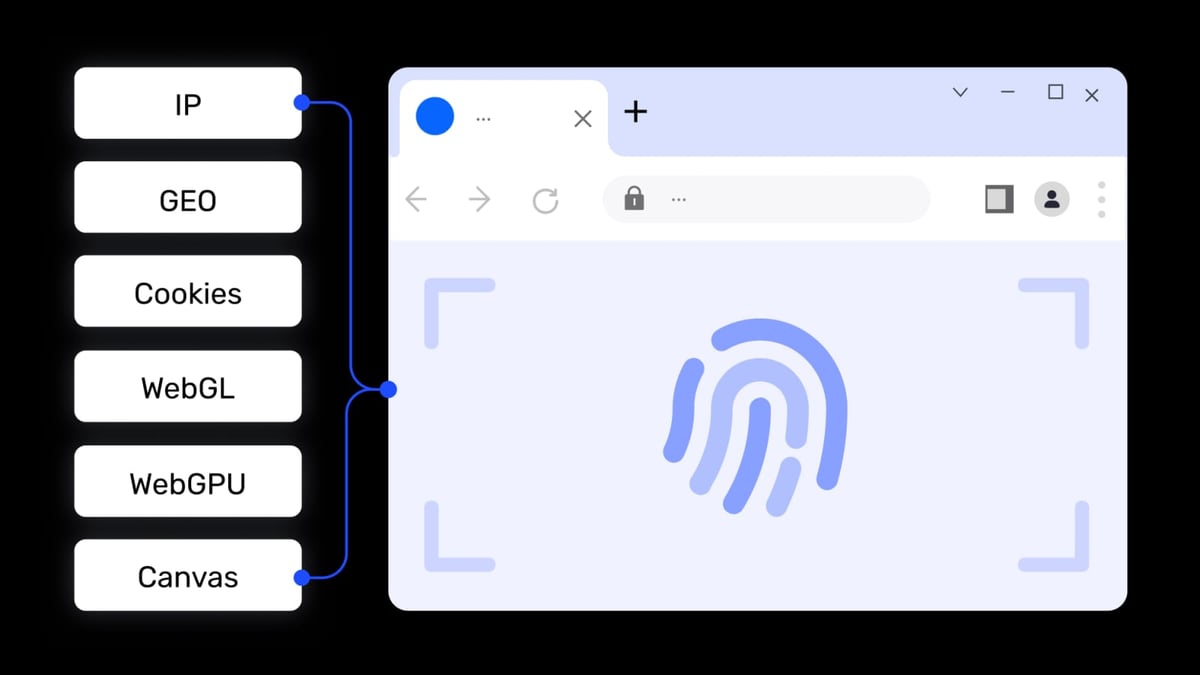
We don’t rank the AdsPower fingerprint browser in this list because it isn’t an ecommerce platform—it’s a multi‑account isolation tool indispensable for sellers who operate several storefronts across marketplaces like Amazon, eBay, and Shopify. (We will note, however, where anti‑detect technology fits into a modern seller’s workflow.)
Here are the 10 best ecommerce platforms that genuinely deserve your attention this year.
How We Evaluated These Platforms
Top 10 Ecommerce Platforms for 2026 (Expert Tested & Compared) product interface and feature overview.
Every recommendation balances five factors:
- Ease of setup & onboarding – Can a newcomer launch a store without developers?
- Design flexibility – Templates, drag‑and‑drop, code access, and AI‑assisted design.
- Built‑in selling tools – Inventory, payments, shipping, tax, and abandoned‑cart recovery.
- Multichannel reach – Social media, marketplaces, POS, and Shop‑app integrations.
- Scalability & total cost of ownership – Does the platform grow with you, or force a migration?
Wherever pricing is quoted, we verified it against official sites and independent reviews, such as TechnologyAdvice’s 2026 testing and the Wix eCommerce guide.
1. Shopify – Best Overall for Flexibility and Ecosystem
Top 10 Ecommerce Platforms for 2026 (Expert Tested & Compared) product interface and feature overview.
Shopify stays the engine behind millions of stores—from Glossier to local artisans—because it strikes a near‑perfect balance between simplicity and depth. The 2026 version doubles down on AI with Agentic Storefronts, which can dynamically rearrange product collections based on shopper intent, and the Shop app, which connects over 250 million buyers directly to your brand.
Key differentiators
- 200+ themes, plus AI design tools that generate a fully‑branded storefront from a few prompts.
- POS, international selling (Shopify Markets), and native integration with Facebook, Instagram, TikTok, and Google Shopping.
- 6,000+ apps in the App Store, though many add recurring costs.
- Pricing: Basic $29/month (often $1 for the first 3 months). Shopify Plus for high‑volume sellers.
Where AdsPower fits – Sellers who manage several Shopify stores—or sell on multiple platforms alongside Shopify—risk account association flags. A fingerprint browser like AdsPower creates isolated environments so each store looks like a completely separate device, reducing the chance of bans while keeping things efficient.
2. BigCommerce – Best for Scaling Mid‑Sized Brands

Top 10 Ecommerce Platforms for 2026 (Expert Tested & Compared) product interface and feature overview.
BigCommerce is the platform you graduate to, not away from. Its built‑in enterprise features—unlimited staff accounts, robust APIs, and zero transaction fees on any plan—make it a favorite among brands outgrowing simpler builders.
- Advanced sales tools like “Buy Online, Pick Up in Store” (BOPIS) and customer groups for B2B.
- Strong SEO capabilities out of the box, with editable URLs and microdata.
- Multi‑channel: sell on Amazon, eBay, and Walmart without third‑party connectors.
- Pricing: Standard $39/month; Enterprise plans custom‑quoted.
3. Wix eCommerce – Best for Creative Control and Ease
Wix has evolved from a brochure‑site builder into a full commerce suite. Its AI website generator can create a store in minutes, yet the open platform lets developers add custom JavaScript and Velo back‑end code. The 2026 dashboard unifies in‑person POS sales, marketplace listings, and social commerce into a single order manager.
- Hundreds of designer‑made templates, all mobile‑optimized.
- Built‑in abandoned cart recovery, discounts, and product‑review tools.
- Integrated 24/7 customer support with real agents.
- Pricing: eCommerce plans from $29/month.
4. WooCommerce – Best for WordPress Users and Open‑Source Flexibility
WooCommerce remains the go‑to for anyone who wants total ownership of their data and checkout flow. As a free WordPress plugin, it turns any WordPress site into a store, with over 800 extensions covering subscriptions, bookings, and multi‑vendor marketplaces.
- No monthly platform fee; you pay only for hosting, domain, and premium extensions.
- Advanced SEO via WordPress plugins like Yoast or Rank Math.
- Scalable? Yes, but you’ll need a developer to tune performance as traffic grows.
- Cost: Variable; a typical starter stack (hosting + theme + a few extensions) runs $15–$50/month.
5. Squarespace Commerce – Best for Design‑Forward Brands
If your brand lives on aesthetics—fashion, home décor, photography—Squarespace’s award‑winning templates make products look irresistible. The 2026 Commerce plans drop transaction fees entirely, and the newly added product‑video backgrounds give an immersive feel.
- Intuitive drag‑and‑drop, though less flexible for complex catalogs.
- Integrated email campaigns and blogging for content‑driven SEO.
- In‑person payments via Square (Squarespace app).
- Pricing: Commerce plans start at $25/month.
6. Magento (Adobe Commerce) – Best for Enterprise‑Scale Customization
Now fully integrated into the Adobe ecosystem, Magento powers the most complex ecommerce operations. It supports multi‑store, multi‑language, and multi‑currency setups natively, and its API‑first architecture means you can customise every pixel.
- Advanced product, order, and warehouse management out of the box.
- Tight integrations with Adobe Experience Cloud for personalization.
- Pricing: Open‑source (free, self‑hosted) or Adobe Commerce (license fee + hosting). Enterprise deployments often run into five figures annually.
7. Shift4Shop – Best Free End‑to‑End Platform for US Merchants
Formerly 3dcart, Shift4Shop offers a genuine free plan when you use Shift4’s payment processing. It’s packed with features most platforms charge for: real‑time shipping, 100+ templates, gift cards, and even a built‑in blog.
- No transaction fees beyond the payment gateway rate.
- Abandoned cart recovery, subscriptions, and loyalty programs included.
- Pricing: Free with Shift4 Payments; paid plans from $29/month if using another processor.
8. Ecwid – Best for Adding Ecommerce to an Existing Site
Ecwid isn’t a standalone site builder—it’s a widget that embeds a store into any existing website (WordPress, Wix, Squarespace, etc.). Its strength is speed: you can go from install to selling in under an hour.
- Free starter plan with up to 5 products.
- Social selling integration for Facebook and Instagram.
- Multi‑language support and automatic tax calculation.
- Pricing: Free; Venture $19/month; Business $39/month.
9. Centra – Best for Headless, Direct‑to‑Consumer Digital‑First Brands
Centra is purpose‑built for fashion, lifestyle, and beauty brands that need a headless storefront with global scalability. Its API‑first design and strong wholesale‑channel support make it a top pick for D2C companies selling both online and to retail partners.
- Built‑in showroom and buyer‑facing B2B portal.
- Multi‑currency, multi‑warehouse, and localization tools.
- Pricing: Custom‑quoted; oriented toward mid‑market and enterprise.
10. Big Cartel – Best for Artists, Makers, and Micro‑Stores
Big Cartel keeps things deliberately simple. The free tier handles 5 products without ads, making it ideal for independent artists, print‑on‑demand creators, and small craft businesses.
- Clean, minimal themes that load fast.
- Real‑time sales stats and discount codes even on free plans.
- No marketplace integrations—it’s a standalone shopfront.
- Pricing: Free (5 products); Platinum $19.99/month (500 products).
How to Choose the Right Ecommerce Platform in 2026

Top 10 Ecommerce Platforms for 2026 (Expert Tested & Compared) product interface and feature overview.
| Your Situation | Recommended Platform | Starting Price | Standout Feature |
|---|---|---|---|
| I want an all‑in‑one solution with strong AI | Shopify | $29/mo | Agentic Storefronts + Shop app |
| I need enterprise features without custom builds | BigCommerce | $39/mo | No transaction fees, BOPIS |
| I value design freedom and easy blogging | Wix eCommerce | $29/mo | AI builder + drag‑and‑drop |
| My site already runs on WordPress | WooCommerce | Free + hosting | Full ownership, huge extension library |
| Brand aesthetics are everything | Squarespace Commerce | $25/mo | Award‑winning templates, zero transaction fees |
| I manage a complex, multi‑brand enterprise | Magento (Adobe Commerce) | Variable | Unlimited customization, multi‑store |
| I want a free, full‑featured store (US‑based) | Shift4Shop | Free | Free with Shift4 payments |
| I have an existing site and just want to add a shop | Ecwid | Free | Embed anywhere, 5 products free |
| I’m building a headless D2C fashion brand | Centra | Custom | API‑first, global scaling |
| I’m an artist selling a handful of items | Big Cartel | Free | No ads, simple, free 5 products |
Pro Tips for Ecommerce Success in 2026
Automate your research and operations. Tracking competitor pricing, monitoring stock levels, and validating ads at scale are now essentials. Our top 10 browser automation frameworks of 2026 guide shows you how to use tools like Playwright and Selenium without writing a mountain of code.
Secure your multi‑store workflow. Managing several storefronts—whether across Shopify, Amazon, and Etsy, or multiple regional domains—requires isolating each login. Anti‑detect browsers like AdsPower (see our AdsPower vs Hidemyacc vs Indigo comparison) let you run dozens of accounts from a single machine, drastically lowering the risk of platform bans while keeping your team’s access organized.
Test before you commit. Most platforms offer free trials; Shopify often runs a $1‑for‑3‑months deal. Use that time to upload your real products, set up tax rules, and run a test checkout. The moment a platform feels limiting, you’ll know.
Related reading
- How to Use AdsPower with NetNut Proxies: Step-by-Step Setup - Learn to integrate NetNut proxies into AdsPower fingerprint browser for flawless multi-account management and web scraping. Step-by-step guide with tips.
- AdsPower vs Hidemyacc vs Indigo: Anti-Detect Browser Comparison - Compare AdsPower, Hidemyacc, and Indigo antidetect browsers for privacy, automation, and multi-account security. Find which fingerprint browser fits your workflow.
- SSL Proxies Review: Free HTTPS Proxy List for Scraping & Privacy - Real-world review of SSL Proxies free proxy list: fresh HTTPS/SSL proxies updated every 10 minutes. See performance, use cases, and whether it fits your scraping or privacy needs.
Sources and further reading
- Top 10 Best eCommerce Platforms for Online Stores in 2026 - The e-commerce industry continues to evolve quickly in 2026 due to advancements in AI, customization, and mobile-first shopping. Whether you're a small business owner, D2C brand, or large enterprise, choosing the right eCommerce platform is the foundation for creating a scalable, secure, and profitable online store. The best eCommerce platforms simplify everything from product and...
FAQ
Which ecommerce platform is best for a beginner? Wix and Shopify are the most beginner‑friendly. Wix’s AI builder can create a store in minutes; Shopify’s templates and 24/7 support make learning fast.
Can I change my ecommerce platform later? Yes, but migration can be tedious. Platforms like Cart2Cart help, but you’ll still need to recreate designs and check SEO redirects. Picking a scalable platform from the start is wise.
Are free ecommerce platforms really free? Shift4Shop is genuinely free if you use its payment processor. WooCommerce is free software, but you’ll pay for hosting and potentially extensions. Big Cartel offers a full free tier for up to 5 products.
Does the cheapest platform always save money? Not necessarily. Platforms that charge transaction fees on top of payment processing can eat 2–3% of your revenue. Compare total cost: subscription + payment gateway + any essential apps.
How does a fingerprint browser like AdsPower help with ecommerce? It doesn’t sell products, but it protects multi‑store sellers. By creating unique, isolated browser environments, it prevents platforms like Shopify, Amazon, and Facebook from linking multiple stores to the same operator, reducing the chance of mass bans. It’s a complementary tool, not an ecommerce platform.
Conclusion
The “best” ecommerce platform in 2026 is the one that fits your business model, technical appetite, and growth trajectory. Shopify leads the pack for its complete ecosystem and AI innovation, while BigCommerce and Wix offer strong alternatives for scaling brands and creative storefronts respectively. Open‑source champions like WooCommerce and Magento serve those who need complete control, and lightweight tools like Ecwid and Big Cartel fill specific niches beautifully.
No matter which platform you choose, remember that a store’s success hinges as much on the stack around it—automation, account security, analytics—as on the platform itself. Use the comparison above to make an informed decision, and don’t be afraid to pair your platform with the right supporting tools.
Sources: TechnologyAdvice’s 2026 platform testing, Wix eCommerce guide, BigNewsNetwork’s platform overview, and official vendor pages.