
Playwright Pricing: Is It Really Free? A 2026 Cost Breakdown
Take a Quick Look
Understand the true cost of Playwright in 2026. While the framework is free and open-source, discover hidden infrastructure, token, and scaling costs for testing and AI agents.
🔥 Limited-Time Offer! Save extra 10% off on your first monthly plan with code: Anitdetect10
Sign upPlaywright Pricing: Is It Really Free? A 2026 Cost Breakdown
When teams evaluate browser automation frameworks, the first question is often about the budget. Playwright pricing is unique because the answer starts with a simple, powerful truth: the framework itself is completely free. But anyone who has run thousands of tests in CI/CD or deployed AI agents at scale knows that licensing is only one line on the spreadsheet. This article breaks down the real cost of Playwright in 2026, from infrastructure and engineering time to the hidden token consumption of AI-driven tools.
The Zero-Dollar License: What "Free" Actually Means
Playwright Pricing: Is It Really Free? A 2026 Cost Breakdown - The Zero-Dollar License: What "Free" Actually Means.
Playwright is an open-source project under the Apache-2.0 license. There is no enterprise tier, no seat-based pricing, and no paywall locking core features. You can download it directly from Playwright's official site and immediately access the full test runner, auto-waiting mechanisms, trace viewer, and code generator.
This zero-cost licensing covers:
- Cross-browser testing on Chromium, Firefox, and WebKit.
- Parallel execution and sharding for faster CI pipelines.
- Full isolation with browser contexts that act as fresh profiles.
- All official language bindings for JavaScript, Python, .NET, and Java.
For a QA team migrating from a legacy tool with per-runner fees, this alone can save tens of thousands of dollars annually. However, the absence of a price tag does not mean the absence of cost.
The Real Cost Drivers of Playwright in 2026
While Playwright's code is free, running it in production consumes resources. Understanding these drivers helps you forecast a realistic total cost of ownership.
1. Infrastructure and CI/CD Execution
Playwright tests need somewhere to run. Whether you use GitHub Actions, GitLab CI, Jenkins, or a dedicated cloud grid, you are paying for compute. The framework's built-in parallelism is a double-edged sword: it slashes test duration but increases concurrent CPU and memory consumption.
- Self-hosted runners: You pay for the underlying VMs or Kubernetes nodes. A single Playwright worker with a headless Chromium instance can easily consume 500MB to 1GB of RAM.
- Cloud CI minutes: Platforms like GitHub Actions charge per minute. Sharding a suite across 10 parallel jobs multiplies your minute consumption, even though the wall-clock time drops.
- Browser storage: Docker images with Playwright and multiple browser binaries are large. Frequent pulls increase bandwidth and storage costs on container registries.
A practical optimization is to cache browser binaries in a persistent layer and use lightweight base images. The savings here often outweigh any theoretical licensing fee.
2. The Hidden Token Cost of Playwright MCP and AI Agents
A major shift in 2026 is the rise of AI agents that control browsers through Playwright. The Model Context Protocol (MCP) server and the new Playwright CLI give coding agents like Claude Code and GitHub Copilot the ability to navigate pages, fill forms, and extract data.
This introduces a completely new cost vector: LLM tokens. The Playwright MCP server is still $0 to install, but every action an AI agent takes consumes input and output tokens from your LLM provider.
Research from Morphllm shows a stark efficiency gap between the MCP server and the purpose-built CLI:
- Playwright MCP: Approximately 114,000 tokens per task.
- Playwright CLI: Approximately 27,000 tokens per task.
On a model like Claude Sonnet, a single task can cost $0.34 via MCP versus $0.08 via the CLI. For a team running hundreds of AI-driven scraping or testing tasks daily, the monthly token bill can quickly surpass any infrastructure expense. The Playwright team designed the CLI specifically to be token-efficient, using structured accessibility snapshots instead of bulky screenshots or verbose DOM dumps.
3. Engineering Time and Maintenance
Open-source tools shift the support burden to your team. There is no vendor to call when a flaky test pollutes your pipeline at 2 AM. The cost of Playwright includes:
- Test authoring time, though the code generator and VS Code extension significantly reduce this.
- Debugging flaky tests using the trace viewer. While the tooling is excellent, it still requires skilled engineers.
- Keeping dependencies updated to match browser versions. Playwright's release cycle is fast, and lagging behind can cause subtle failures.
For most organizations, this engineering investment is well worth the control and flexibility, but it must be budgeted as a real cost.
Playwright vs. Commercial Alternatives: A Cost Comparison
Playwright Pricing: Is It Really Free? A 2026 Cost Breakdown - Playwright vs. Commercial Alternatives: A Cost Comparison.
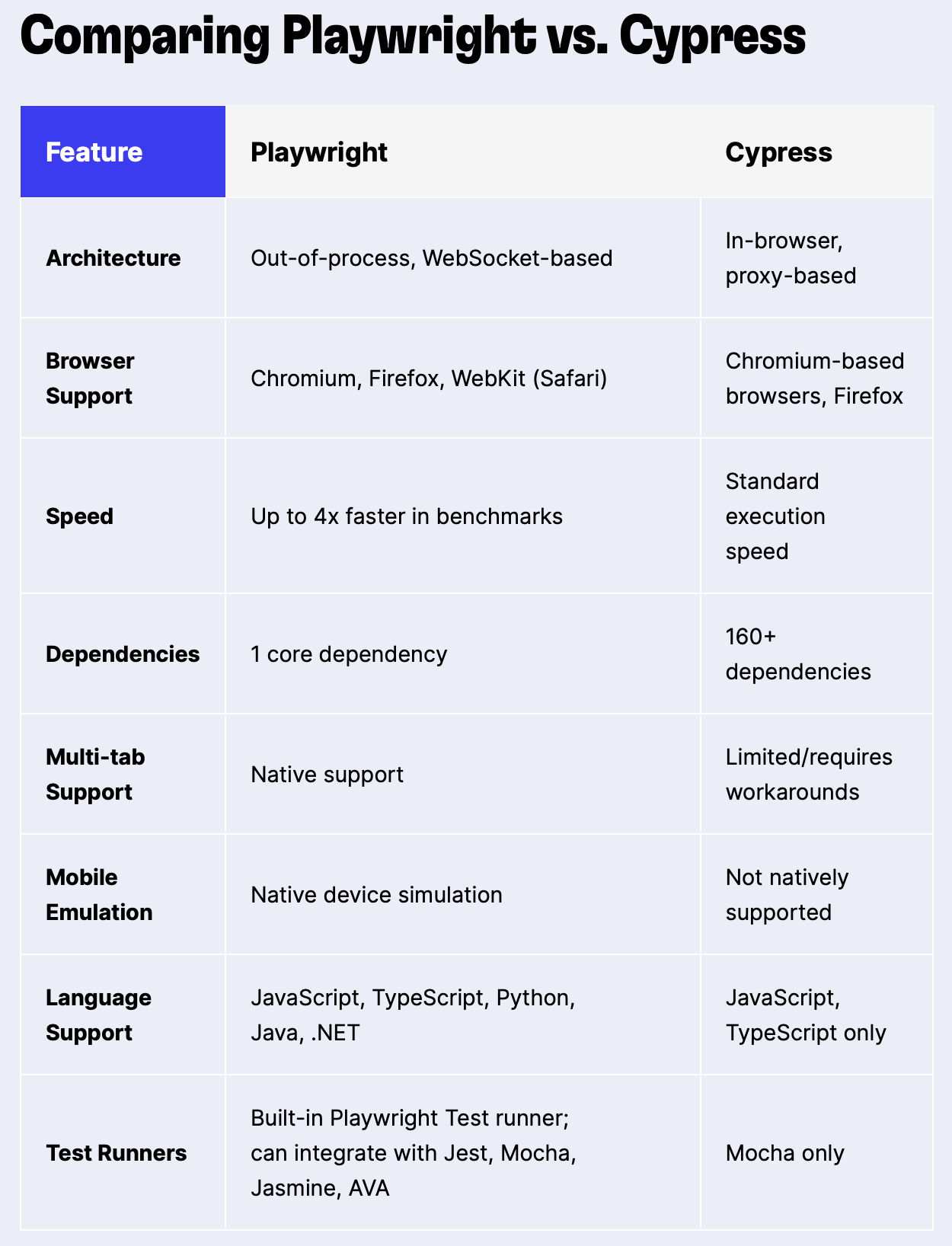
When you compare Playwright pricing to commercial end-to-end testing platforms, the calculus changes based on scale.
| Cost Factor | Playwright | Commercial SaaS Platform |
|---|---|---|
| License | Free (Apache-2.0) | $100–$500+ per month per user |
| Infrastructure | Self-managed; cost depends on CI/CD | Included in platform fee |
| Parallelism | Unlimited (bound only by your hardware) | Often limited by plan tier |
| AI Agent Support | Token cost only (MCP/CLI) | Usually bundled or unavailable |
| Support | Community, GitHub issues | Dedicated support, SLAs |
For a small startup with a handful of tests, Playwright's total cost can be nearly zero if they use free CI tier minutes. For a large enterprise running 10,000 tests per day, the infrastructure and engineering costs become dominant, but they remain a fraction of what a seat-based commercial tool would charge for the same volume.
If your testing needs extend beyond standard browser automation into managing multiple isolated browser profiles for social media or e-commerce, the infrastructure model shifts. Tools like AdsPower provide a different kind of browser isolation focused on fingerprint management rather than test automation, with its own pricing model starting from $9/month for 2 profiles. The two tools solve different problems, but both illustrate how "free software" always sits on top of a paid resource layer.
Optimizing Your Playwright Budget
Playwright Pricing: Is It Really Free? A 2026 Cost Breakdown - Optimizing Your Playwright Budget.
To keep Playwright's total cost low, focus on three areas:
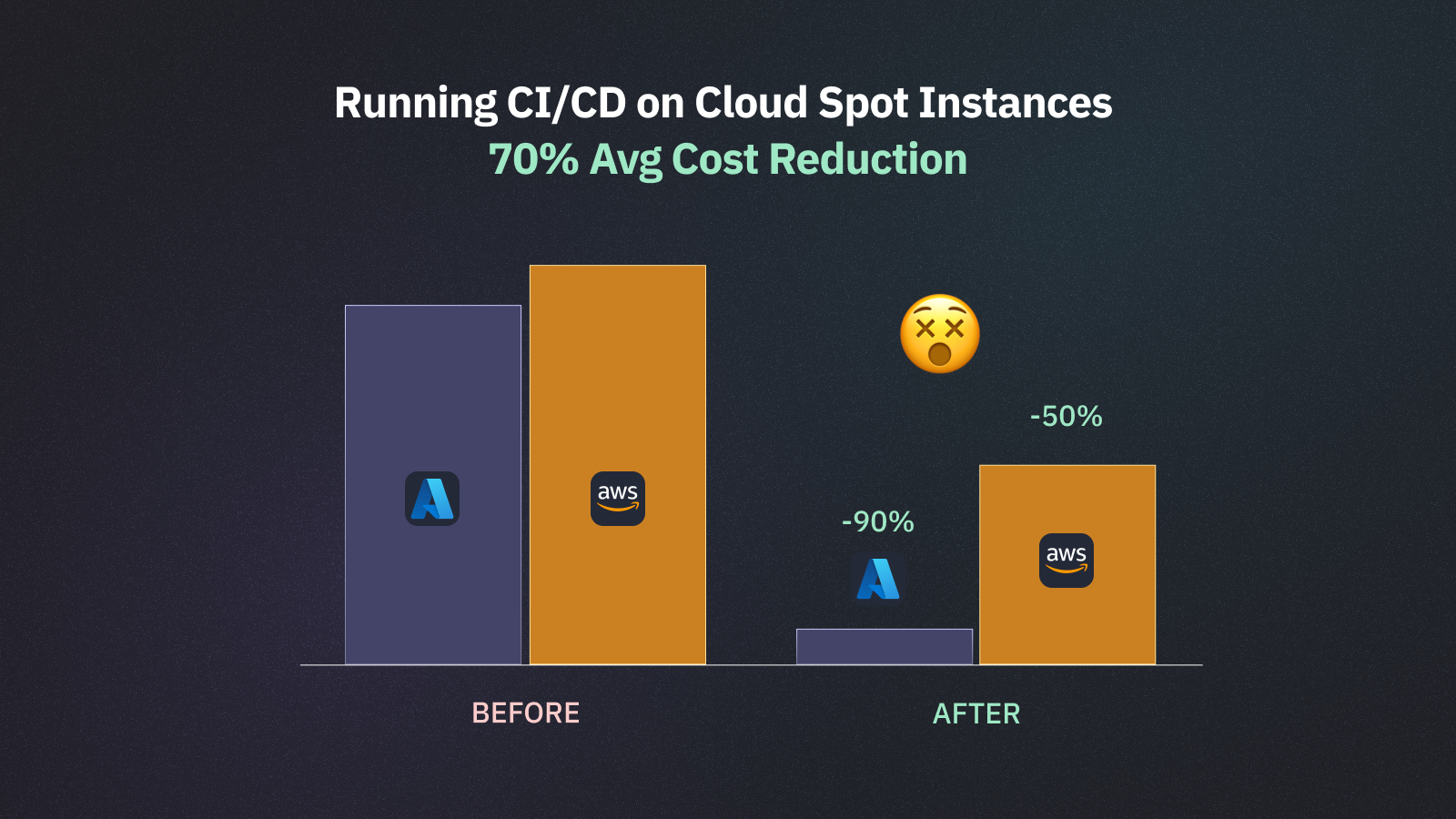
- Right-size your CI runners. Use machines with enough memory to handle your desired parallelism without swapping. Spot instances or preemptible VMs can cut infrastructure costs by 60-70%.
- Choose the right AI interface. If you are building AI agents, prefer the Playwright CLI over the MCP server for routine tasks. The 4x token reduction directly translates to a lower LLM bill. Reserve MCP for cases where you need the full interactive debugging dashboard.
- Leverage the free tooling. The VS Code extension, trace viewer, and test generator are not just conveniences; they reduce the engineering hours required to create and maintain reliable tests. Time saved is money saved.
Related reading
- Top 10 Anti-Detect Browsers for Multi-Account Management in 2026 - Discover the 10 best anti-detect browsers for multi-account management in 2026. Compare features, pricing, and security to find the right tool for your needs.
- How to Use AdsPower with ScrapingBee for Ban‑Free Web Scraping - Combine AdsPower's anti-detect browser profiles with ScrapingBee's headless scraping API to bypass advanced anti-bot systems and extract data reliably at scale.
- AdsPower vs Undetectable vs Indigo: Which Antidetect Browser Should You Choose? - Compare antidetect browsers AdsPower, Undetectable, and Indigo: fingerprints, automation, pricing, and use cases. Choose the best solution for multi-accounting and traffic arbitrage.
Sources and further reading
- Playwright costs : r/softwaretesting - Playwright by itself it's opensource and free. Playwright itself is completely free and open-source, so there's no direct licensing cost.
- Playwright MCP (2026): $0 Pricing, All 23 Core Tools, and ... - Playwright MCP costs $0 (Apache-2.0). The real cost is LLM tokens: ~114K per task vs 27K with the CLI, about $0.34 vs $0.08 on Claude Sonnet. All 23 tools, ...Read more
Frequently Asked Questions
Is Playwright completely free for commercial use?
Yes. Playwright is released under the Apache-2.0 license, which permits unrestricted commercial use, modification, and distribution without any licensing fees.
What is the cost of Playwright MCP?
The Playwright MCP server is free and open-source. The only cost is the LLM token consumption from the AI agent you connect it to, which can be significant at scale.
Does Playwright charge for parallel testing?
No. Playwright imposes no artificial limits on parallel workers or shards. Your only constraint is the hardware or CI infrastructure you provide.
How does Playwright pricing compare to Selenium?
Both Selenium and Playwright are free and open-source. The cost comparison is not about licensing but about engineering efficiency. Playwright's auto-waiting, built-in assertions, and trace viewer often reduce the time spent writing and debugging tests compared to Selenium.
Are there any paid Playwright services?
The Playwright team does not sell a paid version. However, several third-party services offer hosted Playwright grids, dashboards, and support plans. These are optional and not required to use the framework.
Conclusion
Playwright pricing is straightforward at the surface: you will never receive an invoice from the Playwright project. The real financial picture includes the cloud resources your tests consume, the tokens your AI agents burn, and the engineering hours your team invests. For most teams, this open-source model delivers exceptional value, especially when compared to the per-user fees of legacy testing platforms. The key is to treat Playwright not as a zero-cost magic wand, but as a high-performance engine that you fuel with smart infrastructure choices and efficient AI integration. By optimizing your CI pipeline and choosing the token-efficient CLI for AI workloads, you can keep the total cost of ownership remarkably low while scaling your automation to any size.