
Cryptocurrency Prices Today: Live Charts, Market Data & Tracking
Take a Quick Look
Track live cryptocurrency prices, market cap, volume, and trends for Bitcoin, Ethereum, Solana, and altcoins. Learn how to read crypto price data and track multiple assets efficiently.
🔥 Limited-Time Offer! Save extra 10% off on your first monthly plan with code: Anitdetect10
Sign upCryptocurrency Prices Today: How to Track Live Market Data and Make Smarter Decisions
Cryptocurrency prices move around the clock, and keeping up with Bitcoin, Ethereum, Solana, and thousands of altcoins can feel overwhelming. Whether you are a day trader, a long-term investor, or someone managing multiple exchange accounts, understanding how crypto price data works is the first step toward making informed decisions.
This guide breaks down how cryptocurrency prices are determined, where to find reliable live data, which metrics actually matter, and how to track multiple assets without losing your sanity.
What Drives Cryptocurrency Prices?
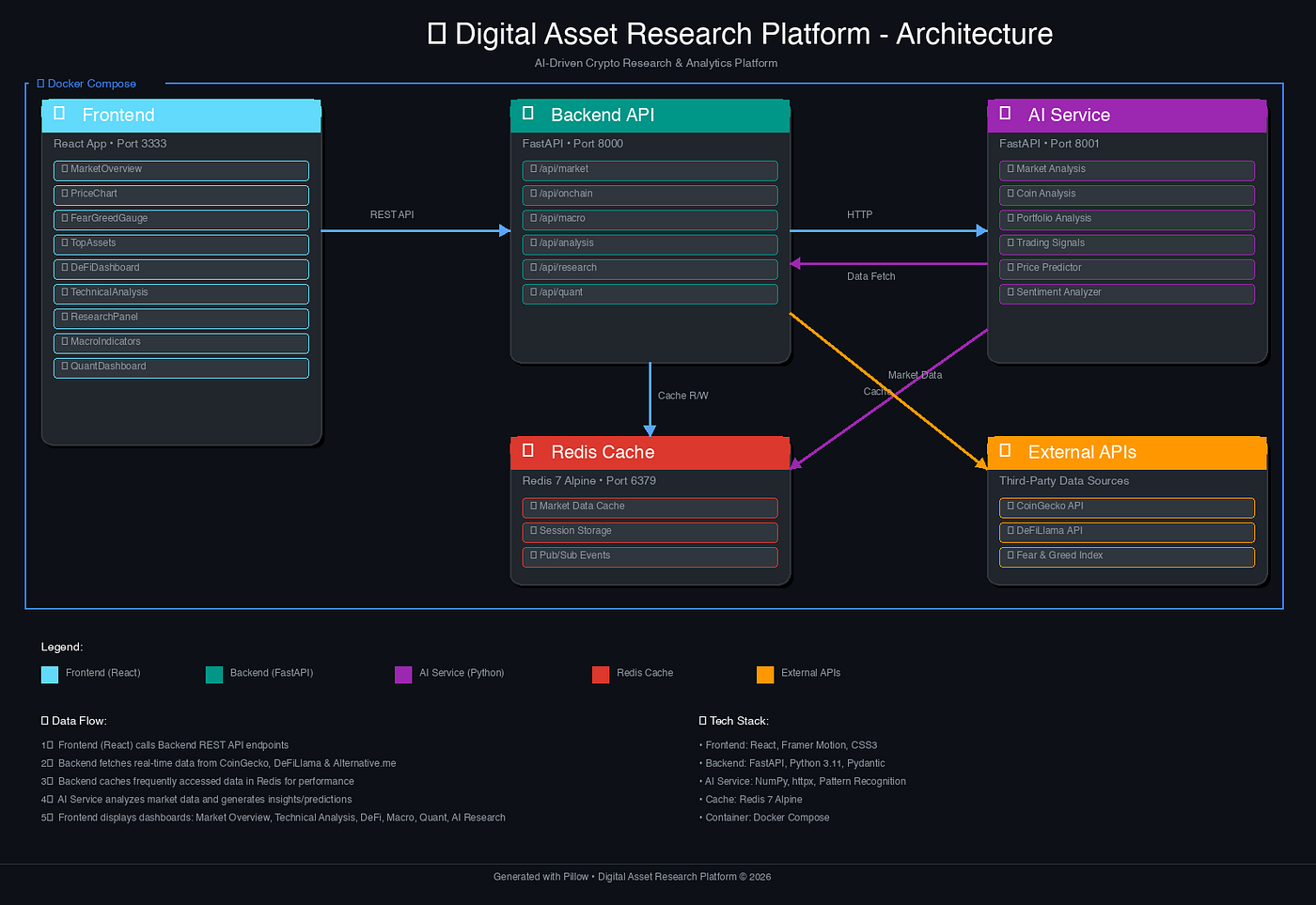
Cryptocurrency Prices Today: Live Charts, Market Data & Tracking - What Drives Cryptocurrency Prices?.
Unlike stocks, crypto prices are not tied to quarterly earnings reports or central bank interest rate decisions in a direct way. Instead, they emerge from a mix of market forces that operate 24/7 across global exchanges.
Supply and Demand
The most fundamental driver is simple: when more people buy than sell, the price rises. When selling pressure dominates, the price falls. Bitcoin's fixed supply of 21 million coins creates built-in scarcity, while many altcoins have inflationary token models that dilute value over time.
Market Sentiment and News
Crypto markets react quickly to headlines. Regulatory announcements, exchange hacks, ETF approvals, and macroeconomic shifts can move prices by double-digit percentages within hours. The Fear & Greed Index, which aggregates volatility, volume, social media activity, and other signals, is a popular way to gauge overall market mood.
Liquidity and Exchange Differences
Prices can vary slightly between exchanges because each platform has its own order book and liquidity depth. Arbitrage traders exploit these differences, but for most users, the gap is small enough that a price aggregator provides an accurate reference point.
Network Activity and Adoption
On-chain metrics such as active addresses, transaction volume, and developer activity influence long-term valuations. A network with growing usage tends to attract more investment, while declining activity often precedes price weakness.
Key Metrics to Understand When Reading Crypto Prices

Cryptocurrency Prices Today: Live Charts, Market Data & Tracking - Key Metrics to Understand When Reading Crypto Prices.
A raw price number tells you very little without context. Here are the metrics that matter most when evaluating any cryptocurrency.
Market Capitalization
Market cap is calculated by multiplying the current price by the circulating supply. It gives you a sense of a coin's overall size and relative dominance. Bitcoin and Ethereum consistently lead the market, while smaller altcoins carry higher risk and volatility.
24-Hour Trading Volume
Volume shows how much value changed hands over the last day. High volume generally means strong interest and easier entry and exit. Low volume can signal weak conviction or potential price manipulation.
Circulating vs. Total Supply
Circulating supply counts coins currently available in the market. Total supply includes locked or not-yet-released tokens. A large gap between the two can indicate future selling pressure as locked tokens unlock.
Price Change Percentages
Most trackers show price movement over 1 hour, 24 hours, 7 days, and longer periods. Short-term percentages help traders time entries, while longer windows reveal broader trends.
Where to Find Reliable Cryptocurrency Prices

Cryptocurrency Prices Today: Live Charts, Market Data & Tracking - Where to Find Reliable Cryptocurrency Prices.
Several platforms provide free, real-time crypto price data. Each has strengths depending on what you need.
CoinMarketCap
CoinMarketCap is one of the most widely used price aggregators. It lists thousands of cryptocurrencies by market cap, volume, and price change, and includes historical data, charts, and market indices like the CMC20. It also offers AI-powered insights that summarize what is driving price movements.
Crypto.com Price Pages
Crypto.com provides live prices, charts, and market data for over 400 coins. Its interface is clean and mobile-friendly, making it a solid option for quick checks on Bitcoin, Ethereum, XRP, Solana, and other major assets.
Gemini Prices
Gemini offers current prices for Bitcoin, Solana, and other supported assets, along with trending tokens and top gainers. Because it is a regulated US exchange, the listed prices reflect actual trading pairs available on the platform.
How to Track Multiple Cryptocurrencies Efficiently
Cryptocurrency Prices Today: Live Charts, Market Data & Tracking - How to Track Multiple Cryptocurrencies Efficiently.
If you monitor more than a handful of coins, switching between browser tabs becomes tedious. A structured approach saves time and reduces errors.
Use a Watchlist
Most price aggregators let you create a watchlist of assets you care about. This gives you a single dashboard with price, volume, and percentage changes for your selected coins without scrolling through thousands of listings.
Set Price Alerts
Price alerts notify you when an asset crosses a threshold you define. This is useful for both entry points and stop-loss levels. Many exchanges and tracking apps support push notifications or email alerts.
Separate Workflows for Different Accounts
If you manage multiple exchange accounts, wallets, or trading profiles, keeping each one isolated is essential. Cross-account contamination can trigger security flags, especially on platforms that monitor device fingerprints and IP addresses. Tools like AdsPower create isolated browser profiles with unique digital fingerprints, so you can monitor prices, log into exchanges, and run trading workflows without linking accounts to the same device identity. This is particularly valuable for users who operate accounts across different regions or manage client portfolios.
For a deeper look at how isolated profiles work in practice, see the guide on how to use AdsPower with SSL proxies for stable multi-account workflows.
Common Mistakes When Tracking Crypto Prices
Even experienced users fall into predictable traps. Here are the most common ones and how to avoid them.
Reacting to Short-Term Noise
Hourly price swings are rarely meaningful. A 5% drop in an hour can recover just as quickly. Focus on daily and weekly trends unless you are actively day trading with a defined strategy.
Ignoring Volume
A price spike on low volume is often unsustainable. Always check whether a move is backed by real trading activity before acting on it.
Comparing Prices Across Exchanges Without Context
Different exchanges have different liquidity and trading pairs. A coin listed on a small exchange may show a misleadingly high price due to thin order books. Use aggregated data from major trackers for a more accurate picture.
Overlooking Fees and Slippage
The displayed price is not always the price you get. Exchange fees, network fees, and slippage on large orders can significantly affect your actual cost basis.
Cryptocurrency Price Tracking for Multi-Account Users
Traders and agencies that manage multiple exchange accounts face a unique challenge: staying organized without triggering security systems. Many exchanges flag accounts that appear to be operated from the same device or IP address, which can lead to temporary locks or permanent bans.
A practical solution is to separate each account into its own browser environment. AdsPower is an anti-detect browser that creates isolated profiles with unique fingerprints, including Canvas, WebGL, and user agent parameters. This prevents platforms from linking your accounts through browser characteristics. Combined with proxy support, each profile can also appear to operate from a different IP address.
If you are comparing anti-detect browsers for this purpose, the AdsPower vs Multilogin vs BitBrowser comparison breaks down fingerprinting, automation, pricing, and team features side by side.
Related reading
- 2Captcha Review 2026: Pricing, Accuracy, and API Deep Dive - In-depth 2Captcha review covering pricing, accuracy, API setup, supported captcha types, and whether it's worth using for developers and workers in 2026.
- Playwright CAPTCHA: Bypass, Solve, and Test in 2026 - Learn how Playwright handles CAPTCHA in 2026, which solver libraries work, why bypassing fails, and the safer testing and automation alternatives.
Frequently Asked Questions
What is the best site to check cryptocurrency prices?
CoinMarketCap, Crypto.com, and Gemini are all reliable options. CoinMarketCap offers the broadest coverage with thousands of coins and historical data. Crypto.com and Gemini provide clean interfaces with data tied to real trading pairs on their platforms.
Why do cryptocurrency prices differ between exchanges?
Each exchange maintains its own order book, and liquidity varies by platform. Small differences are normal and often exploited by arbitrage traders. Large differences usually indicate low liquidity or withdrawal restrictions on a particular exchange.
How often do cryptocurrency prices update?
Most major trackers update prices in real time or near real time, typically every few seconds. The underlying data comes from exchange APIs that stream order book and trade information continuously.
What is the difference between price and market cap?
Price is the cost of one unit of a cryptocurrency. Market cap multiplies that price by the circulating supply to show the total value of the network. A coin with a low price can still have a large market cap if its supply is high.
Can I track crypto prices without an account?
Yes. CoinMarketCap, Crypto.com price pages, and Gemini prices all allow you to view live prices without creating an account. Creating a free account typically unlocks watchlists, alerts, and portfolio tracking.
How do I avoid getting flagged when managing multiple exchange accounts?
Use isolated browser profiles with unique fingerprints and separate IP addresses for each account. Anti-detect browsers like AdsPower are designed specifically for this use case, and support proxy integration for IP masking.
Conclusion
Cryptocurrency prices are more than just numbers on a screen. They reflect a complex mix of supply, demand, sentiment, liquidity, and network activity. By understanding the metrics behind the numbers and using reliable data sources, you can make better decisions whether you are trading actively or holding for the long term.
For users managing multiple accounts, the right tooling matters as much as the data itself. Isolated browser environments help you track prices, execute trades, and manage portfolios without risking account bans. Start with a solid price tracking routine, add alerts for the assets you care about, and keep your workflows separated when operating at scale.